Paris Cybersecurity Firms Plot Bold New Defences: What's Coming Next
From AI-powered threat detection to quantum-resistant encryption, the capital's digital safety innovators are racing to stay ahead of evolving cyber threats.
From AI-powered threat detection to quantum-resistant encryption, the capital's digital safety innovators are racing to stay ahead of evolving cyber threats.
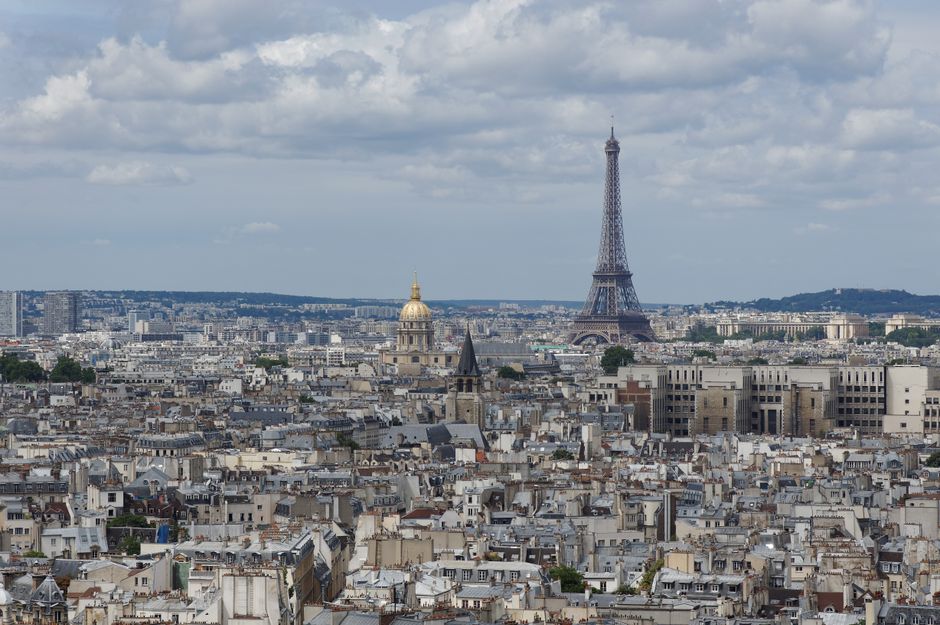
Paris's thriving cybersecurity sector is gearing up for a major technological shift, with startups and established firms across the 11th and 12th arrondissements unveiling ambitious product roadmaps designed to combat increasingly sophisticated digital threats.
The trajectory is clear: artificial intelligence will dominate the next generation of defensive tools. Over the coming 18 months, expect to see a wave of machine learning-powered platforms capable of detecting anomalous network behaviour in real-time, moving beyond the signature-based systems that currently dominate enterprise protection. Several firms headquartered near République and Bastille are investing heavily in autonomous threat response—software that doesn't just alert security teams but actively neutralizes attacks before human intervention becomes necessary.
Quantum-resistant encryption represents another critical frontier. As quantum computing edges closer to practical deployment, cybersecurity leaders recognise that today's encryption standards face existential risk. French firms, buoyed by €180 million in government cybersecurity funding announced last year, are developing post-quantum cryptographic protocols. These aren't consumer products yet, but enterprise pilots are scheduled to launch by early 2027, particularly among financial institutions operating from La Défense.
Privacy-preserving technologies are also experiencing rapid iteration. Zero-knowledge proofs and homomorphic encryption—allowing data analysis without exposing underlying information—are transitioning from academic curiosities to deployable systems. Several Paris-based startups are targeting the regulated sectors: healthcare providers, financial services, and public administration bodies struggling to balance data utility with GDPR compliance.
The ecosystem is energised. Tech events along Rue de Rivoli and conference spaces in the Marais district have become showcases for emerging solutions. One notable trend: decentralized identity systems designed to reduce reliance on centralised databases that criminals target. Multiple teams are prototyping blockchain-based alternatives to traditional single sign-on systems.
Consumer-facing innovations are also coming. Enhanced VPN technologies with integrated threat intelligence, password managers powered by biometric and behavioral analysis, and browser extensions offering granular permission controls are all scheduled for release within 12 months. Pricing remains premium—expect €15-25 monthly for advanced consumer suites—reflecting the sophistication now required to protect personal digital lives.
The broader context matters: Paris positions itself as Europe's cybersecurity capital, competing with Berlin and Amsterdam for talent and investment. As geopolitical tensions simmer and regulatory pressure intensifies globally, the capital's innovators are racing to ensure the next generation of digital defence tools are built here, deployed globally, and rooted in European privacy values.
This article was compiled by AI from the sources linked above and screened before publishing. See our editorial standards.
How does this story make you feel?
Spread the word
About this article
Published by The Daily Paris
Daily brief
Free, in your inbox before 7am. Weekdays.
More in tech