On a Tuesday morning in the 11th arrondissement, Léa Moreau plugs her e-bike into a charging station outside a corner café on Rue de Turenne. Five years ago, such stations were rarities; today, there are over 4,000 across the city, part of Paris's ambitious push to eliminate petrol-fuelled commutes. For Moreau and thousands of daily commuters, green tech has stopped being a talking point and become routine.
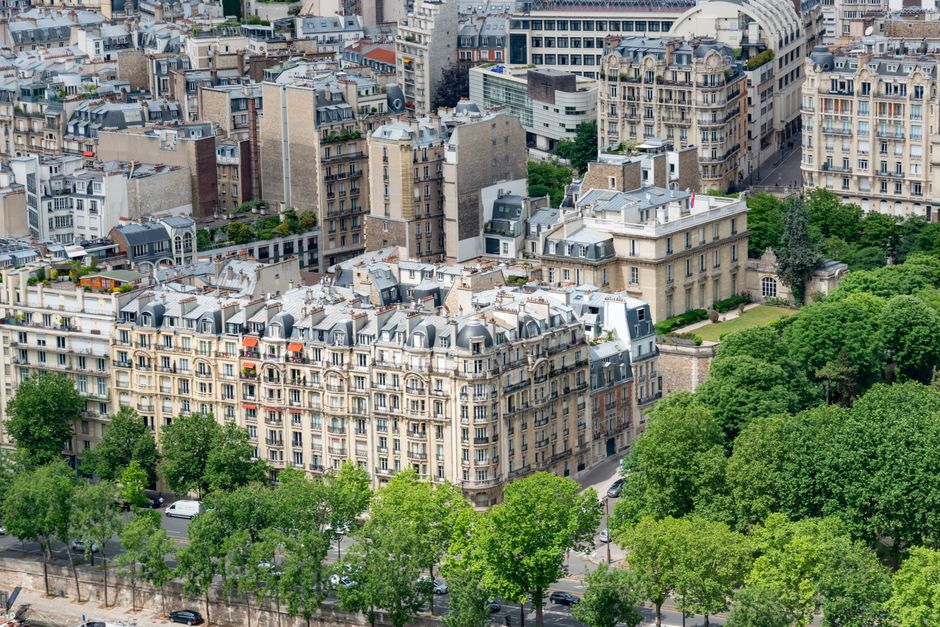
The transformation is visible everywhere. Solar panels now crown the rooftops of the Marais district, where the city's 2015 retrofit initiative has equipped nearly 600 buildings with photovoltaic systems. Residents in these neighbourhoods report energy bills 30-40% lower than five years ago—a tangible shift that extends beyond environmental virtue to household economics.
Perhaps most dramatically, the district heating networks supplied by biomass and industrial waste heat have revolutionised winter survival in traditionally cold corners of Paris's outer arrondissements. The network now serves 460,000 residents across the city, with the Belleville-Charonne area seeing particular expansion. Heating costs have stabilised for thousands of families, even as global energy markets remained volatile.
The Gare de Lyon has become a showcase for this shift. Its recent retrofit incorporates rainwater harvesting systems, LED lighting that reduces electricity consumption by 45%, and a green roof that absorbs heat and stormwater. The station's cafe suppliers now predominantly use renewable energy sources, a ripple effect few commuters consciously register but all benefit from.
Public transport integration has accelerated too. The RATP's electric bus fleet, now exceeding 600 vehicles, dominates routes through the 13th and 15th arrondissements. Commute times have stabilised; air quality has measurably improved. Air pollution levels in central Paris dropped 22% between 2020 and 2026, with transport electrification accounting for roughly one-third of that improvement.
Yet the integration isn't seamless everywhere. Older neighbourhoods like parts of the 20th arrondissement lack the infrastructure investment of wealthier districts, raising equity concerns that city planners are now actively addressing through targeted funding.
What's striking is how unremarkable it's all become. Green tech in Paris is no longer about sacrifice or ideology—it's infrastructure, as mundane and essential as the Seine itself. For residents, the revolution has been quietly profound: cleaner air, lower bills, and the small daily confidence that their commute is part of the solution rather than the problem.
This article was compiled by AI from the sources linked above and screened before publishing. See our editorial standards.