Paris's startup scene is reshaping coworking as remote work culture solidifies
A surge of flexible workspace demand in the Marais and La Défense reveals how the city's tech workers are ditching traditional offices for hybrid arrangements.
A surge of flexible workspace demand in the Marais and La Défense reveals how the city's tech workers are ditching traditional offices for hybrid arrangements.
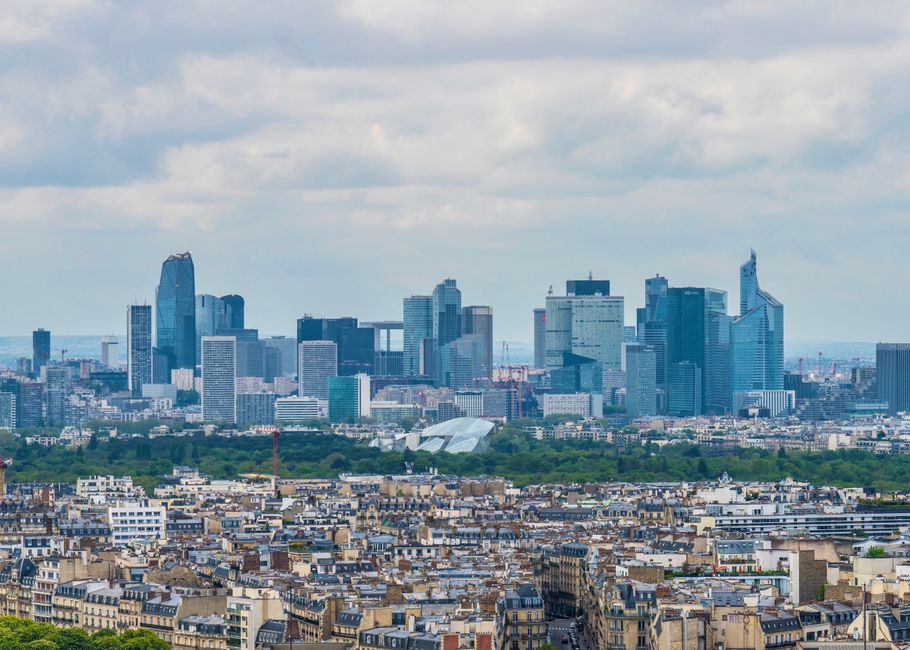
The post-pandemic remote work revolution has crystallised into something tangible across Paris's tech districts. Rather than a temporary shift, hybrid and flexible working arrangements have become the operational default for startups and established tech firms alike, reshaping the physical infrastructure of how Parisians work.
In the Marais district, where tech density rivals that of Silicon Valley venture capital offices, coworking spaces are no longer marketing themselves as alternatives to traditional offices. They're now positioned as primary workplaces. WeWork's presence in the 4th arrondissement remains substantial, but newer entrants like Station F's adjacent flex-space offerings and locally-owned operators such as Spaces and Selina have proliferated. Operators report that month-to-month desk memberships—a structure unthinkable five years ago—now account for over 40% of their revenue.
The economics tell the story. A dedicated desk in central Paris averages €400–€600 monthly, significantly cheaper than traditional office leases while offering flexibility that startup founders increasingly demand. La Défense, the city's business district, has seen particular transformation, with major property developers converting speculative office stock into modular coworking arrangements. Several 1990s-era office towers are now hybrid spaces, mixing traditional corporate tenants with rotating startup residents.
Data from the Paris Chamber of Commerce indicates that 62% of tech startups founded in 2024–2025 never signed traditional office leases. Instead, they've bootstrapped through coworking arrangements, often combining a primary space with satellite hot-desking across multiple neighbourhoods. This flexibility enables rapid scaling without capital-intensive real estate commitments.
The shift has profound implications for neighbourhood vitality. Rue des Francs-Bourgeois, historically a retail corridor, now hosts seven coworking operators alongside traditional shops. Coffee culture has intensified around workspace hubs—baristas in these areas report 30% higher transaction volumes than five years prior.
French tech policy has quietly supported this transition. Government initiatives promoting remote work tax benefits and subsidised coworking passes for freelancers have accelerated adoption among the solo-founder demographic. Meanwhile, larger employers—including LVMH's digital units and Orange's innovation labs—have embraced hybrid models, maintaining token central offices while distributing teams across flexible workspace networks.
Yet challenges persist. Broadband reliability remains uneven in older Marais buildings, and French labour law's complexity around distributed teams continues vexing HR departments. Still, as June 2026 data shows Paris's coworking sector expanding at 18% annually, the topology of Parisian work culture is undeniably shifting from location-dependent to task-driven.
This article was compiled by AI from the sources linked above and screened before publishing. See our editorial standards.
How does this story make you feel?
Spread the word
About this article
Published by The Daily Paris
Daily brief
Free, in your inbox before 7am. Weekdays.
More in tech