Sydney's fitness landscape has undergone a quiet revolution. While major chains like Fitness First and Anytime Fitness once dominated the market, recent participation data paints a strikingly different picture of how locals actually train.
Industry figures from the Australian Fitness Industry Association show boutique fitness studios now account for nearly 40 per cent of Sydney gym memberships, up from just 18 per cent five years ago. That shift tells us something profound about how Sydneysiders view exercise: it's no longer about pumping iron in fluorescent-lit warehouses. It's about community, specificity, and experience.
Take the Inner West. Suburbs like Marrickville and Dulwich Hill have seen an explosion of small studios—Pilates reformer classes, CrossFit boxes, yoga collectives—replacing the generic fitness centres that once lined King Street and Marrickville Road. Membership data shows these venues maintain retention rates above 75 per cent, compared to the industry average of 55 per cent at large commercial gyms.
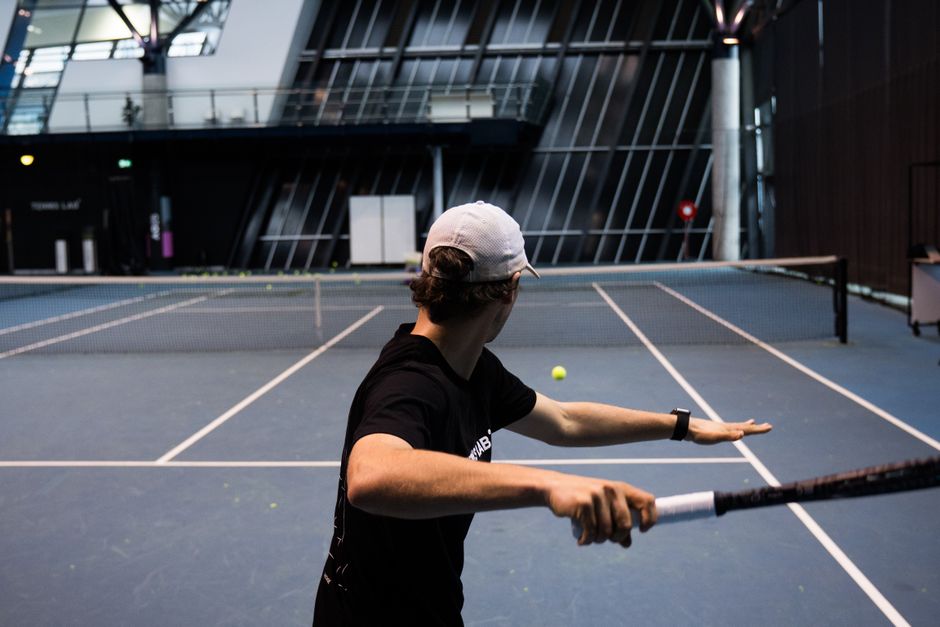
The numbers reveal even more. Personal training sessions, once a luxury for the wealthy, now represent 28 per cent of gym revenue across the city. That's nearly double the figure from 2020. Simultaneously, group fitness class participation has surged 34 per cent in the same period, with spinning, functional training, and outdoor bootcamps proving especially popular across the Eastern Suburbs and Northern Beaches.
Price points matter too. While a premium membership at a city-centre gym runs $150–200 monthly, boutique studios charge $180–250 for unlimited classes—yet people keep signing up. This suggests Sydneysiders have fundamentally revalued fitness. They're willing to pay more for specialisation, community, and accountability than for access to equipment they might never use.
Outdoor training has also transformed from niche to mainstream. Data from council records shows usage of public spaces like Hyde Park, Centennial Park, and the coastal promenades has jumped sharply, particularly among 25–40-year-olds. The rise of outdoor boot camps and running clubs—many free or low-cost—reflects both budget-consciousness post-pandemic and a desire for fitness that doesn't feel like confinement.
Perhaps most tellingly, gym membership duration has shortened. Where members once locked in annual contracts, participation data now shows a majority choosing month-to-month flexibility. That's not laziness—it reflects a maturing fitness culture where people expect to trial different approaches, switch between studios, and customise their training journey.
Sydney's gyms aren't dying. They're evolving. And the data shows we're all happier for it.
This article was compiled by AI from the sources linked above and screened before publishing. See our editorial standards.