Splash and Dash: What Sydney's Swimming Boom Reveals About Our Fitness Obsession
New participation data shows water sports are surging across Sydney's beaches and pools—and it's reshaping how locals think about getting fit.
New participation data shows water sports are surging across Sydney's beaches and pools—and it's reshaping how locals think about getting fit.
Sydney's relationship with water has always been symbiotic, but recent participation figures suggest we're diving deeper into aquatic fitness than ever before. New data from Swim Australia and local council records reveal that water-based activities now account for nearly 18 per cent of all structured fitness participation across greater Sydney—a jump of 4.2 percentage points since 2023.
The numbers tell a compelling story about how Sydneysiders are moving away from traditional gym culture toward activities that feel less like punishment and more like lifestyle. At Bondi Icebergs Club, membership has swelled to 1,200 active swimmers, with waitlists now stretching months. Meanwhile, council-run facilities from Coogee to Parramatta report 34 per cent increases in lap swimming attendance since the start of 2025, with peak times shifting earlier as morning swimmers crowd lanes before dawn.
Outrigger canoe clubs dotting the Parramatta River—from the western suburbs through to the City—have seen junior memberships nearly double. Stand-up paddleboarding, once a niche summer activity, has evolved into a year-round pursuit, with instructors at Rose Bay and Palm Beach reporting consistent bookings even through winter. Triathlon participation has grown too, with events like the Westpac Aquathlon drawing record crowds to venues across Sydney Harbour.
What's driving the shift? Part of it is accessibility. A lap swim at most Sydney councils costs $7 to $12—dramatically cheaper than gym memberships hovering around $180 monthly. But there's more to it than economics. Fitness culture in Sydney, long dominated by boutique cycling studios and CrossFit boxes in inner-city suburbs like Surry Hills and Marrickville, appears to be becoming more democratised and outdoor-focused. Water offers something gyms don't: community, natural light, and the psychological lift of being near the ocean or river.
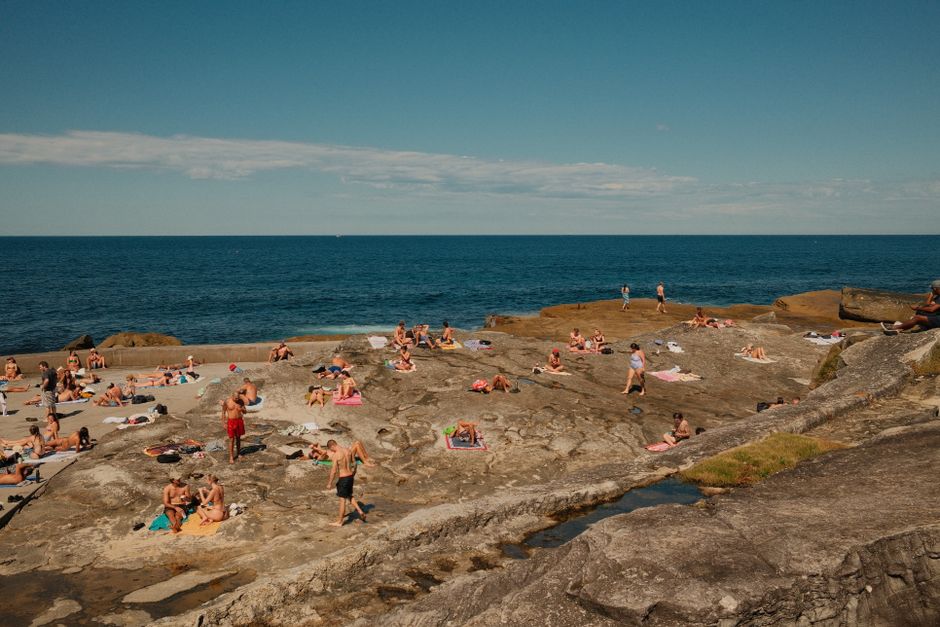
The data also suggests a generational shift. While over-45s dominate traditional pools, younger demographics aged 18-35 are gravitating toward social water activities—group swims, ocean swimming clubs, and kayaking expeditions—rather than solitary lap sessions. Instagram-worthy venues like the Clovelly Dive Pool and summer swimming spots around the Rocks have become social anchors, not just exercise destinations.
Interestingly, the surge isn't evenly distributed. Inner west and inner south participation rates outpace northern beaches and western Sydney, suggesting water sports remain somewhat postcode-dependent. But councils across the region are investing in new facilities and programs, signalling they've noticed the trend. For a city defined by its beaches and waterways, it seems we're finally letting participation data guide us back to what's always been our greatest asset.
This article was compiled by AI from the sources linked above and screened before publishing. See our editorial standards.
How does this story make you feel?
Spread the word
About this article
Published by The Daily Sydney
Daily brief
Free, in your inbox before 7am. Weekdays.
More in Sport