Sydney's Crumbling Court Network: How Aging Facilities Are Threatening the City's Amateur Sports Culture
From Redfern to Ryde, recreational clubs struggle with outdated venues while demand for grassroots sport reaches all-time highs.
From Redfern to Ryde, recreational clubs struggle with outdated venues while demand for grassroots sport reaches all-time highs.
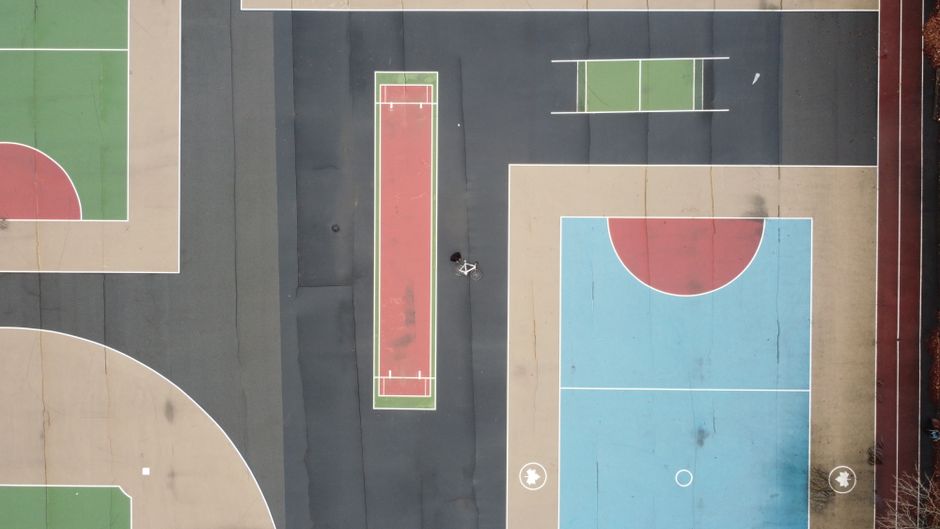
Walk past Redfern Park on a Thursday evening and you'll find the netball courts packed three deep. Drive along Parramatta Road in Ryde and the basketball hoops barely hang straight. For Sydney's sprawling network of amateur sports clubs—thousands of them stretching from Bondi to Penrith—the infrastructure that once anchored community sport is visibly failing.
The challenge isn't new, but it's intensifying. Sydney's recreational sports landscape hosts an estimated 150,000 active participants across hundreds of clubs, yet the facilities supporting them are straining under the weight. Courts cracked from decades of use, grandstands with rusted railings, and changerooms that haven't been modernised since the 1990s have become routine obstacles for amateur leagues chasing affordable, quality venues.
"The demand is there," says Ian Blackmore, director of the Eastern Suburbs Sports Council. "What we're seeing is clubs doubling their waiting lists because facilities simply can't accommodate them." Competition for premium timeslots at council-managed venues like those at Moore Park and Homebush Bay has become fierce, with some clubs paying $150 to $250 per hour for court hire—a significant burden for volunteer-run organisations operating on modest budgets.
The financial squeeze is real. Inner-west councils report maintaining over 80 public sports facilities each, yet funding constraints mean renovation cycles stretch to 15 years or more. A basic netball court resurfacing costs $80,000 to $120,000. A full pavilion rebuild? Often north of $500,000. Many smaller clubs in Western Sydney suburbs like Penrith and Campbelltown have seen facility maintenance drop to bare-minimum levels.
Yet pockets of innovation emerge. The Kogarah Sports Complex in Rockdale has recently upgraded its facilities with LED lighting and improved drainage—a $2.3 million project that's become a model for others. Some clubs, desperate for solutions, have partnered with schools to share venues, creating evening-access arrangements that ease pressure on dedicated public facilities.
The real tension lies in planning. Sydney's population is projected to grow by 1.2 million over the next 25 years, yet sports infrastructure investment hasn't matched that trajectory. Industry bodies argue for a shift: developer contributions to new residential projects should funnel consistently into facility upgrades, particularly in outer-ring suburbs where demographic growth is steepest.
For now, thousands of amateur athletes navigate a patchwork system—some blessed with modern facilities, many others making do with less. The infrastructure supporting recreational sport isn't just about courts and courts; it's about whether ordinary Sydneysiders can access the grassroots game at all.
This article was compiled by AI from the sources linked above and screened before publishing. See our editorial standards.
How does this story make you feel?
Spread the word
About this article
Published by The Daily Sydney
Daily brief
Free, in your inbox before 7am. Weekdays.
More in Sport