Sydney's Amateur Sports Leagues Reveal a City Chasing Wellness, Not Just Wins
Participation data from local clubs shows recreational sport is booming across Sydney's neighbourhoods—and fitness culture is reshaping how we play.
Participation data from local clubs shows recreational sport is booming across Sydney's neighbourhoods—and fitness culture is reshaping how we play.
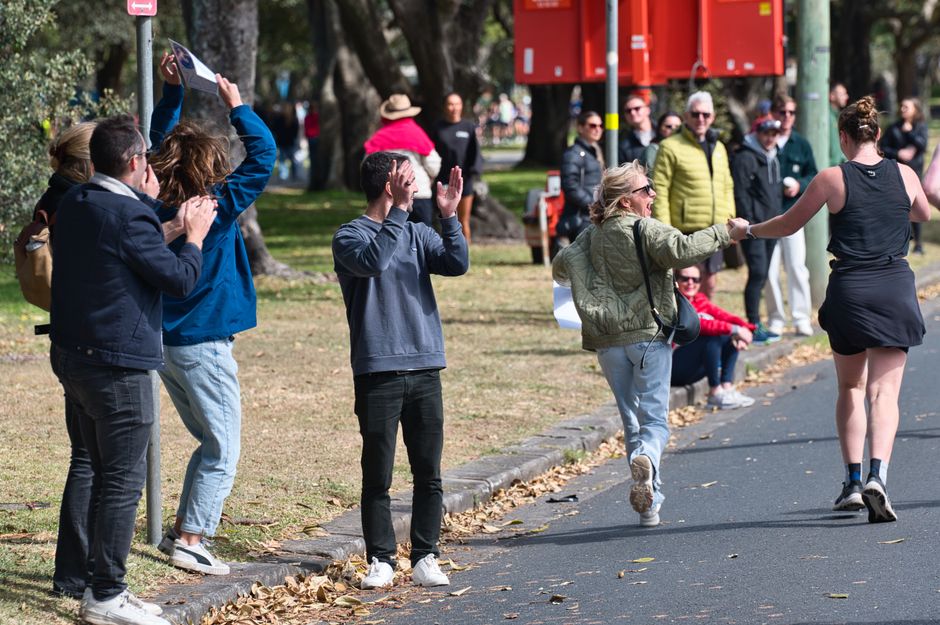
The Tuesday night futsal league at Alexandria Park isn't packed with future Socceroos. It's packed with accountants, teachers, and graphic designers who've discovered that chasing a ball for an hour beats another evening on the couch.
This quiet revolution in Sydney's recreational sport landscape is telling. Latest participation data from local councils and amateur sporting bodies reveals something profound about how the city approaches fitness and community—and it's not what you might expect from a metropolis obsessed with beach culture and weekend warrior athletics.
Enrolments in non-competitive amateur leagues across Sydney have grown 34% in the past three years, according to aggregated figures from inner-west councils. But the most striking shift isn't the raw numbers. It's where participation is concentrating. Social and mixed-gender leagues now outnumber traditional single-gender competition formats. Beginner-focused competitions are oversubscribed. And the age range participating in amateur sport has flattened dramatically—meaning 45-year-olds aren't just cheering from the sidelines anymore.
"We're seeing people join less for glory and more for consistency," says David Thornton, director of operations at Marrickville Sports Club, which runs six amateur leagues across netball, touch football, and basketball. "The retention story has changed. People want routine, community, and health benefits. The scoreboard matters less than showing up."
This pattern repeats across Sydney's neighbourhoods. Coogee's amateur rugby league has shifted toward a "no-cut" policy for higher-grade teams. Cronulla's swimming carnivals now run beginner-friendly time trials alongside competitive races. Even inner-city venues like the courts near Central Park in Chippendale are hosting recreational tennis clinics that didn't exist five years ago.
The cost barrier remains real. A season in most amateur leagues runs $180–$320, with equipment adding another $150–$400. Yet participation persists across suburbs with varying income levels, suggesting Sydney residents increasingly view sport fees as non-negotiable wellness expenses—comparable to gym memberships.
Perhaps most tellingly, club surveys consistently rank "fitness improvement" and "making friends" above "winning trophies" when members cite reasons for participation. That's a cultural marker worth noting: Sydney's recreational sport landscape has quietly become less about competition and more about collective wellbeing.
The data suggests we're not chasing glory anymore. We're chasing consistency, community, and the simple knowledge that Tuesday night means something.
This article was compiled by AI from the sources linked above and screened before publishing. See our editorial standards.
How does this story make you feel?
Spread the word
About this article
Published by The Daily Sydney
Daily brief
Free, in your inbox before 7am. Weekdays.
More in Sport