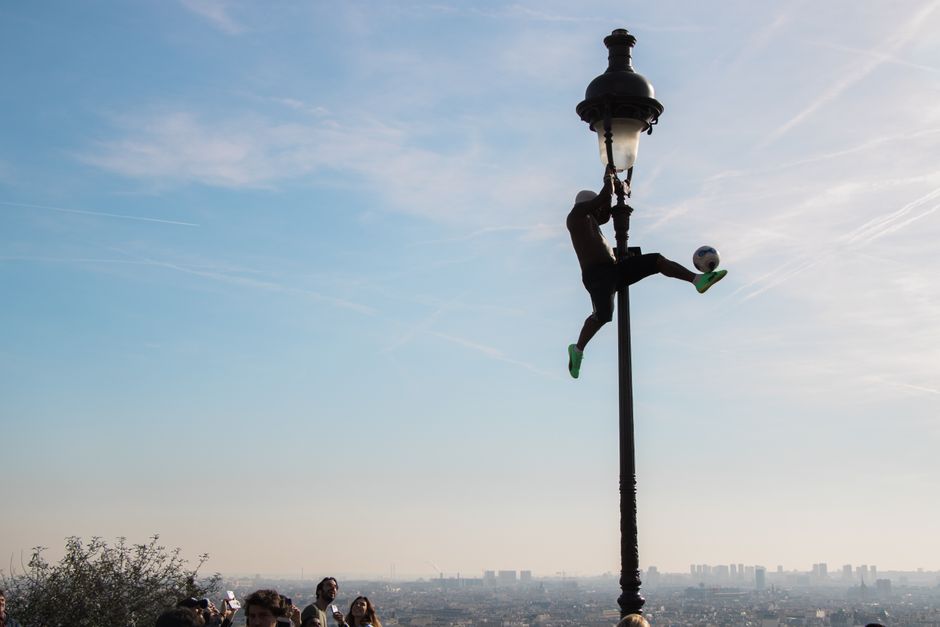
On a humid Tuesday evening in the 11th arrondissement, the synthetic pitch behind Parc des Buttes-aux-Cailles buzzes with energy. Forty teenagers—many from immigrant families and lower-income households—are engaged in an intense football training session. This scene, replicated across dozens of Paris neighbourhoods, represents a quiet revolution in youth sport that is reshaping how the city approaches community development.
The landscape of grassroots sport in Paris has transformed markedly over the past five years. According to the Fédération Française de Football's latest regional data, youth-focused clubs across the Île-de-France have grown membership by 23 per cent since 2021, with participation among girls increasing by 36 per cent. But the numbers tell only part of the story. What's truly remarkable is how these clubs—many operating on shoestring budgets in working-class quarters like Belleville, République, and the 13th—have become anchors for social cohesion.
Take the Union Sportive de Ménilmontant, a rugby club nestled near Parc des Buttes-aux-Cailles that has grown from 120 members in 2019 to 380 today. Their model is simple yet effective: affordable membership fees (€15 monthly for youth), volunteer-led coaching, and intentional recruitment in schools across eastern Paris. Club officials describe it less as a sports organisation and more as a sanctuary—a place where Turkish, West African, and French teenagers train together without hierarchy.
Similarly, handball clubs in the Marais and eastern arrondissements report waiting lists for their youth programmes. The Stade Nautique de Marville in the 12th has expanded water polo coaching for under-16s by 40 per cent in two years, tapping into demand from communities that historically lacked access to Olympic-standard facilities.
What distinguishes these clubs from commercial sports operations is their explicit commitment to neighbourhood integration. Many offer after-school programmes in partnership with local schools, provide equipment subsidies for struggling families, and employ youth coaches from their own communities—people who understand the lived reality of growing up in Paris's outer neighbourhoods.
The impact extends beyond sport. Youth workers and teachers report that regular club participation correlates with improved school attendance and engagement. Parents in areas like Belleville speak of clubs providing structure and mentorship during critical adolescent years when alternatives—particularly for boys—can prove far darker.
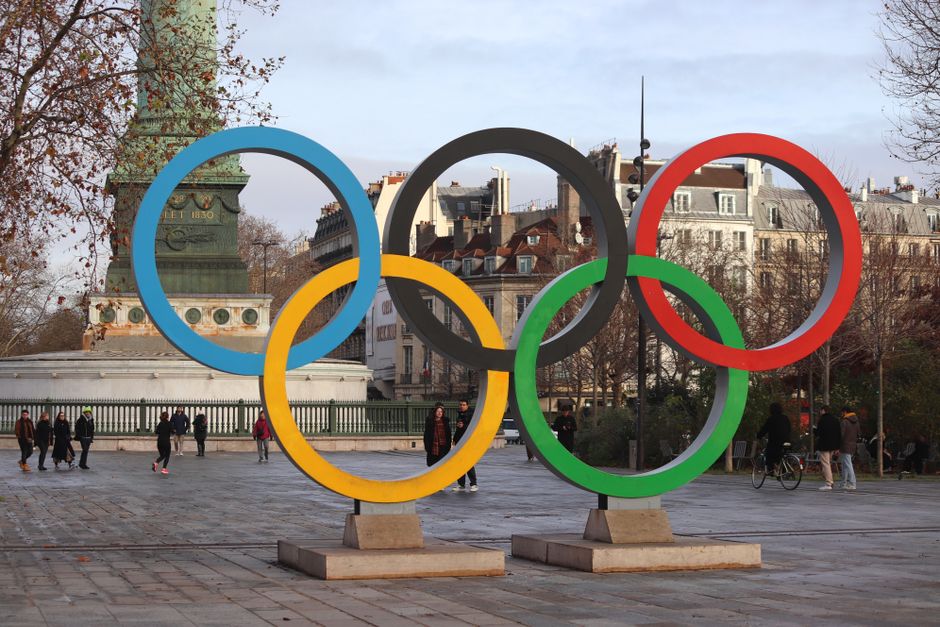
With Paris hosting the 2024 Olympic legacy still resonating, these grassroots organisations face pressure to scale. Yet many leaders insist their strength lies precisely in their local, human scale. As summer tournament season approaches, Paris's youth sports clubs continue their unglamorous but vital work: building communities one training session at a time.
This article was compiled by AI from the sources linked above and screened before publishing. See our editorial standards.