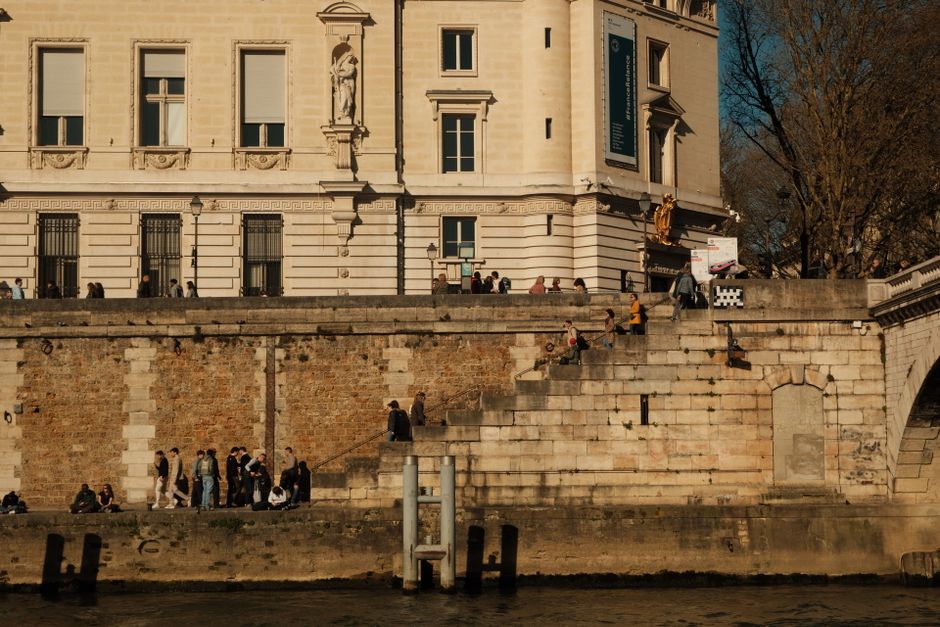
On any given weekend, the towering brick walls of the Parc de Bercy echo with the calls of climbers belaying one another on outdoor routes. What makes this scene remarkable isn't the dramatic backdrops or Instagram-worthy ascents—it's that most of these athletes had never touched a climbing rope before joining one of Paris's neighbourhood climbing collectives.
The grassroots climbing movement across Paris has grown exponentially over the past five years, driven not by luxury gyms or corporate sponsorship, but by a network of passionate volunteers and self-taught enthusiasts. The Association Grimpe Île-de-France, founded in 2021 with just thirty members, now counts over 800 active participants across multiple climbing sites, from the natural boulders scattered along the Marne riverbanks in Nogent-sur-Marne to the converted warehouse walls in Belleville.
What distinguishes these collectives from commercial climbing gyms is their commitment to accessibility and community ownership. Monthly fees average €15 to €25, compared to €60-€80 at established facilities. More importantly, the movement operates on a principle of mutual aid: experienced climbers volunteer as route-setters and safety supervisors, ensuring that barriers to entry—both financial and logistical—remain minimal.
"We started because climbing in Paris felt exclusive," explains the philosophy behind many of these groups, echoed across multiple community centres in the 5th, 10th, and 20th arrondissements. The movement has particularly resonated with young Parisians aged 18-35, with women now representing 42 percent of active members—a demographic shift rarely seen in traditional extreme sports.
The social impact extends beyond fitness. These collectives have transformed underutilised public spaces into vibrant hubs. The Quai Saint-Bernard climbing wall project, for instance, transformed a neglected stretch of the Seine's left bank into a gathering place where climbers, families, and local businesses intersect. Local bakeries near climbing hotspots report increased foot traffic; neighbouring cafés have become informal community centres where climbers discuss routes and mentor newcomers.
Municipal support has been cautiously positive. The City of Paris approved three new outdoor climbing zones in 2024 and allocated €150,000 in funding for safety infrastructure improvements. However, many collectives operate in a grey zone, navigating regulations designed for different activities.
As these grassroots movements continue expanding—with plans for new sites in the 19th and 15th arrondissements—they're proving that extreme sport need not remain the domain of the wealthy or technically privileged. In Paris's climbing collectives, the summit is genuinely within reach for anyone willing to climb.
This article was compiled by AI from the sources linked above and screened before publishing. See our editorial standards.