Paris's endurance sports scene has quietly evolved into one of Europe's most sophisticated ecosystems, driven by decades of strategic investment in facilities that cater to runners, cyclists and triathletes alike. The infrastructure supporting these disciplines now rivals any major global city, underpinned by public investment and private enterprise that has fundamentally reshaped how athletes train across the metropolis.
The Bois de Boulogne remains the spiritual heart of Parisian running culture, with its 85.5 kilometres of marked pathways attracting an estimated 15,000 runners weekly. Yet the city has moved far beyond reliance on this single asset. The newly expanded Parc de la Villette now hosts the Paris Triathlon facilities, featuring dedicated transition zones and open-water swimming areas along the Canal de l'Ourcq—infrastructure completed in 2024 that positions the venue among France's most comprehensive multisport hubs.
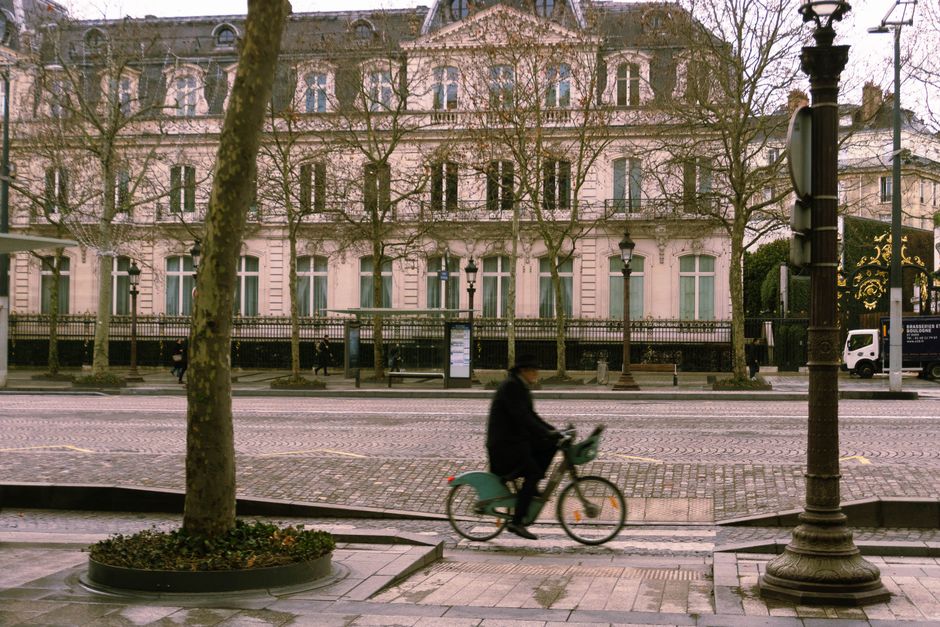
Cycling infrastructure has seen comparable growth. The Vélodrome de Vincennes, recently upgraded with €8.2 million in renovations, operates alongside the broader network of 800 kilometres of cycle lanes threaded through central neighbourhoods like the Marais and Latin Quarter. The Vélib' system, now operating 14,000 bikes across 1,400 stations, has fundamentally democratised cycle commuting and training accessibility since its expansion in 2023.
For serious distance athletes, the Piscine Molitor complex in the 16th arrondissement offers Olympic-standard facilities including an outdoor 50-metre pool open year-round—essential infrastructure for triathlon preparation. Monthly memberships start at €45, making elite training accessible to serious amateurs. The Complexe Sportif de Belleville in the 19th provides comparable facilities at competitive rates, serving the city's eastern communities.
Running clubs have leveraged this infrastructure explosion. The Paris Running Club and Montsouris Athletic Club now coordinate group training schedules across designated zones, from the calm lake paths at Parc Montsouris to the urban tempo runs through Île-de-France forest trails. The proliferation of smaller, neighbourhood-specific clubs has grown participation rates by 23 per cent over three years, according to French Athletics Federation data.
Event hosting capability has expanded proportionally. The Paris Marathon, drawing 52,000 runners in 2025, utilised improved crowd management facilities and expanded medical infrastructure that now spans seventeen aid stations across the course. The triathlon federation reports eight major events annually across the Île-de-France region, compared to three in 2020.
This infrastructure evolution reflects a calculated policy shift: positioning Paris as the continent's endurance sports capital. For distance athletes, whether recreational or competitive, the evidence suggests the strategy is succeeding.
This article was compiled by AI from the sources linked above and screened before publishing. See our editorial standards.