Walk along the Rue de Dunkerque on any Tuesday evening and you'll spot the glow of floodlights illuminating Stade de France's northern approach—a vivid reminder that Paris remains synonymous with footballing excellence. Yet the real story of the capital's sporting infrastructure extends far beyond this iconic 81,000-capacity venue in Saint-Denis.
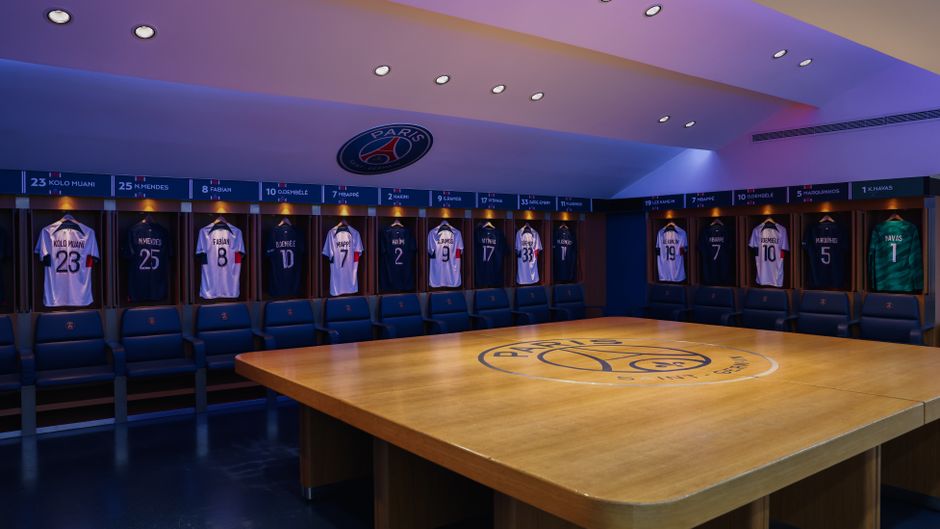
Over the past three years, Paris has undergone a quiet revolution in grassroots and professional facility development. The Ligue 1 academy complex in Clairefontaine, nestled 35 kilometres southwest of the city centre, has invested €12 million in upgraded training pitches and medical facilities, cementing its status as Europe's premier talent incubator. Meanwhile, PSG's state-of-the-art Campus PSG in Poissy, operational since 2021, now hosts 14 full-sized pitches alongside cutting-edge performance analysis suites.
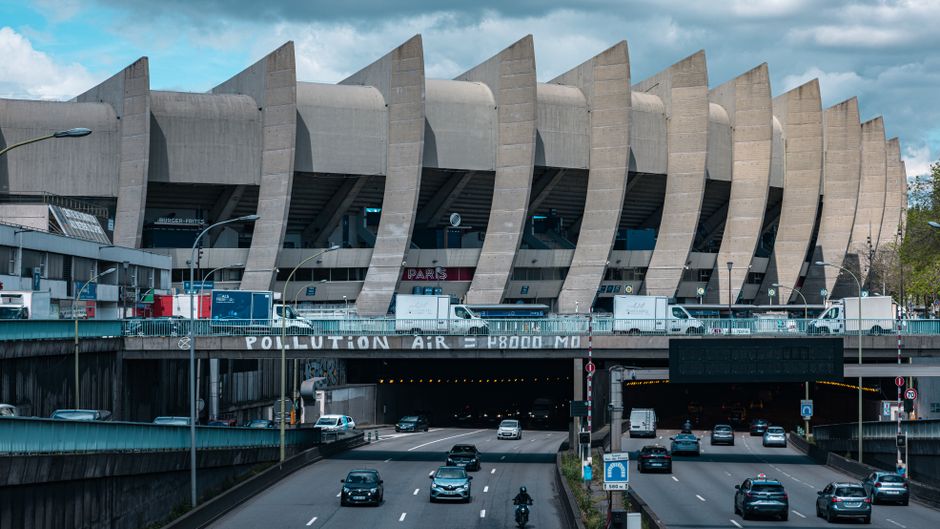
Closer to central Paris, the Parc des Princes—the historic 47,929-capacity ground in the 16th arrondissement—underwent a €100 million renovation programme completing in 2024. The overhaul modernised everything from the pitch surface to hospitality zones, ensuring the 95-year-old stadium remains competitive with contemporary European venues.
But infrastructure investment isn't confined to elite clubs. Municipal football grounds across the city have seen significant upgrades. The Stade Géo André in the 13th arrondissement recently benefited from €3.2 million in local authority funding, adding synthetic training pitches and improved spectator facilities serving community clubs. Similarly, facilities in Belleville and the 20th arrondissement have undergone modernisation, democratising access to quality playing surfaces.
The economic impact resonates. Paris's football infrastructure ecosystem—encompassing stadium operations, training facility management, and hospitality services—now directly employs over 2,400 people across the metropolitan area, with indirect employment reaching an estimated 6,800 positions. Gate receipts, merchandise, and food and beverage operations generate approximately €280 million annually.
Yet challenges persist. Ageing pitches in lower-league facilities remain problematic. Several clubs in the Championnat National complain of substandard drainage systems and inadequate floodlighting on grounds across the outer arrondissements and Seine-Saint-Denis suburbs.
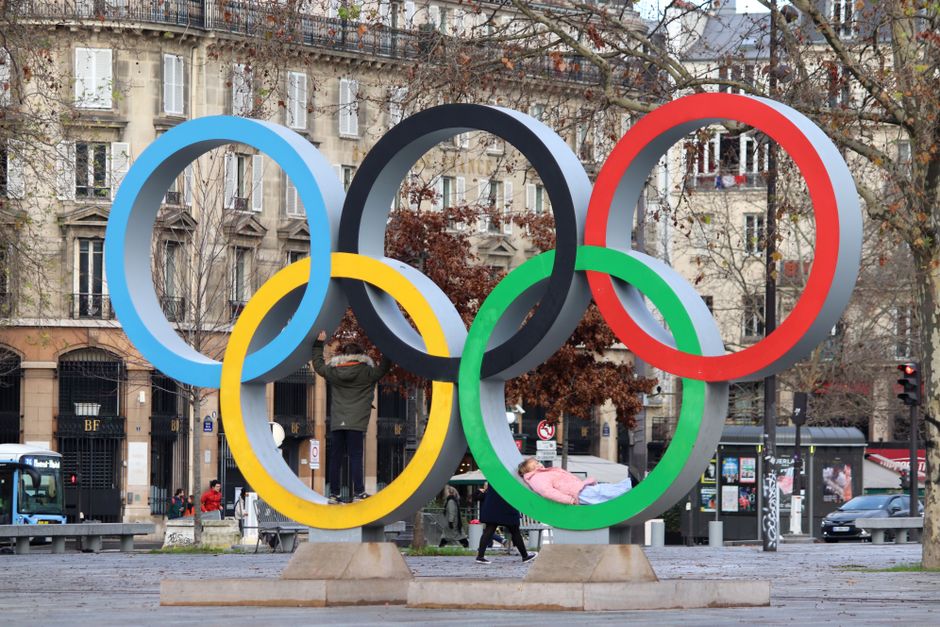
Looking ahead, Paris's bid for the 2036 Olympic Games (announcement pending) has catalysed fresh investment proposals. City planners are evaluating potential renovations to auxiliary venues and the development of additional training complexes in the 12th and 15th arrondissements—moves that could fundamentally reshape the capital's footballing landscape once more.
This article was compiled by AI from the sources linked above and screened before publishing. See our editorial standards.