Paris has long been synonymous with cycling—the Tour de France finish on the Champs-Élysées remains sport's most iconic moment—but the city's infrastructure revolution extends far beyond that single grand spectacle. Today, runners, cyclists, and triathletes are discovering that the French capital offers some of Europe's most comprehensive facilities for serious endurance training.
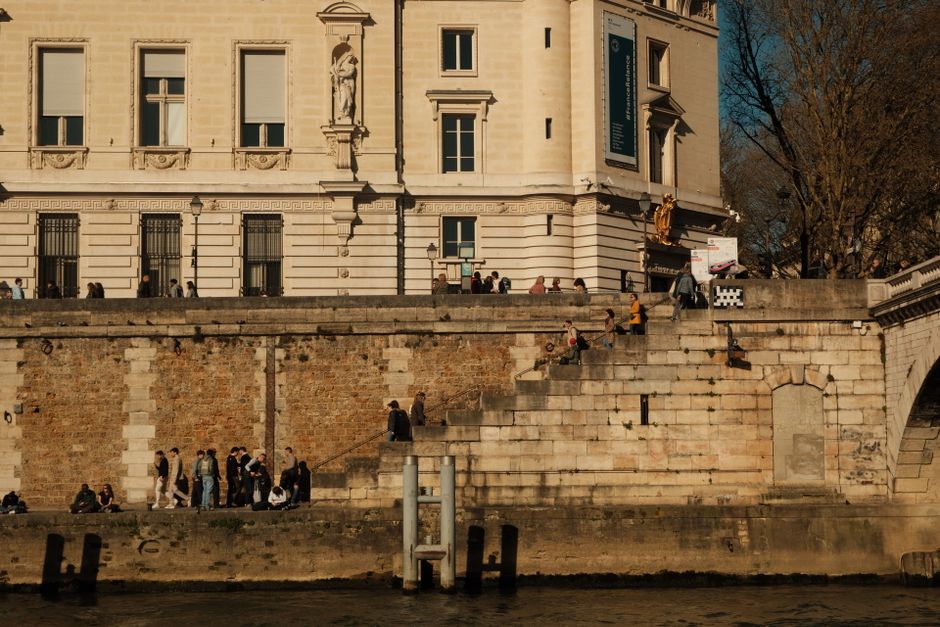
The transformation begins along the Seine. The newly extended and resurfaced towpaths from Pont de l'Alma through the 7th and 15th arrondissements now provide nearly 12 kilometres of dedicated running and cycling routes, with proper drainage systems and all-weather surfaces. Jogging clubs report participation up 23 percent since the 2024 upgrades, according to Paris Running Federation figures. The path's integration with the Promenade Plantée in the 12th arrondissement creates a seamless 20-kilometre corridor that attracts commuter cyclists and weekend triathletes alike.
But infrastructure means more than pretty paths. The Piscine Joséphine Baker in the 13th arrondissement—with its retractable roof and Olympic-standard 50-metre pool—has become essential for triathlon preparation. Annual memberships start at €680, making it accessible to serious amateurs while serving elite swimmers. Nearby, the Stade Charlety complex hosts dedicated velodrome sessions and 400-metre track training three evenings weekly.
The real catalyst, however, has been the decentralisation of specialist facilities. The Cycling Academy at Port de la Chapelle (18th) opened in 2024, offering power metre testing, biomechanics analysis, and structured training programmes. Monthly coaching clinics cost €45. Meanwhile, the newly renovated Parc de la Tête d'Or annex in the 5th provides transition zones for triathlon-specific brick sessions—running off the bike—which clubs book for €120 per session.
What distinguishes Paris from other major European capitals is the municipal commitment. The Mairie de Paris allocated €8.2 million in the 2024-2026 budget specifically for endurance sport infrastructure, targeting underserved neighbourhoods. The result: satellite training hubs in the 19th and 20th arrondissements now offer subsidised pool access and supervised outdoor training groups.
Local triathlon clubs report a 40 percent surge in membership since 2023. The France Triathlon Paris chapter now organises monthly open-water swims in the Seine—temperature monitored, lifeguards present—a dramatic shift from five years ago when such training was considered reckless.
For endurance athletes, Paris is no longer just where the Tour ends. It's increasingly where serious preparation begins.
This article was compiled by AI from the sources linked above and screened before publishing. See our editorial standards.