Paris Saint-Germain's Stadium Expansion Plans Face Critical Summer Decision
As the club eyes European dominance, the future of Parc des Princes hangs in the balance amid rival proposals for a new 60,000-capacity fortress.
As the club eyes European dominance, the future of Parc des Princes hangs in the balance amid rival proposals for a new 60,000-capacity fortress.
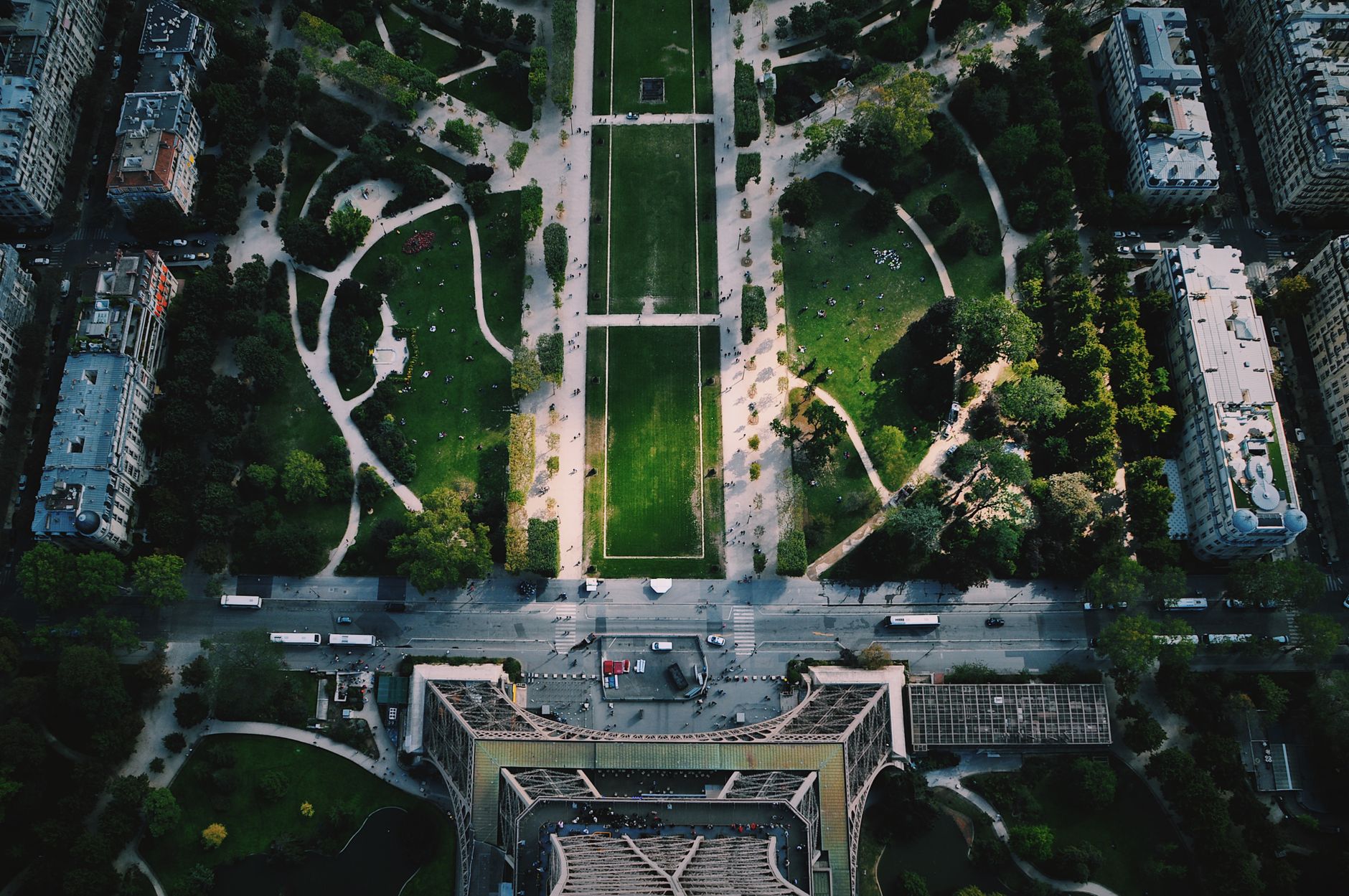
Paris Saint-Germain stands at a crossroads this summer, and the decision about where the club will play could reshape the sporting landscape of the French capital for decades to come. With their current home at Parc des Princes—nestled in the 16th arrondissement since 1974—nearing capacity constraints, club officials are weighing transformative choices that will determine PSG's competitive future in an increasingly expensive European marketplace.
The historic stadium, with its intimate 47,929-seat configuration, has become a bottleneck for a club with continental ambitions. Recent financial reports indicate PSG generates roughly €150 million annually in matchday revenue alone, a figure that rivals like Manchester City and Real Madrid have substantially surpassed through larger stadium capacities. The gap is undeniable: while PSG fills Parc des Princes to near-capacity most weekends, competitors in the Champions League operate venues holding 60,000-plus spectators.
Club leadership has quietly explored two primary scenarios. The first involves a radical renovation of Parc des Princes itself, potentially expanding capacity to 55,000 while preserving the venue's historic character in the upscale Auteuil neighbourhood. The second—more ambitious and controversial—proposes relocating to a newly constructed, state-of-the-art 60,000-seat stadium, potentially in the eastern suburbs, which could generate an estimated €50-75 million in additional annual revenue through enhanced commercial facilities and hospitality spaces.
The Parc des Princes option carries sentimental weight for supporters who have watched legendary performances within its distinctive bowl-shaped structure. However, French football's governing bodies and UEFA's stringent requirements for elite club infrastructure increasingly favour new construction over renovation. A modern facility could also attract greater sponsorship deals and premium seating revenue—critical as PSG competes for continental trophies against better-resourced institutions.
Financially, the stakes are enormous. Industry analysts estimate a new stadium would cost €600-800 million, a figure PSG's ownership structure—backed by Qatar's Public Investment Fund—can theoretically absorb. Yet political considerations loom large; Paris city officials have expressed concerns about displacement and urban planning implications of relocation proposals.
The decision arrives as PSG prepares for another challenging European campaign. Without enhanced revenue streams, the club risks falling behind in the financial arms race that increasingly determines Champions League success. Expect an official announcement by autumn regarding the stadium's future—a verdict that will echo far beyond the Île-de-France region.
This article was compiled by AI and screened before publishing. See our editorial standards.
How does this story make you feel?
Spread the word
About this article
Published by The Daily Paris
Daily brief
Free, in your inbox before 7am. Weekdays.
More in Sport


