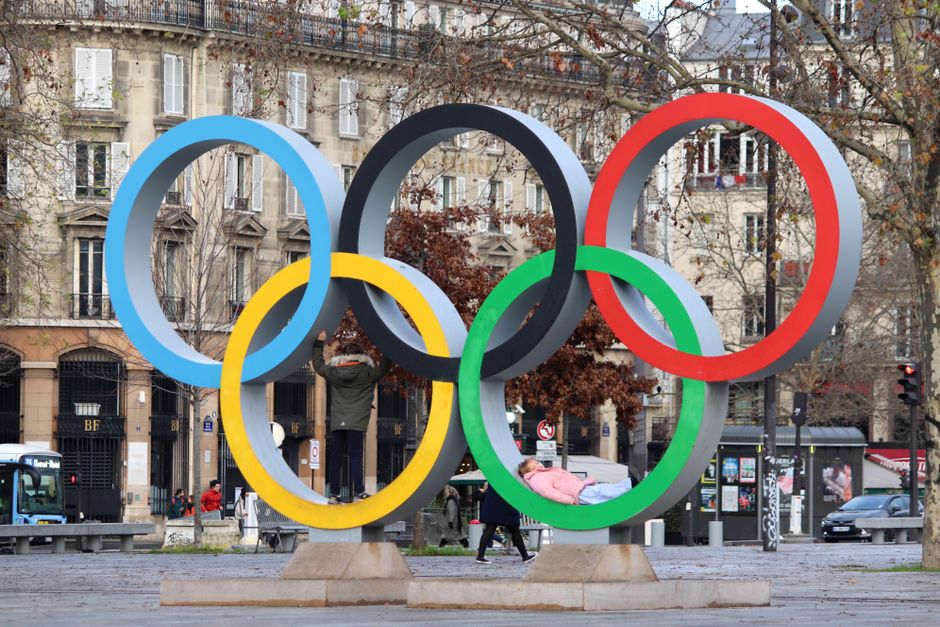
Paris has long been synonymous with haute cuisine and fashion, yet the city is experiencing a profound shift in how it supports athletic infrastructure. The 2024 Olympic legacy continues to reshape neighbourhoods, with endurance sports facilities now rivalling traditional tourist attractions as magnets for both locals and visitors.
The Bois de Boulogne remains the city's crown jewel for distance athletes. Its 2,100-hectare expanse accommodates over 8,000 regular runners daily, with dedicated paths stretching 15 kilometres around the perimeter. Recent improvements have added water stations every two kilometres and improved lighting along evening routes, crucial upgrades that have driven participation among the city's 340,000 regular runners.
Cycling infrastructure has accelerated dramatically since the municipal expansion of véloroutes—dedicated cycle highways. The Vélo'Île network now exceeds 1,400 kilometres of connected routes, with the recently completed Canal Saint-Denis corridor offering a smooth 12-kilometre commute linking northern Paris to central training hubs. The Bois de Vincennes, on the eastern flank, hosts the Pôle Cycliste d'Île-de-France, a €18-million facility featuring a 250-metre velodrome and purpose-built road training circuits.
Triathlon venues have expanded beyond traditional pools. The Stade Nautique de la Butte-aux-Cailles in the 13th arrondissement now operates 25-metre and 50-metre pools with dedicated lanes for structured training. More significantly, swimming access in the Seine itself has revolutionised training paradigms. The Paris Plages scheme has evolved to include monitored swimming zones between Pont des Invalides and Pont de l'Alma during summer months, where water quality testing occurs hourly.
Infrastructure investment extends to smaller, neighbourhood-level facilities. Thirty-two municipal sports complexes now offer subsidised track access, with monthly memberships starting at €35. The Parc des Buttes-Chaumont in the 19th provides free outdoor fitness zones with measured running routes, while the Promenade Plantée—a three-kilometre elevated park spanning the 12th arrondissement—has become particularly popular for tempo runs and interval training.
Club presence reflects this infrastructure boom. More than 120 registered cycling and triathlon clubs now operate across Paris proper, compared to 67 five years ago. The Paris Running Club, based near République, reports membership growth of 23 per cent annually.
As Paris prepares for the 2030 Olympic torch relay route planning, municipal authorities are doubling down on accessibility. The message is clear: endurance sports infrastructure is no longer peripheral to the city's identity—it is becoming central to how Parisians define modern urban life.
This article was compiled by AI from the sources linked above and screened before publishing. See our editorial standards.