While international headlines focus on Paris's iconic monuments, a quieter transformation has reshaped how the city supports endurance sport. The infrastructure underpinning running, cycling and triathlon has evolved dramatically over the past five years, creating pathways—both literal and institutional—that rival European capitals.
The Promenade de la Vallée de la Marne, stretching 20 kilometres along the city's northeastern edge through the 19th and 20th arrondissements, has become essential to Paris's running culture. Recently resurfaced with professional-grade asphalt, it now hosts training groups three evenings weekly, with distances from 5K to half-marathon loops. Local running clubs report membership up 34 per cent since 2023, driven partly by accessible infrastructure.
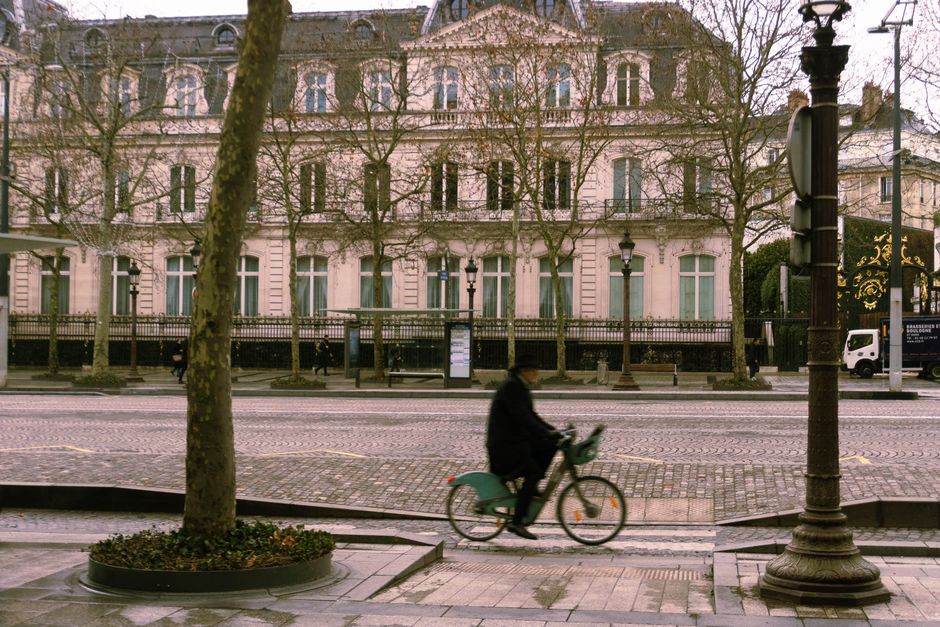
Cycling infrastructure has seen equally significant investment. The Véloroute du Canal Saint-Martin—a dedicated cycle path running seven kilometres through the 10th and 11th arrondissements—connects serious cyclists to longer suburban routes toward Vincennes and beyond. Paris's broader network now exceeds 1,100 kilometres of cycle lanes, a 28 per cent increase since 2021. Monthly membership at the Maison du Vélo, located on Rue de Turenne in the Marais, costs €45 and provides access to bike repair workshops and training seminars.
Triathlon infrastructure, however, represents the most striking development. The Aquatique du Marais, a newly renovated facility in the 4th arrondissement, opened dedicated lanes for open-water acclimatisation swimming in 2024. Meanwhile, Club Triathlète de Paris, based in the 15th near Porte de Versailles, operates a 400-metre pool complex with integrated cycling ergometer rooms and strength facilities. Annual membership ranges from €780 to €1,200 depending on facility access levels.
The Seine itself has undergone transformation. Water quality monitoring, conducted bi-weekly by Paris-Plage authorities, now certifies safe swimming zones from Pont de l'Alma to Pont de Grenelle during summer months. Two open-water swimming clubs operate dedicated morning sessions, attracting endurance athletes training for cross-channel events.
Less visible but equally critical: the administrative backbone. The Mairie de Paris's Sport et Jeunesse directorate coordinates facility bookings across 17 municipal sports complexes, keeping fees transparent and accessible. A standard track session at Stade Charlety in the 13th costs €8 per person, while group cycling classes at facilities near République average €12.
This infrastructure didn't emerge accidentally. It reflects sustained municipal investment and grassroots advocacy from clubs that recognised Paris's potential as an endurance sports destination. The result: a city where serious athletes can build genuine competitive careers without relocating.
This article was compiled by AI from the sources linked above and screened before publishing. See our editorial standards.