From Stade to Street: How Paris's Local Clubs Are Thriving and Building Community
As major venues modernize across the capital, grassroots organizations are leveraging shared spaces to forge deeper connections with neighbourhood residents.
As major venues modernize across the capital, grassroots organizations are leveraging shared spaces to forge deeper connections with neighbourhood residents.
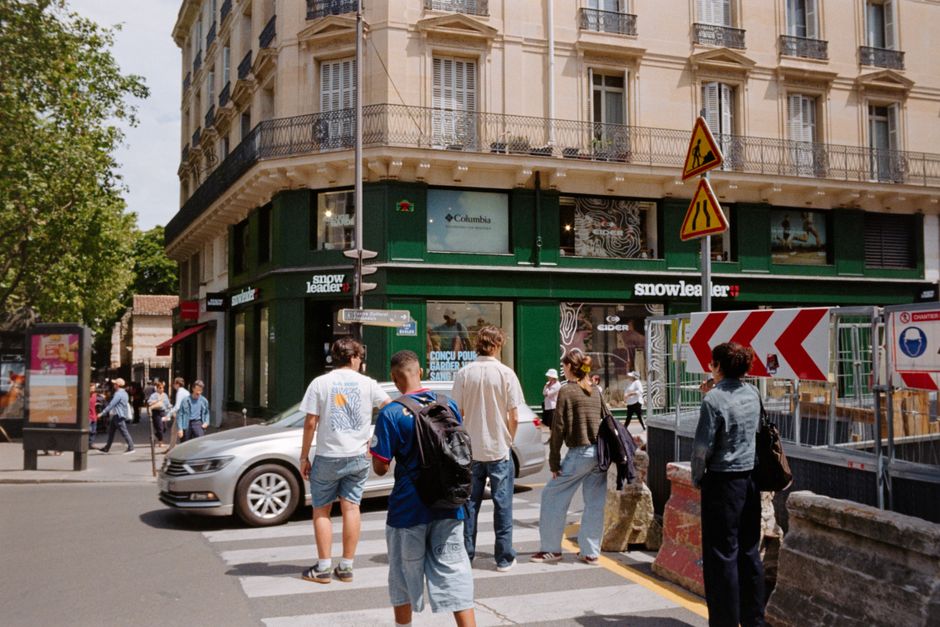
Walk through the 15th arrondissement on any Tuesday evening, and you'll find the Stade Charlety buzzing with activity that extends far beyond professional football. While Paris Saint-Germain commands international headlines, it's the smaller, community-focused clubs operating from renovated municipal facilities that are quietly reshaping how Parisians engage with sport.
The transformation is particularly visible around Parc des Princes and the emerging sports hubs in Belleville and Marais. Local rugby clubs like Stade Français continue their legacy, but increasingly share facilities with amateur organizations that might never make national news. Programmes at the Complexe Sportif Claude-Debussy in the 20th arrondissement now serve 3,400 registered members across seven disciplines—up 23 percent since 2023—according to district management.
"The key is accessibility," explains the ethos of neighbourhood associations like Belleville Sports Collectif, which operates from converted warehouse spaces near rue de Belleville. Youth memberships cost €85 annually, a fraction of private club fees. Evening training sessions run until 10 p.m., accommodating working parents across the diverse community.
Stade Jean-Jaurès in the 19th exemplifies this shift. Originally designed for elite athletes, the venue now hosts Métro Athlétisme, a club that draws teenagers from social housing blocks alongside affluent families from the newer Villette district. The club's summer programme reached 520 young people last year through subsidized access schemes.
Women's participation has surged particularly. Local handball teams operating from Gymnase du Pont-de-Flandre report female membership doubled to 340 players between 2024 and 2026. Basketball clubs in the 13th arrondissement around Place d'Italie mirror this trend, with women's sections now matching men's enrollment numbers.
The economic benefit extends beyond participant fees. Small vendors operating near training venues, community centres hosting post-match gatherings on rue Mouffetard, and local restaurants offering team discounts create localized ecosystems. The Marais-based volleyball collective generates roughly €180,000 annually in indirect economic activity across surrounding businesses.
Paris's stadiums may attract global attention, but the real story unfolding this summer involves community members discovering sport as a pathway to belonging. Whether it's futsal leagues in the 11th arrondissement or swimming clubs in the Latin Quarter, local organizations are proving that thriving sports culture doesn't require international recognition—just committed neighbours, accessible facilities, and genuine investment in their streets.
This article was compiled by AI from the sources linked above and screened before publishing. See our editorial standards.
How does this story make you feel?
Spread the word
About this article
Published by The Daily Paris
Daily brief
Free, in your inbox before 7am. Weekdays.
More in Sport