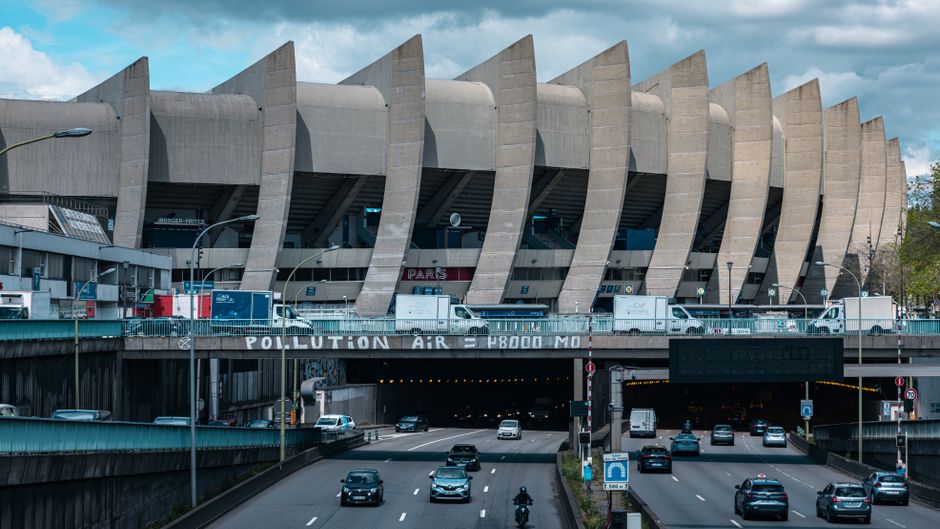
Paris's sporting landscape stretches far beyond the iconic venues that hosted the 2024 Olympics. Yet as the city consolidates its position as Europe's premier sporting destination, a complex picture emerges: gleaming world-class facilities coexist with ageing neighbourhood infrastructure struggling to serve ordinary residents.
The Stade de France in Saint-Denis remains the symbolic centrepiece, hosting rugby's Top 14 and football's PSG when required, with a capacity exceeding 80,000. Meanwhile, the Accor Arena in Bercy—once the Palais Omnisports—continues drawing elite basketball, volleyball and concerts to its 20,000-seat configuration. Yet these flagship venues tell only part of the story.
Across central Paris, the tennis facilities at Roland Garros in the 16th arrondissement showcase meticulous maintenance befitting a Grand Slam venue. The clay courts of Porte d'Auteuil remain aspirational for local players; court reservations typically cost €25-45 per hour during peak times, pricing that reflects both prestige and growing accessibility concerns among coaching associations.
The real infrastructure challenge emerges at district level. Neighbourhood sports complexes—the multisport halls dotting the 11th, 13th and 20th arrondissements—face mounting pressure. Municipal facilities serving basketball, handball and gymnastics clubs operate with limited budgets, creating waiting lists for youth programmes. A 2025 Paris municipal audit found that 34 per cent of arrondissement-level sports halls required significant renovation, particularly regarding climate control and accessibility standards.
Swimming facilities present an acute concern. The Piscine Joséphine Baker in the 13th, while architecturally celebrated, operates at near-capacity during school hours. Other public pools—Pontoise, Hébert, and Keller—serve critical functions for swimming instruction and competitive training yet struggle with maintenance schedules. Annual user fees of €300-500 per household remain modest by Paris standards, yet accessibility remains contested among working-class communities.
The city's cycling infrastructure has improved substantially, with 1,000 kilometres of bike paths now integrated across arrondissements. Yet sports facilities advocates argue investment remains unequal: elite venues receive consistent funding while grassroots facilities compete for municipal resources alongside other city services.
City planners face mounting questions as Paris eyes future bids for international events. Building new stadiums proves politically and financially prohibitive; the real challenge lies in systematically upgrading the unglamorous neighbourhood courts, pools and halls where most Parisians actually play. Infrastructure, they recognise, extends far beyond marquee venues—it defines whether sport remains genuinely accessible across this sprawling, diverse city.
This article was compiled by AI from the sources linked above and screened before publishing. See our editorial standards.