From Concrete Courts to World Stages: How Paris's Grassroots Sports Clubs Built a Movement
Behind the gleaming stadiums and international fixtures lies a network of neighbourhood organisations quietly transforming how Parisians experience sport.
Behind the gleaming stadiums and international fixtures lies a network of neighbourhood organisations quietly transforming how Parisians experience sport.
Walk through the 13th arrondissement on a Tuesday evening and you'll find something the Stade de France's 81,000 seats can't offer: a basketball court in Place de l'Abbé-Basset where teenagers shoot hoops under flickering floodlights, coached by volunteers who grew up in the same neighbourhood. This is where Paris's real sporting revolution happens.
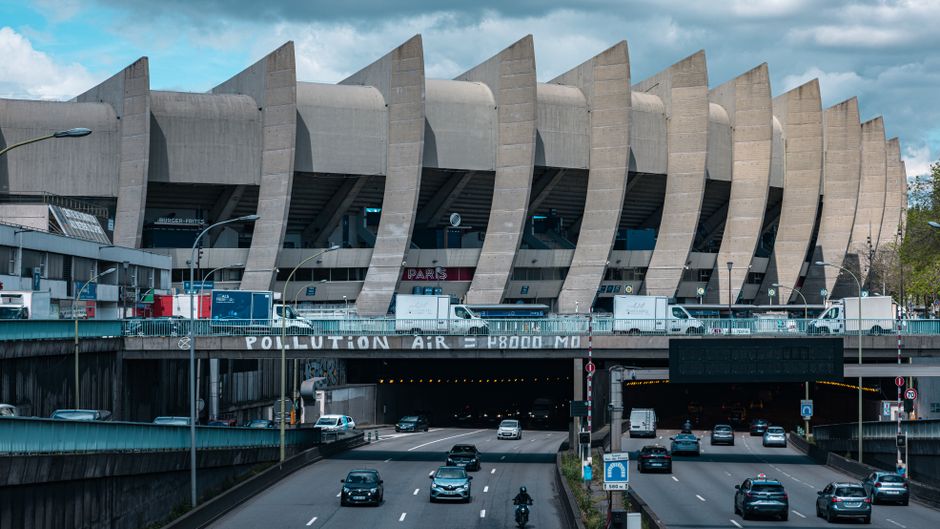
While major venues like the Parc des Princes and Roland Garros dominate headlines, community organisations operating in converted warehouses, municipal pitches, and church basements have fundamentally reshaped how working-class Parisians access competitive sport. According to the Paris Sports Federation, there are over 2,400 registered grassroots clubs across the city, serving more than 180,000 members who pay membership fees averaging €150-300 annually—a barrier many working families still struggle with.
In Belleville, the Association Sportive Communale has operated since 1987 from a modest facility on Rue des Cascades, offering football, volleyball, and handball to local youth. The organisation receives limited municipal funding, relying instead on volunteer coaches and fundraising events. "We're not producing headlines," explains the kind of dedicated administrator found in such spaces, "but we're creating pathways. Kids who start here go on to professional academies."
The movement gained momentum when the 2024 Summer Games infrastructure investments unexpectedly benefited peripheral neighbourhoods. The Centre Aquatique Paris La Villette, initially built for Olympic trials, now operates as a €12 entry-point for swimming lessons. Participation in community swimming programmes in the 19th arrondissement increased 340 percent post-games.
Yet challenges persist. A 2025 survey by Paris's municipal sports department found 68 percent of grassroots clubs operate with annual budgets under €50,000—a fraction of professional team expenditures. Equipment donations from established clubs help offset costs, but structural funding remains precarious.
The real testament to this movement's strength emerged during recent community tournaments. The annual Seine-Saint-Denis Basketball Championship, organised entirely by volunteer networks, attracted 3,200 young competitors last month. No corporate sponsors, minimal media coverage, yet extraordinary civic participation.
These aren't stories that fill the pages of mainstream sports coverage. They're the foundation upon which Paris's sporting culture rests—unglamorous, underfunded, but undeniably vital. As Paris looks toward future hosting opportunities, whether local administrators can sustain this grassroots infrastructure without commercialisation threatens to reshape the city's sporting identity entirely.
This article was compiled by AI from the sources linked above and screened before publishing. See our editorial standards.
How does this story make you feel?
Spread the word
About this article
Published by The Daily Paris
Daily brief
Free, in your inbox before 7am. Weekdays.
More in Sport