Paris's Climbing Clubs Scale New Heights as Community Bonds Strengthen
From Belleville to the Seine's left bank, outdoor adventure groups are transforming the capital's relationship with extreme sport.
From Belleville to the Seine's left bank, outdoor adventure groups are transforming the capital's relationship with extreme sport.
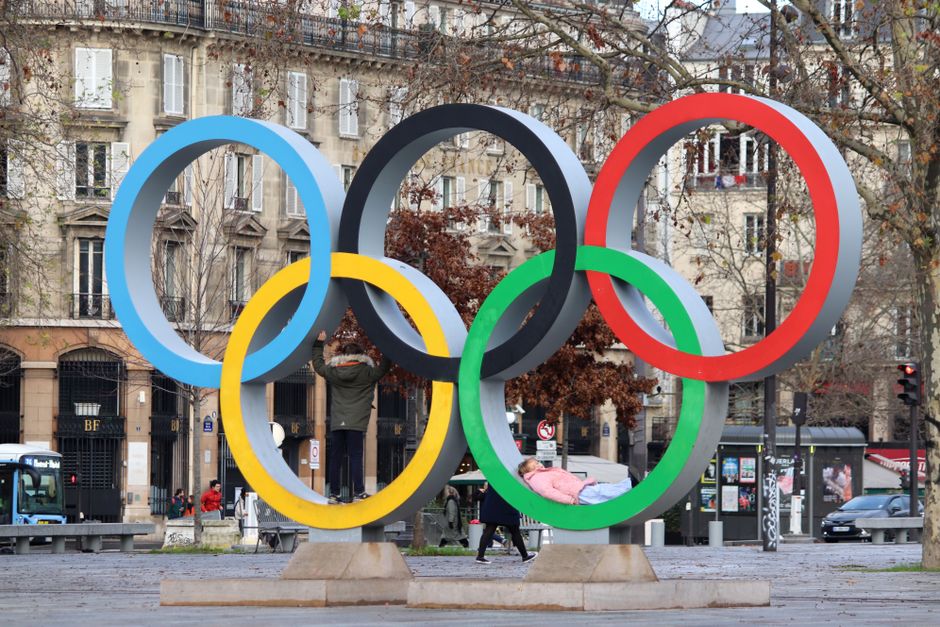
Beneath the iron lattice of the Pont d'Alma, where kayakers once navigated currents alone, a different kind of adventure is taking shape. Rock climbing and outdoor extreme sport clubs across Paris are experiencing a renaissance, drawing thousands of participants who view the disciplines not merely as athletic pursuits but as pathways to genuine community connection.
The surge is most visible in northeast Paris, where the Belleville Climbing Collective has grown from a basement operation in 2019 to operating two permanent outdoor wall installations. The group now counts over 1,200 active members, with monthly membership fees starting at €35. Their success mirrors broader trends: the French climbing federation reported a 34% increase in female participation across affiliated clubs between 2023 and 2025, a shift that has fundamentally reshaped how these communities function.
What distinguishes Paris's climbing renaissance is its decidedly social architecture. The Parc des Buttes-aux-Cailles hosts weekend bouldering sessions where beginners and veterans share chalk and advice. The Canal Saint-Martin has become an informal hub for trail runners and rope climbers preparing for alpine expeditions. These aren't exclusionary scenes built around personal records—they're deliberately inclusive spaces where newcomers encounter established athletes mentoring freely.
Marc Dubois, coordinator of the Left Bank Mountaineering Collective based near the Rue Mouffetard, emphasises this shift. Traditional climbing clubs historically functioned as gatekeeping institutions. Today's Paris clubs operate differently: public taster sessions cost €12, beginner courses €180 for eight weeks. The democratisation has consequences. Indoor facilities across the 5th and 13th arrondissements report waiting lists extending months ahead.
The economic multiplier effect ripples through neighbourhoods. Coffee shops near climbing hotspots—particularly around Belleville and the 11th arrondissement—have adapted menus and extended hours to accommodate post-climb gatherings. Local equipment retailers report 28% revenue growth over two years. More significantly, community-organised expeditions to Fontainebleau's world-class sandstone formations now depart monthly with 40-60 participants, generating secondary spending in regional towns.
Physical health outcomes aside, participants consistently describe psychological benefits. Club WhatsApp groups and Discord servers facilitate connections across Paris's ordinarily siloed neighbourhoods. A finance worker from the 16th might climb alongside a student from Montsouris, forging friendships rooted in shared vulnerability and mutual encouragement rather than circumstance or profession.
As extreme sport's profile rises globally, Paris's clubs offer a compelling model: accessible, inclusive, and deeply rooted in local geography. That combination appears unbeatable for building communities that endure beyond the season.
This article was compiled by AI from the sources linked above and screened before publishing. See our editorial standards.
How does this story make you feel?
Spread the word
About this article
Published by The Daily Paris
Daily brief
Free, in your inbox before 7am. Weekdays.
More in Sport