The numbers tell a striking story. Across Paris's municipal pools, participation in swimming and aquatic fitness programmes has surged 34% over the past three years, according to figures released by the Ville de Paris Sports Department. At facilities like Piscine Molitor in the 16th arrondissement and Piscine Pontoise in the Latin Quarter, membership waiting lists now stretch into months—a phenomenon that would have been unthinkable a decade ago.
This isn't simply about lap swimming. Aqua-aerobics classes in the Marais are booked solid weeks in advance. Triathlon clubs affiliated with the Fédération Française de Triathlon report their Paris chapters have nearly doubled membership since 2023. Even niche offerings like underwater hockey and synchronized swimming have found unexpected audiences among young professionals seeking alternatives to crowded gyms.
What explains this shift? Experts point to several converging factors. First, accessibility: a monthly pass at city-run facilities costs just €35—a fraction of commercial gym fees. Second, the city's aggressive investment in aquatic infrastructure. The new Piscine Beaujon near Champs-Élysées, which opened last autumn, already attracts 2,500 visitors weekly. Third, perhaps most tellingly, a cultural reorientation toward low-impact, sustainable fitness as Parisians grapple with sedentary work culture.
"We're seeing a demographic shift," notes the director of the Piscine des Halles in the 1st arrondissement, where evening sessions now draw working professionals rather than schoolchildren. "People want exercise that doesn't punish their joints. Swimming fits that perfectly."
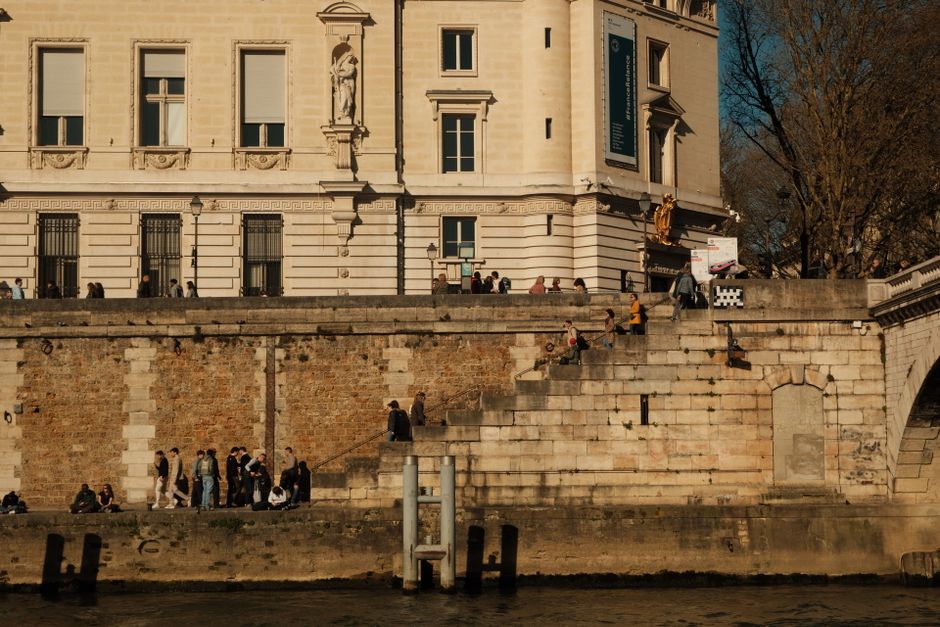
The participation surge extends beyond traditional pools. Open-water swimming groups have proliferated along the Seine—a phenomenon accelerated by improved water quality initiatives. The Villepinte Aquatic Centre in the northeast suburbs, built for the 2024 Olympics legacy, has become a hub for swimming lessons, with over 3,000 children enrolled in summer programmes alone.
Yet challenges remain. Many neighbourhood pools still operate at capacity, and waitlists disproportionately affect outer arrondissements. The city council has pledged €18 million toward expanding aquatic facilities through 2029, but demand growth may outpace supply.
What's undeniable is that Paris's relationship with water sports has fundamentally transformed. In a city increasingly concerned with mental health, joint preservation, and inclusive fitness, the pool has evolved from a summer luxury into a year-round necessity. The participation data suggests Parisians have finally embraced what their grandmothers always knew: the water doesn't judge, and swimming gets you clean.
This article was compiled by AI from the sources linked above and screened before publishing. See our editorial standards.