Walk past the converted warehouse on Rue de Marseille any Tuesday evening, and you'll find the Paris Volleyball Collective in full swing—a testament to how amateur sports clubs are quietly reshaping the social fabric of the French capital. With over 2,400 registered members across three divisions, the club exemplifies a broader trend: recreational sports organisations throughout Paris are experiencing unprecedented growth as residents seek affordable alternatives to commercial gyms and meaningful ways to build community.
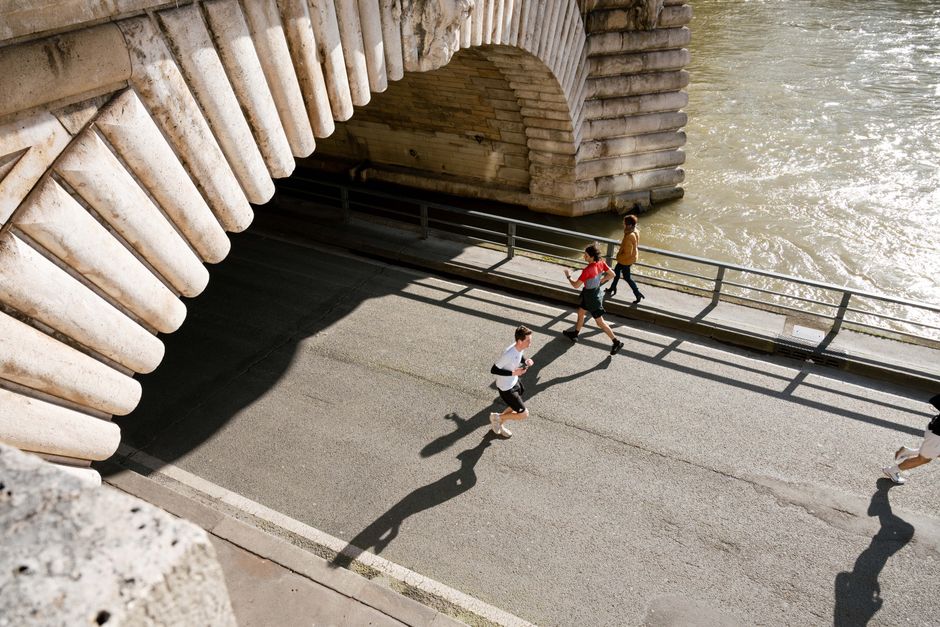
The numbers tell a compelling story. According to the Paris Sports Federation, amateur club membership has climbed 34 per cent since 2023, with particular strength in neighbourhood-based organisations. In the Belleville district, the Cycling Club du 11ème has expanded from 120 members to 310 in just three years, offering weekend rides through Buttes-aux-Cailles and affordable entry fees starting at €45 annually. Meanwhile, the Marais Running Collective has become so popular that their evening jogs along the Seine now attract crowds exceeding 80 participants.
What drives this renaissance? Affordability plays a crucial role. Where corporate fitness chains charge €70-120 monthly, amateur clubs typically ask €5-15 per session or flat annual memberships under €100. But economics only partly explains the phenomenon. Club leaders consistently highlight something less quantifiable: the democratisation of sport itself.
The success of organisations like Association Sportive Batignolles—established in the 18th arrondissement and now fielding eight amateur football teams—demonstrates how well-managed clubs create genuine social infrastructure. They offer beginner-friendly environments where skill level matters less than commitment. Parents bring children to Saturday matches at Stade Bertrand Dauvin; newcomers find acceptance alongside decade-long members.
Geographic distribution has shifted perceptions of sport in Paris. While central arrondissements dominated athletic culture historically, clubs now thrive across outer neighbourhoods. The Vitry-sur-Seine Tennis Association and Aubervilliers Basketball Alliance have transformed peripheral communities into genuine sporting hubs, reducing the need for residents to travel cityward for quality competition.
Digital connectivity has amplified these efforts. WhatsApp groups, Instagram communities, and membership platforms have lowered administrative barriers, enabling smaller clubs to operate professionally without substantial budgets. Social media has also created visibility—what once required expensive marketing now spreads through shared enthusiasm.
Looking forward, challenges remain: securing stable access to municipal facilities and competing with digital entertainment for members' time. Yet the trajectory is unmistakable. Paris's recreational sports ecosystem has evolved from peripheral to central in how Parisians define community. These clubs aren't merely providing exercise; they're weaving social bonds across neighbourhoods that might otherwise remain fragmented.
This article was compiled by AI from the sources linked above and screened before publishing. See our editorial standards.