Cape Verde's World Cup Fairytale Puts Paris Stadiums in Global Spotlight
As the island nation's improbable run captures hearts across the diaspora, France's premier venues prepare for matches that could reshape football's narrative.
As the island nation's improbable run captures hearts across the diaspora, France's premier venues prepare for matches that could reshape football's narrative.
The reverberations of Cape Verde's extraordinary World Cup campaign have reached the concrete and steel of Paris's sporting temples, transforming what began as a long-shot qualification into a phenomenon that has galvanised communities across the Île-de-France region. With the tournament now in full swing, the performances of this Atlantic island nation—a country of just 600,000 people competing against continental heavyweights—have injected an electric energy into discussions about venue capacity and scheduling across the capital's major stadiums.
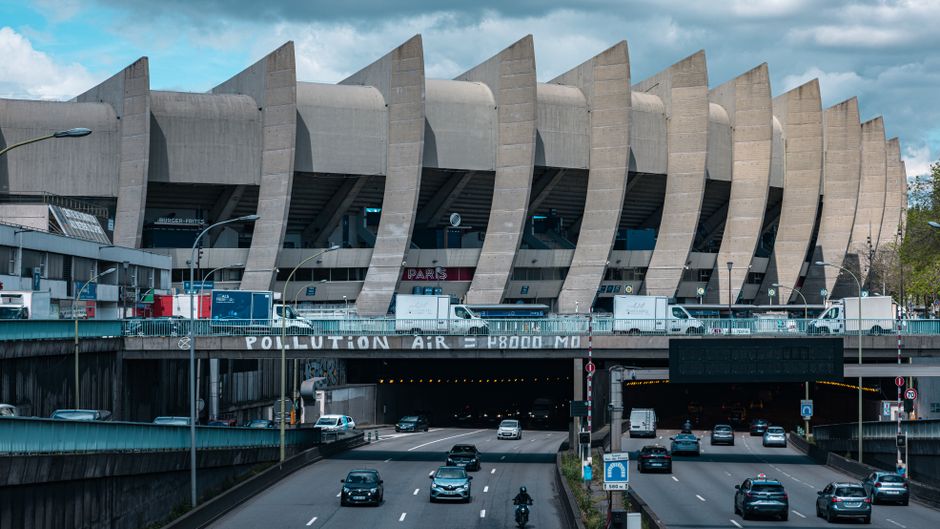
The Stade de France in Saint-Denis, Europe's largest stadium with a capacity of nearly 81,000, has become a focal point for broadcasters covering Cape Verde's matches. Meanwhile, the Parc des Princes in the 16th arrondissement, home to Paris Saint-Germain and steeped in French football heritage, has hosted countless viewing parties where supporters—many with family connections to the archipelago—have gathered to witness history. Local bar owners along Rue de Longchamp report unprecedented demand for reserved seating during Cape Verde fixtures, with some establishments turning away crowds.
What makes this moment particularly significant for Paris's sporting infrastructure is how it underscores the evolving geography of global football fandom. The city's diaspora communities, particularly concentrated in the northern and northeastern quarters—the 18th, 19th, and 20th arrondissements—have transformed neighbourhood cafés into impromptu stadiums. Ticket resellers report that Cape Verde matches have seen some of the highest secondary market premiums in this year's tournament, rivalling traditional powerhouses.
The economic implications extend beyond passion. Hotels near the Champs-Élysées report increased bookings from diaspora members travelling to support their nation, while transport authorities on the RER B line serving Saint-Denis have flagged increased passenger volumes on match days. The municipal authorities in Paris have not officially commented on crowd management protocols, though the Prefecture's events planning division typically coordinates with major venues weeks in advance.
From a broadcast perspective, French television networks have noted the unexpected demographic reach of Cape Verde coverage, particularly among younger viewers aged 18-35 who represent a typically fragmented audience. This has implications for how streaming services and traditional broadcasters allocate resources for future tournaments.
As Cape Verde's journey continues, Paris's stadiums and neighbourhoods remain centres of an astonishing global sports narrative—one where geography, demography, and the raw drama of competition intersect to remind us why football transcends borders.
This article was compiled by AI from the sources linked above and screened before publishing. See our editorial standards.
How does this story make you feel?
Spread the word
About this article
Published by The Daily Paris
Daily brief
Free, in your inbox before 7am. Weekdays.
More in Sport