Paris's Hidden Playground: How Crumbling Facilities Threaten the Next Generation of Athletes
As the city grapples with aging sports infrastructure, grassroots clubs across Paris's neighborhoods face a battle to keep youth programmes alive.
As the city grapples with aging sports infrastructure, grassroots clubs across Paris's neighborhoods face a battle to keep youth programmes alive.
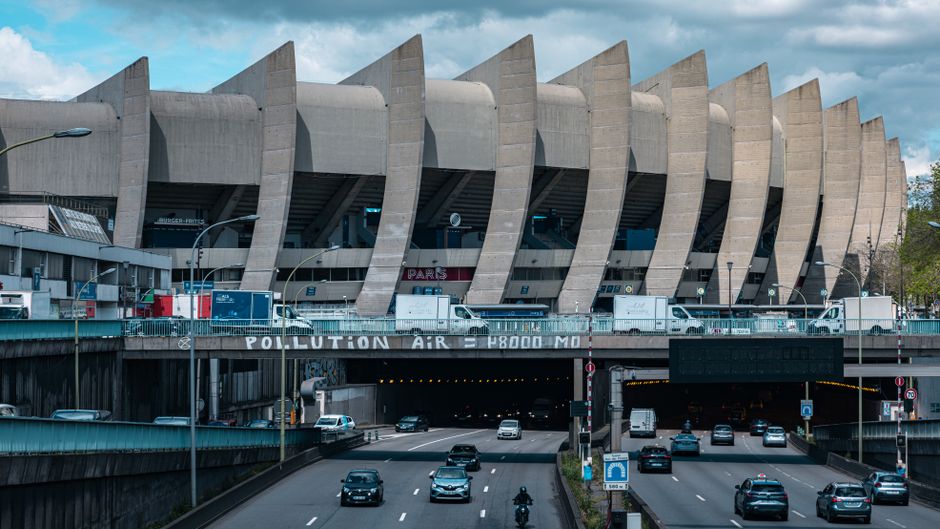
Walk along the Canal Saint-Martin on a summer evening and you'll spot them: teenagers kicking footballs on worn patches of grass, young cyclists navigating potholed paths, swimmers queuing outside municipal pools with peeling paint. These scenes capture the reality of youth sport in Paris—passionate, determined, and increasingly constrained by aging facilities that threaten grassroots development across the city.
The infrastructure gap is particularly acute in peripheral neighborhoods. In the 19th arrondissement, the Parc des Buttes-aux-Cailles hosts dozens of youth clubs, yet its tennis courts date from the 1990s, with surface repairs costing an estimated €800,000 that remain unfunded. Similar stories repeat across Belleville, Vitry-sur-Seine, and the eastern suburbs, where municipal budgets struggle to balance maintenance with expansion.
Paris's 45 municipal sports centres serve approximately 120,000 young athletes weekly, according to the city's sports directorate. However, demand consistently outpaces capacity. Swimming lessons have 18-month waiting lists at facilities like Piscine Joséphine Baker in the 13th, while basketball courts in Montmartre operate at 95% capacity during peak hours. Climbing walls, skateparks, and indoor badminton halls show similar congestion.
The financial squeeze is real. Annual maintenance costs for Paris's public sports infrastructure exceed €12 million, yet the city allocates only €8.3 million annually—a structural deficit that forces difficult choices. Essential repairs take priority over facility modernization, leaving many venues resembling echoes of their former standards.
Yet pockets of innovation offer hope. The refurbished Stade Charlety in the 13th, completed in 2021, demonstrates what investment can achieve: a 20,000-capacity stadium with modern training facilities that serves multiple youth academies. Similarly, private-public partnerships have emerged in areas like La Défense, where corporate-sponsored sports complexes fill gaps left by municipal constraints.
Grassroots clubs themselves have become creative. The Union Sportive de Belleville, founded in 1963, operates from a converted warehouse with volunteer-maintained facilities that punch well above their apparent weight. Yet such resilience cannot substitute for systemic investment.
As Paris prepares for continued growth and international sporting attention, the question looms: can the city modernize its youth sports infrastructure before the next generation seeks opportunities elsewhere? Without decisive action, the city risks squandering the talent pipeline that has produced so many elite athletes—a luxury no global sports capital can afford.
This article was compiled by AI from the sources linked above and screened before publishing. See our editorial standards.
How does this story make you feel?
Spread the word
About this article
Published by The Daily Paris
Daily brief
Free, in your inbox before 7am. Weekdays.
More in Sport