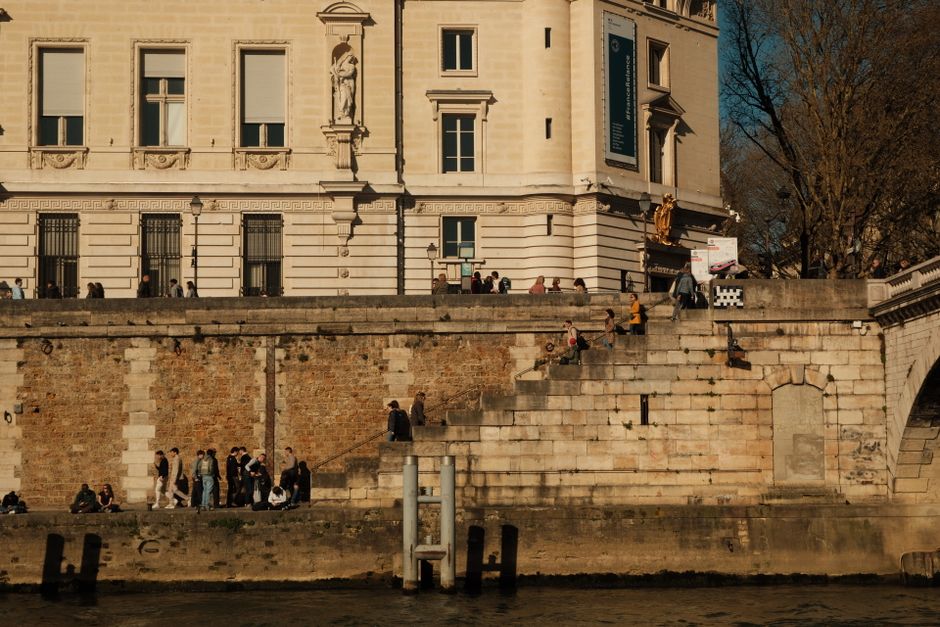
On weekends, the limestone cliffs near Fontainebleau draw thousands from Paris, but the real revolution is happening closer to home. Within the city's 20 arrondissements, a thriving grassroots climbing community has emerged—one built not by corporate gyms or tourism boards, but by dedicated volunteers who saw potential in neglected spaces.
The movement crystallised around converted industrial sites and public walls. In the 13th arrondissement, near the Parc de Bercy, climbing enthusiasts occupy a former warehouse that locals now call "La Falaise Urbaine." Entry costs just €8 per session, with monthly memberships at €45—a fraction of commercial gym rates. The space operates entirely through volunteer management, with experienced climbers donating time to lead instruction classes for children and beginners.
"We started with 40 people in 2021," explains one community organiser working with Paris Grimpeurs, a federation of independent climbing clubs with over 2,000 active members. "Now we have waiting lists." The organisation coordinates weekly meetups across six informal climbing spots, including sections along the Canal Saint-Martin and repurposed walls in Belleville.
What distinguishes this movement is its radical inclusivity. Unlike the polished climbing competitions gaining Olympic attention, grassroots Paris climbing actively recruits from underserved neighbourhoods. Youth programmes in the 19th and 20th arrondissements offer free sessions, subsidised by member donations and small grants from local mairies. Last year, these initiatives reached over 300 young people who'd never previously considered climbing as accessible.
The economic model reflects this ethos. Equipment-sharing libraries have emerged across the city, reducing the €200-400 entry barrier for personal gear. Second-hand markets operate monthly at venues like Jardin Catherine-Labouré in the 15th, where climbers exchange ropes, harnesses, and shoes at sustainable prices.
Social media has amplified the movement's reach. Instagram accounts dedicated to "hidden climbing spots" now attract followers from across Europe, yet the community remains fiercely protective of its non-commercial identity. Safety remains paramount—volunteers complete certification courses, and accident rates remain negligible across all grassroots sites.
As extreme sports gain mainstream visibility, Paris's climbing community demonstrates an alternative path: one where passion precedes profit, access trumps exclusivity, and a diverse city finds common ground on vertical stone. That's the real summit worth reaching.
This article was compiled by AI from the sources linked above and screened before publishing. See our editorial standards.