Paris has undergone a quiet but unmistakable transformation in its fitness infrastructure over the past three years. Where once the city's athletic culture centred on football clubs and municipal pools, a new ecosystem of high-spec gyms, CrossFit boxes, and specialist training facilities is now reshaping how Parisians approach physical conditioning.
The numbers tell the story. According to Paris Chamber of Commerce data, gym memberships across the city grew by 18 percent between 2023 and 2025, with the average annual cost for premium facilities now ranging from €800 to €1,400—a significant investment that signals serious commitment among members. The growth has been concentrated in affluent arrondissements, particularly the 4th, 6th, and 8th, where new facilities have opened almost annually.
In the Marais, the recently expanded Équilibre Fitness complex on Rue de Turenne now spans three floors with dedicated zones for strength training, functional conditioning, and Olympic lifting—a rarity in Paris's traditionally compact fitness landscape. Nearby, smaller boutique operators like Neou on Rue des Francs-Bourgeois have capitalised on the trend toward specialisation, offering AI-powered training pods and live-streamed classes that attract the city's younger, digitally-native demographic.
The Left Bank, historically more cerebral than athletic, has seen explosive growth in CrossFit and functional training. At least seven dedicated boxes now operate between Boulevard Saint-Germain and Rue Mouffetard, serving a community that previously would have travelled to suburbs like Boulogne-Billancourt for serious strength work. This decentralisation has democratised access—previously, serious lifters had little choice but to migrate outward.
Yet infrastructure expansion reveals structural imbalances. While the 6th and 8th arrondissements now boast cutting-edge facilities with Olympic-standard equipment, outer districts like the 13th and 15th remain underserved, with municipal pools and older gym stock still dominating. This disparity mirrors Paris's broader economic geography, raising questions about equity in athletic access.
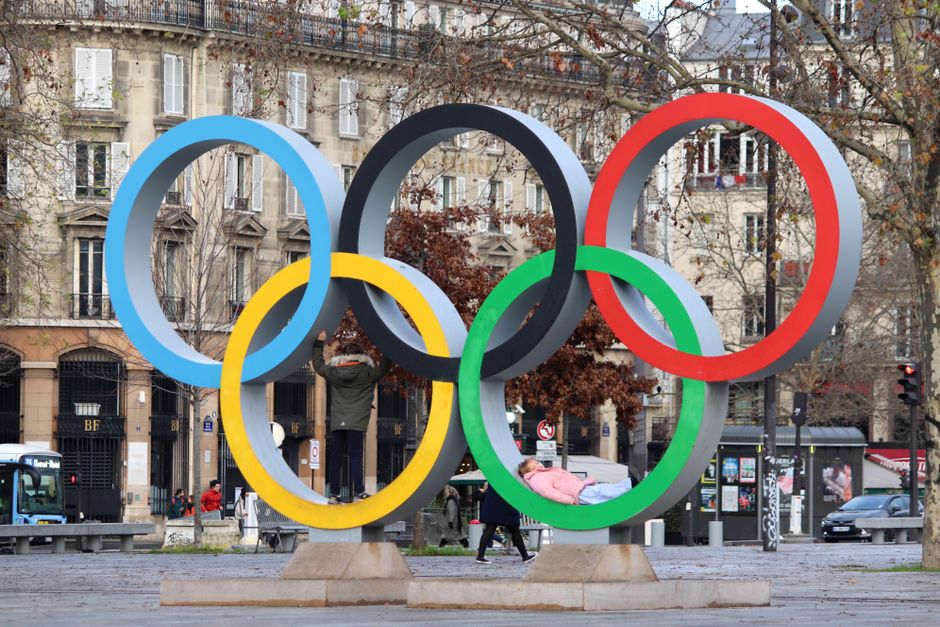
City officials have begun addressing the gap. The Paris 2024 Olympic legacy has prompted investment in neighbourhood training centres, particularly in southeastern districts. The Aquaboulevard complex in the 15th, modernised in 2024, now includes dedicated strength zones alongside its traditional pool infrastructure—a model other public facilities are beginning to adopt.
For serious athletes and casual fitness enthusiasts alike, the message is clear: Paris's gym culture is no longer an afterthought to the city's classical sporting traditions. With professional-grade facilities now embedded throughout central arrondissements, local training infrastructure finally matches the ambition of those willing to invest in it.
This article was compiled by AI from the sources linked above and screened before publishing. See our editorial standards.