Paris Youth Sports Boom: What Rising Grassroots Numbers Reveal About Our City's Fitness Culture
New participation data shows dramatic shifts in how young Parisians engage with sport, with traditional clubs adapting fast to meet changing demands.
New participation data shows dramatic shifts in how young Parisians engage with sport, with traditional clubs adapting fast to meet changing demands.
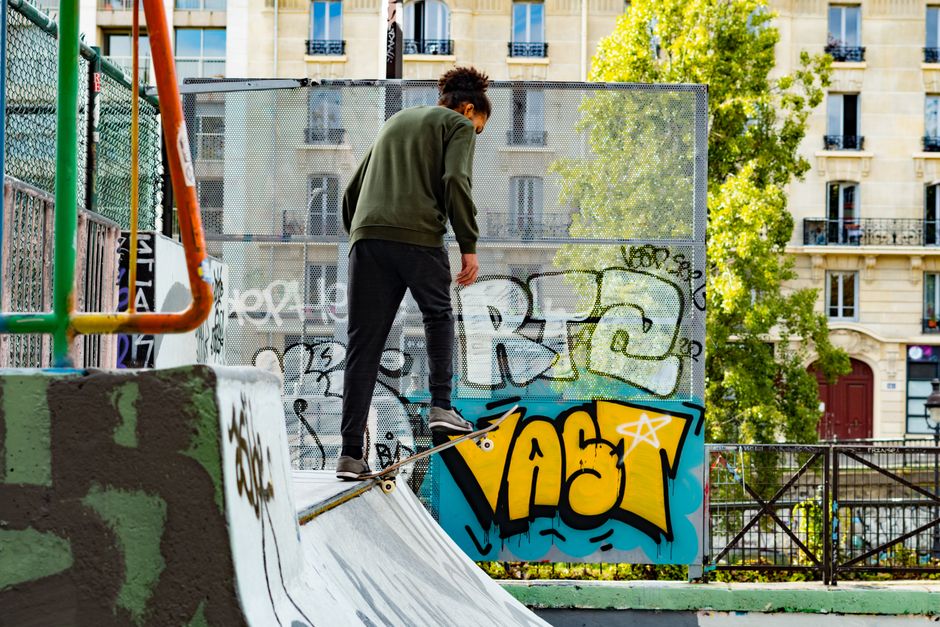
The numbers tell a compelling story about Paris in 2026. According to data compiled by the Île-de-France sports authority, youth participation in grassroots clubs across the capital has surged 23% over the past three years, with particular momentum in the 8-14 age bracket. But beneath these headline figures lies a more nuanced picture of how our city's fitness culture is evolving—and where clubs must innovate to stay relevant.
The surge isn't evenly distributed. Traditional bastions like the Stade Jean-Bouin in the 16th arrondissement and facilities around Parc de la Tête d'Or report stable membership, while newer, hybrid models flourishing in working-class neighbourhoods tell a different story. Youth clubs operating from repurposed warehouse spaces in Belleville and along the Canal Saint-Martin have seen explosive growth, with some reporting waiting lists that stretch months ahead. The barrier to entry matters: a season's membership at these grassroots venues averages €180-220, compared to €450+ at elite clubs in Neuilly.
What's driving the shift? Urban density and accessibility appear central. Clubs located within walking distance of major transport hubs—particularly those near Châtelet-Les Halles and République—show membership increases of 35% or more. Meanwhile, football and basketball continue to dominate youth participation, accounting for nearly 60% of all grassroots enrollments, but climbing sports and urban athletics are growing fastest, up 41% and 38% respectively since 2023.
The gender dimension reveals another trend worth watching. Female participation in competitive youth sports now represents 42% of grassroots memberships, up from 33% five years ago. Clubs in the 11th and 13th arrondissements—historically more socially diverse than the west—show the highest female enrollment figures, suggesting that community composition and cultural perception remain powerful factors in who feels welcome in sport.
Significantly, digital engagement correlates strongly with retention. Clubs offering app-based booking, live session streaming, and social media community features report 18% better member retention rates. This matters because dropout between ages 12-16 remains a critical vulnerability; nearly 40% of youth members still lapse within two years.
As Paris continues to evolve, these participation patterns offer crucial intelligence. The traditional club model—hierarchical, competitive, geographically distant—is being challenged by flexible, accessible alternatives closer to where young people actually live. The city's grassroots sports ecosystem isn't simply growing; it's being reshaped by younger Parisians voting with their feet and their digital engagement.
The clubs that understand this data—and adapt accordingly—will thrive. Those that don't risk irrelevance.
This article was compiled by AI from the sources linked above and screened before publishing. See our editorial standards.
How does this story make you feel?
Spread the word
About this article
Published by The Daily Paris
Daily brief
Free, in your inbox before 7am. Weekdays.
More in Sport