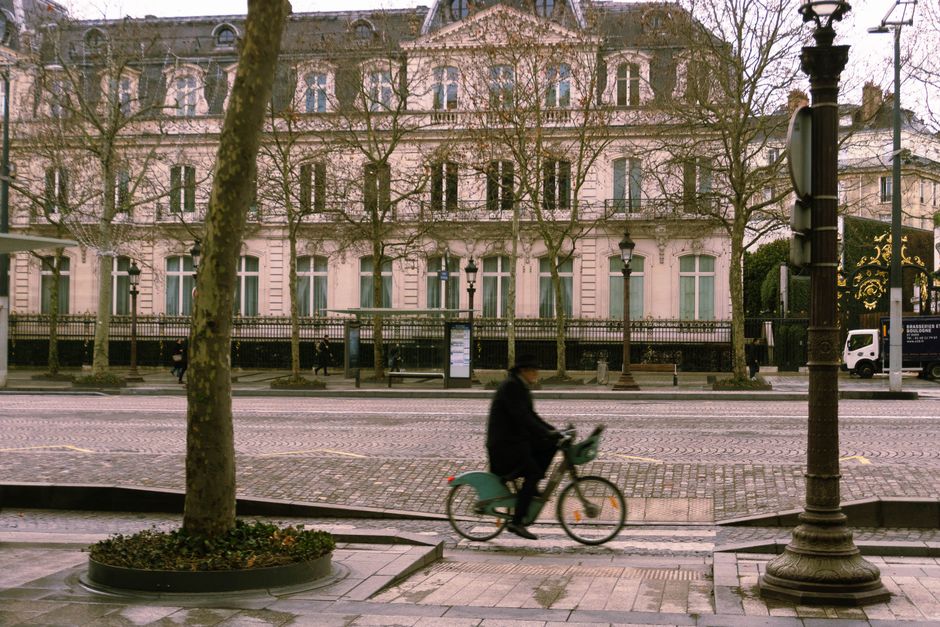
When the Paris Marathon returns this April, roughly 55,000 runners will thunder across the city's streets—a testament not just to the event's global appeal, but to the infrastructure quietly built behind the scenes to support endurance athletes year-round. The transformation has been dramatic.
The Promenade de la Vallée de Chevreuse, a 50-kilometre cycling and running corridor stretching from the 5th arrondissement southwestward through the suburban Hauts-de-Seine, has become the backbone of regional endurance training. Free to use and impeccably maintained, it draws thousands weekly. Meanwhile, the Seine itself has undergone a renaissance: the newly completed Left Bank cycle path from Pont de l'Alma to Pont de Bir-Hakeim now provides uninterrupted access for cyclists and runners, with dedicated water stations every 2 kilometres.
For serious triathletes, the Piscine Molitor in the 16th arrondissement remains the gold standard, though its €180 monthly membership reflects its prestige. More accessible alternatives like the Aquatic Centre Élise-et-Pythéas in the 12th (€65 monthly) offer Olympic-standard 50-metre pools. The Bois de Boulogne, stretching across 845 hectares on Paris's western edge, provides 30 kilometres of marked running trails and dedicated cycling routes that remain largely traffic-free—a rarity in central Europe.
The infrastructure surge reflects data: participation in local running clubs has grown 23 per cent since 2022, with organisations like Paris Athlétisme and ASPTT Paris now boasting over 12,000 combined members. The city council's €40 million investment in sports facilities between 2023 and 2026 has prioritised endurance infrastructure, recognising both the public health angle and the economic draw of hosting major events.
What distinguishes Paris's approach is accessibility layered with aspiration. The Canal Saint-Martin offers a scenic 4.5-kilometre traffic-free running corridor through the 10th and 11th arrondissements, free and unregulated. Yet for those seeking structured training, the Stade Jean-Drouais in the 14th hosts track sessions at competitive rates. Triathlon-specific venues like the Centre Nautique des Îles in Boulogne-Billancourt integrate open-water swimming facilities with cycling transition zones—a luxury most European cities lack.
Six months before the 2028 Summer Olympics, Paris's endurance sport ecosystem feels purpose-built yet lived-in. The infrastructure wasn't created overnight; it evolved through small investments, community advocacy, and a quiet recognition that lasting sporting culture requires more than marquee events. It requires places for ordinary athletes to train.
This article was compiled by AI from the sources linked above and screened before publishing. See our editorial standards.