On a humid Tuesday evening in the 13th arrondissement, the Piscine Joséphine Baker thrums with activity. Swimmers cut through the water in synchronized strokes while lifeguards scan the pools with practised vigilance. But the real energy pulse here isn't just about competitive times—it's about community roots that run deeper than chlorine-scented waters.
Paris's water sports clubs have experienced a remarkable revival over the past three years, with membership across municipal pools climbing by nearly 28 percent according to data from the Ville de Paris sports department. The phenomenon extends beyond casual swimmers. Clubs like the Cercle de Natation de la Samaritaine, nestled near the restored Notre-Dame precinct, and the Aquatique Club du Marais have become anchors in their neighbourhoods, offering everything from competitive training to family-oriented aquatic fitness.
"We've seen an explosion of interest in water-based activities," says the director of operations at the Piscine Pontoise in the Latin Quarter, one of the city's oldest facilities. "People aren't just looking for exercise—they're seeking belonging." Monthly memberships at municipal facilities range from €35 for recreational swimmers to €85 for competitive programmes, making aquatic sport accessible across socioeconomic boundaries.
The clubs themselves have become particularly ingenious in their outreach. The Club Nautique de la Villette, serving the multicultural 19th arrondissement, now offers swimming instruction in five languages and has partnered with local schools to introduce water safety to over 1,200 children annually. Meanwhile, adaptive swimming programmes at the Piscine des Halles cater to individuals with disabilities, creating genuinely inclusive aquatic spaces.
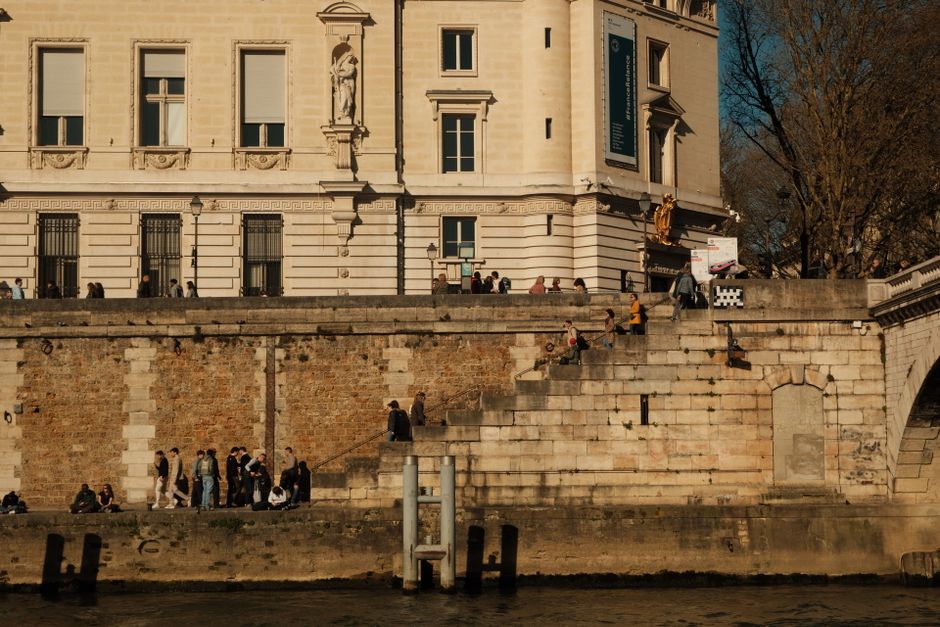
Beyond traditional pools, the Seine itself has become a focal point. Following the successful water quality improvements ahead of the 2024 Olympics trials, open-water swimming clubs have flourished. The Paris Triathlon Club now organizes monthly swims along designated sections of the river, drawing participants from across the Île-de-France region and fostering an unexpected river revival culture.
The social impact extends into mental health and wellness conversations. Local clubs report that their community events—from family swim days to aqua-aerobics classes—have become therapeutic spaces, particularly for older residents and those managing stress. The Piscine Reuilly in the 12th arrondissement hosts a "Senior Aquatic" programme that combines fitness with social connection, attracting over 400 regular participants.
As Paris continues to position itself as Europe's most liveable capital, these water sports clubs demonstrate how institutional spaces can transcend their original purpose, becoming genuine civic gathering places that nourish both body and social fabric.
This article was compiled by AI from the sources linked above and screened before publishing. See our editorial standards.