Sydney councils tighten design rules as density push reshapes inner suburbs
New planning frameworks targeting architectural quality and street-level activation are reshaping what gets built—and how—across Sydney's most sought-after neighbourhoods.
New planning frameworks targeting architectural quality and street-level activation are reshaping what gets built—and how—across Sydney's most sought-after neighbourhoods.
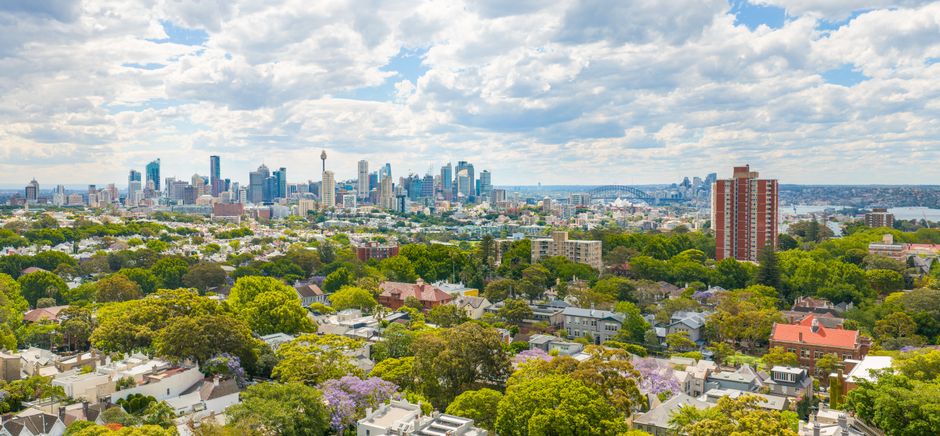
Sydney's inner-ring councils are quietly engineering a quiet revolution in how the city densifies. Rather than simply allowing more apartments, planning departments from Marrickville to Manly are imposing stricter design overlays, heritage transitions, and street-activation requirements that are fundamentally changing what developers can—and will—build.
Inner West Council's revised Marrickville precinct controls, updated earlier this year, now mandate deep-soil landscaping on 20 per cent of residential sites, require 40 per cent affordable housing in schemes above 50 units, and impose mandatory setbacks on buildings overlooking heritage terraces. The changes mean fewer 'wedding cake' towers stepping down to Victorian streetscapes, and smaller overall yields per hectare than the previous planning regime allowed.
"You're seeing a recalibration," explains planning consultant Tom Richardson, who advises on Inner West and Northern Beaches projects. "Councils are saying: yes to density, but not at the expense of livability, street trees, or neighbourhood character." With NSW median prices holding around $1.4 million and inner-ring properties commanding premiums of 30–50 per cent above that, the pressure to maximize returns has been intense. New rules are a circuit-breaker.
Willoughby Council has gone further, introducing mandatory "active ground floor" requirements on King Street and Miller Street—forcing developers to eliminate blank concrete walls in favour of cafés, retail, or community uses. Strathfield Council is piloting similar measures along The Boulevarde, recognising that density without animation simply creates expensive ghost streets.
The Northern Beaches, traditionally protective of low-density character, has paradoxically embraced controlled uplift. Revised planning for Dee Why and Brookvale now allows 6–8 storeys near transport nodes, but only if buildings incorporate heritage-scaled facades, podium-and-tower separation, and public plaza contributions. It's density with conditions.
Developers report the new frameworks are slowing approvals by 4–8 weeks on average, but softening community opposition. When design quality is locked in at planning stage, objections tend to decline. The trade-off is tighter margins and smaller pipelines—less speculative land banking, more disciplined projects.
For buyers, the implications are mixed. More supply should ease pressure on median prices, but in locations where design overlays restrict building envelope, scarcity premiums may persist. Inner West apartments in walkable pockets near Marrickville station or King Street remain highly contested. Meanwhile, slower greenfield churn means established suburbs retain their character longer, potentially justifying price resilience.
As Sydney grapples with housing supply targets and migration demand, councils have discovered a third way: growth that doesn't sacrifice what made these neighbourhoods desirable in the first place.
This article was compiled by AI from the sources linked above and screened before publishing. See our editorial standards.
How does this story make you feel?
Spread the word
About this article
Published by The Daily Sydney
Daily brief
Free, in your inbox before 7am. Weekdays.
More in Property