Strathfield emerges as Sydney's highest-yield rental hotspot for savvy property investors
While inner-ring suburbs command premium prices, this Inner West pocket is delivering returns that outpace the broader market.
While inner-ring suburbs command premium prices, this Inner West pocket is delivering returns that outpace the broader market.
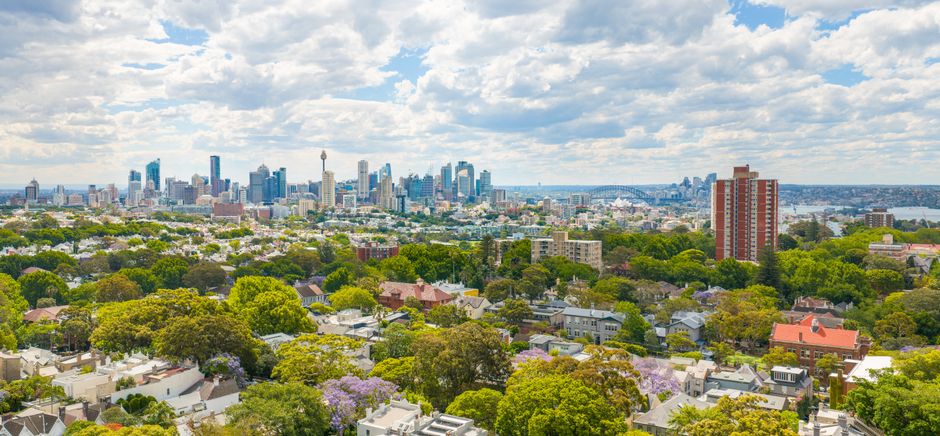
In a market where median values hover around $1.4 million and clearance rates teeter between 65 and 72 per cent, Strathfield has quietly become a haven for investors chasing rental yield over capital growth alone.
The suburb, nestled between Parramatta Road and the M4, is recording gross rental yields of 4.8 to 5.2 per cent—well above Sydney's broader average of 3.2 per cent. For investors buying into the $950,000 to $1.2 million price bracket, that differential translates to meaningful weekly cashflow.
The formula is straightforward. Strathfield offers the accessibility of the Inner West without the premium pricing of Marrickville or Glebe. A two-bedroom terrace on Klanka Avenue or near Strathfield train station—a major commuter hub on the T1 line—will typically rent for $2,100 to $2,400 per week, positioning it as an attractive option for young professionals and migrant families drawn to Sydney's western corridor.
"The migration demand isn't slowing," explains the local real estate market dynamics. Proximity to Western Sydney University, Canterbury Hospital, and the Strathfield Business Park creates a stable tenant base less vulnerable to market volatility than speculative buy-to-sell investors.
The suburb's infrastructure amplifies its appeal. Strathfield Plaza underwent significant redevelopment, the train station underwent upgrades, and the broader precinct benefits from the Parramatta Road upgrade corridor. Restaurants and cafés along Strathfield Road—including stalwarts like the local Greek precinct—provide the sort of community texture that attracts longer-term renters.
Supply constraints also work in landlords' favour. Unlike boom-era developments that flooded inner-ring markets with units, Strathfield's housing stock remains predominantly residential and relatively tight. New dwelling approvals remain modest, underpinning rental demand.
The trade-off is foreseeable. Capital growth has been modest—typically 3 to 4 per cent annually over the past five years—compared to the 6 to 8 per cent trajectory of Paddington or Crows Nest. For investors prioritising long-term yield and stable cashflow over rapid equity appreciation, that's a feature, not a bug.
As higher interest rates persist and property cycle theories suggest we're entering a stabilisation phase, suburbs like Strathfield are attracting investors recalibrating their strategy. The combination of achievable entry prices, above-market yields, and structural tenant demand suggests this spotlight won't dim soon.
This article was compiled by AI from the sources linked above and screened before publishing. See our editorial standards.
How does this story make you feel?
Spread the word
About this article
Published by The Daily Sydney
Daily brief
Free, in your inbox before 7am. Weekdays.
More in Property