Paris Rewrites Its Planning Rules — and the Development Market Is Already Repricing
A sweeping revision to the capital's local urban plan is reshaping where builders can go, what they can build, and what buyers will pay for it.
A sweeping revision to the capital's local urban plan is reshaping where builders can go, what they can build, and what buyers will pay for it.
Paris City Hall confirmed last month that the revised Plan Local d'Urbanisme bioclimatique — the PLU-b, as planners and developers have taken to calling it — will take full legal effect on 1 September 2026, ending two years of consultations that kept large swaths of the city in a state of regulatory limbo. The decision is already moving prices.
The stakes are unusually high right now. Construction costs across the Île-de-France region remain roughly 18 percent above their 2021 levels, financing has only partially loosened since the European Central Bank's rate cuts earlier this year, and the Grand Paris Express is pushing commuter logic — and therefore land values — into territory that was unthinkable a decade ago. Any rule change that alters what can be built, how tall, and on what footprint lands in an acutely sensitive market.
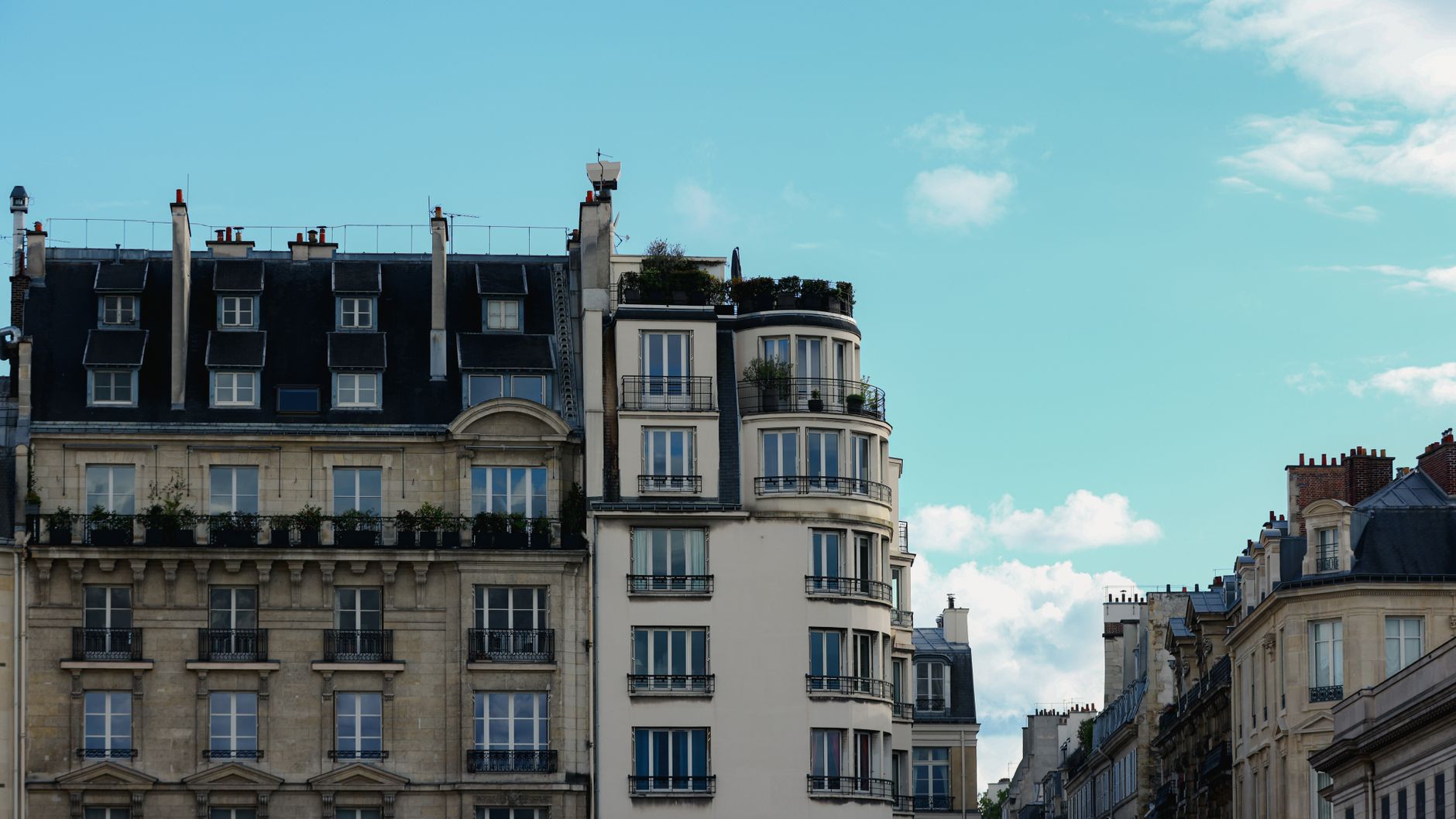
The PLU-b introduces tighter limits on demolition in the 19 arrondissements that retain significant pre-Haussmann or interwar building stock, while simultaneously opening larger envelopes for mixed-use development along several designated axes. The Boulevard périphérique corridor — long a no-man's-land between Paris proper and the inner suburbs — is specifically identified as a zone where height restrictions can rise from the current 25-metre cap to 37 metres under certain conditions, provided projects include at least 30 percent affordable social housing units.
That trade-off is deliberate. The Atelier Parisien d'Urbanisme, the city's official urban planning agency known as APUR, flagged in its March 2026 technical report that central arrondissements are effectively built out. Nearly 92 percent of land in arrondissements 1 through 8 carries some form of heritage or density protection. Growth has to go somewhere, and the périphérique corridor — particularly around Porte de la Chapelle and Porte de Montreuil — is the political answer.
Two specific projects illustrate how developers are reading the new environment. A mixed-use tower scheme on the Rue de l'Évangile in the 18th arrondissement, which had been stalled since early 2024 pending PLU-b clarification, received a positive pre-instruction notice from the Direction de l'Urbanisme in June. Separately, a residential conversion scheme on the former Entrepôts Macdonald site — a vast logistics warehouse on the Boulevard Macdonald in the 19th — has been resubmitted with a revised programme that now includes 187 additional housing units made viable by the new density calculations.
Average prices across Paris sit near €10,200 per square metre, but that number masks extreme divergence. New-build programmes in the 9th and 10th arrondissements are transacting at between €12,500 and €14,000 per square metre for T3 and T4 apartments with good exposures. The périphérique zones where the PLU-b now permits taller builds are still delivering at €8,400 to €9,100 per square metre — a discount that reflects both perceived location risk and the time lag before Grand Paris Express stations at Porte de Clichy and Saint-Denis Pleyel reach full operational maturity, expected by late 2027.
Promoteurs who moved early — notably Nexity and Bouygues Immobilier, both of which lodged revised permitting dossiers within days of the September implementation date being confirmed — are positioned to capture that gap before it closes. Smaller regional operators are watching and calculating whether the social housing requirement erodes margin to the point of making périphérique sites unattractive, or whether land price adjustments will compensate.
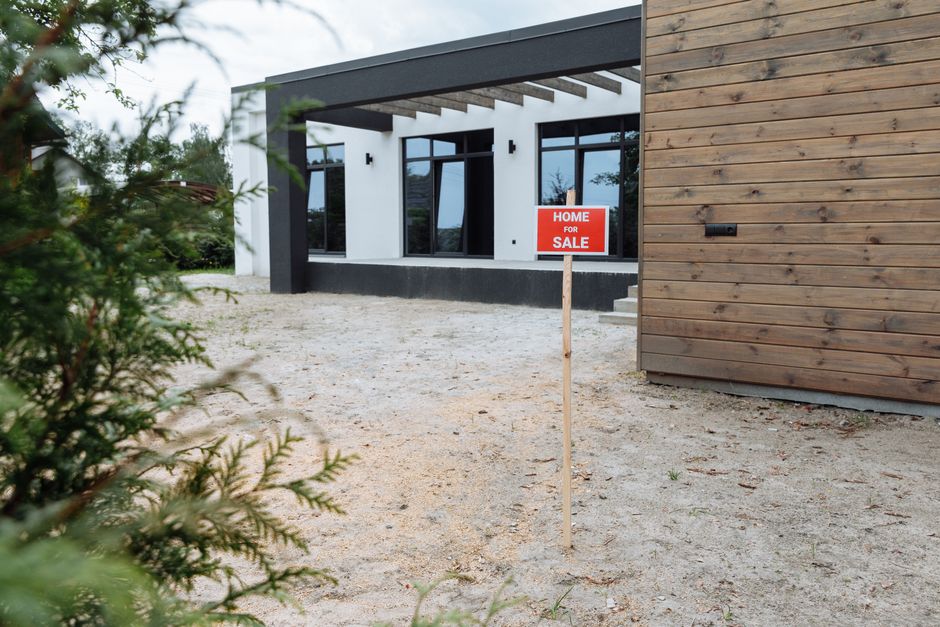
For private buyers, the practical implication is timing. Projects that received building permits under the old PLU rules before 1 September will be completed under those rules; anything permitted after that date must conform to the new bioclimatic standards, which add an estimated €180 to €240 per square metre in construction cost for insulation, ventilation, and green roof requirements. Buyers purchasing off-plan from September onwards should factor that into their price-per-square-metre negotiations — and ask specifically which regulatory regime their contract was priced under.
How does this story make you feel?
Spread the word
About this article
Published by The Daily Paris
Daily brief
Free, in your inbox before 7am. Weekdays.
More in Property