Where Paris Yields: The Arrondissements Delivering Real Returns for Property Investors
Gross rental yields in the French capital tell a story of two cities — and the numbers increasingly favour the periphery over the postcard districts.
Gross rental yields in the French capital tell a story of two cities — and the numbers increasingly favour the periphery over the postcard districts.

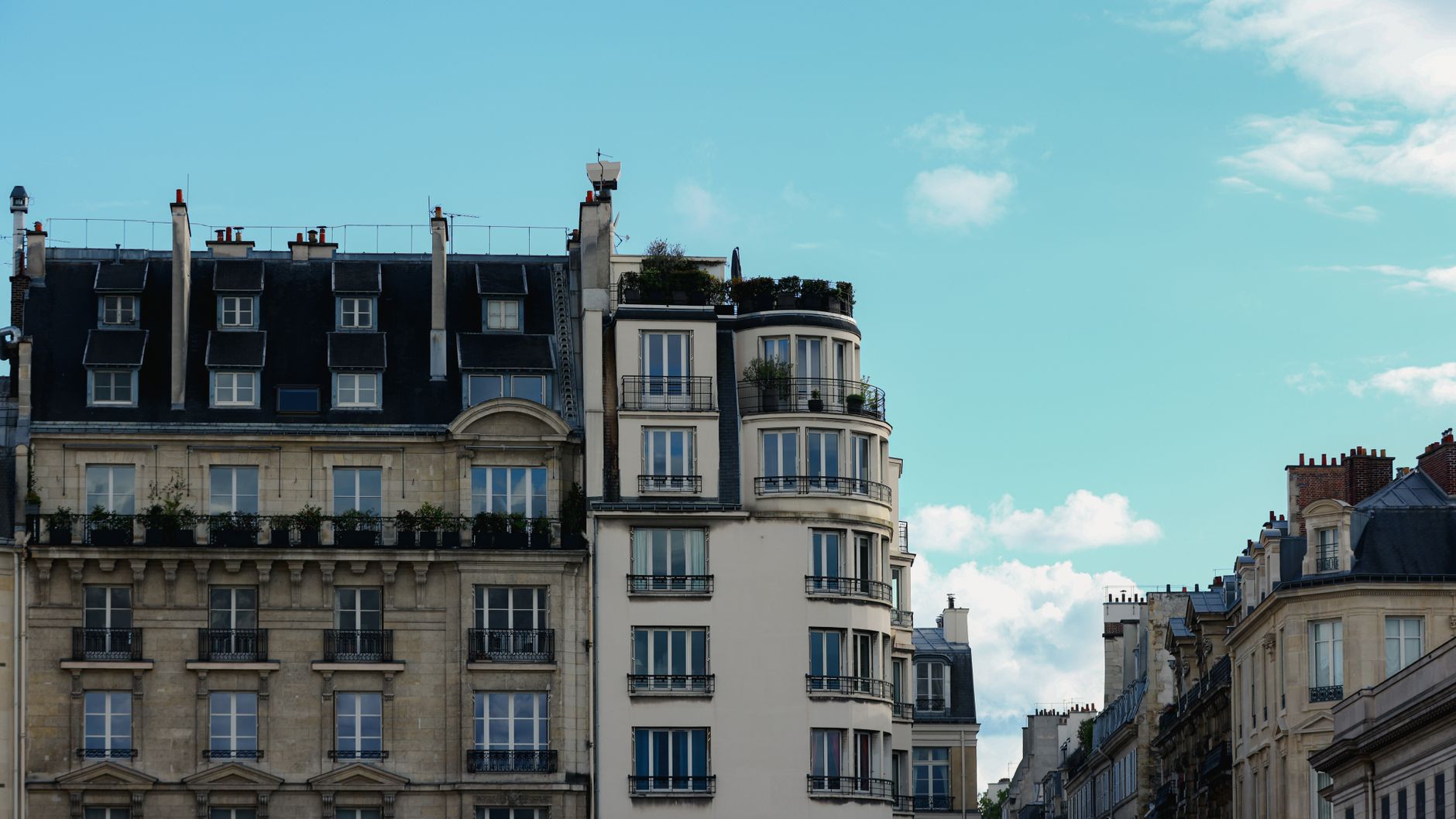
Investors chasing yield in Paris are abandoning the 7th arrondissement and looking east. New transaction data compiled for the first half of 2026 shows gross rental yields in the 19th and 20th arrondissements averaging 4.2 percent — more than double the 1.8 percent squeeze buyers are accepting near the Champ-de-Mars. The gap has never been wider.
The timing matters. The Grand Paris Express — the €36 billion metro expansion reshaping commuter geography around the capital — is now running its Line 15 South section and is scheduled to open the Saint-Denis Pleyel interchange hub before the end of 2027. That single infrastructure fact is repricing whole quartiers that most Parisian investors ignored for a decade.
Take Pantin, the Seine-Saint-Denis commune that shares a border with the 19th arrondissement. Average purchase prices there sit at roughly €4,800 per square metre — less than half the city-wide average of €10,000 per square metre — while rents have climbed steadily since the completion of the Bobigny–Pablo Picasso metro station upgrades on Line 5. A 45-square-metre flat on the Rue du Pré-Saint-Gervais side of Pantin bought at market rate today and rented at the prevailing €950 per month produces a gross yield comfortably above 4.5 percent before charges.
Aubervilliers is the other name on every serious investor's desk right now. The commune sits directly on the future Grand Paris Express Line 15 and Line 12 interchange at Fort d'Aubervilliers. Prices there have moved from approximately €3,600 per square metre in early 2024 to €4,300 today — a gain of nearly 20 percent in under 30 months — yet yields have held because rents are moving in parallel. The Agence Nationale pour la Rénovation Urbaine, known as ANRU, has two active renovation contracts in the commune, which is compressing the supply of worn stock and supporting the rental market simultaneously.
Within Paris's own boundaries, the 9th and 11th arrondissements remain the most defensible mid-market positions. The stretch of Rue des Martyrs running north from Notre-Dame-de-Lorette into the 18th is seeing studio and one-bedroom transactions at €8,500 to €9,200 per square metre, producing yields of around 2.9 to 3.1 percent gross — tight by peripheral standards but well above the 1st through 8th, where capital is essentially parked rather than worked.
Raw yield figures understate the risk-adjusted picture. Vacancy rates in the 19th arrondissement currently run at around 3.8 percent, against a long-term Paris average closer to 5.5 percent, according to figures from the Observatoire des Loyers de l'Agglomération Parisienne published in April 2026. That tight vacancy is partly structural — the encadrement des loyers rent-control regime, which the City of Paris re-extended to all 20 arrondissements in 2023, is suppressing turnover as tenants cling to regulated contracts.
Rent control cuts both ways. It limits the upside landlords can capture on re-lets but it also acts as a floor, protecting income in downturns. For investors used to the volatility of London's outer boroughs or Madrid's Vallecas district, that regulatory certainty is increasingly treated as a feature rather than a constraint.
The practical advice for investors entering in the second half of 2026 is straightforward. Target properties within 800 metres of a confirmed Grand Paris Express station opening before 2030, prioritise communes with active ANRU contracts — Aubervilliers, Saint-Ouen, and Vitry-sur-Seine all qualify — and build vacancy assumptions of no worse than 4 percent into any model. Anything bought at current Pantin or Aubervilliers prices and held for seven years will likely benefit from both yield income and capital appreciation, as the infrastructure premium gets priced in by buyers who are, right now, still sitting on the sidelines.
How does this story make you feel?
Spread the word
About this article
Published by The Daily Paris
Daily brief
Free, in your inbox before 7am. Weekdays.
More in Property