How Much Rent is Too Much? The 30% Rule in Practice for Paris Tenants
As Paris rents climb, The Daily Paris examines whether the classic ‘one-third salary’ threshold still makes sense for city renters.
As Paris rents climb, The Daily Paris examines whether the classic ‘one-third salary’ threshold still makes sense for city renters.
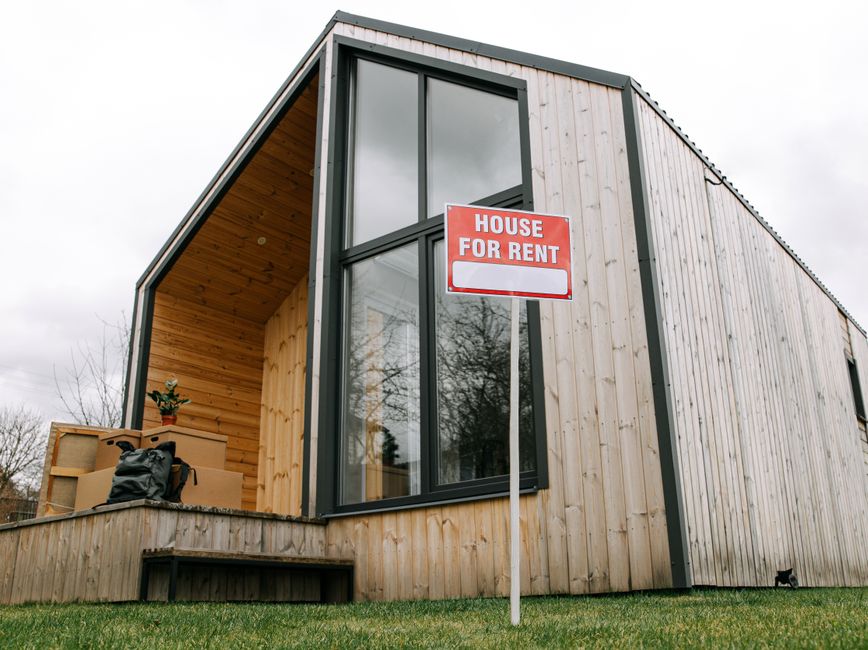
For many Parisians, handing over more than a third of their income to their landlord has become the norm. In the buzzing eleventh arrondissement, a one-bedroom on Rue Oberkampf now commands upwards of 1,400 euros each month—leaving many tenants wondering if the old 30% rule for rent is still realistic.
Rising rents and stagnant wages have sharpened debate about affordability across Paris. The city’s population is still marked by the shock of last month’s heatwave, which cost over 2,000 lives and highlighted urban inequalities, as families crowded fanless apartments during record temperatures. For renters, the question of how much is too much has become urgent as prices edge ever higher, crowding out other essentials and upending the delicate Parisian budgeting act.
The 30% rule—that rent should not exceed one-third of gross income—originated in 20th-century U.S. housing policy, but it’s a familiar benchmark for French landlords and agencies from Foncia to Orpi. Under the city’s current rent control scheme, the encadrement des loyers, landlords aren’t supposed to charge above a set ceiling (for example, 41.51 euros/sqm for a furnished flat in the 2nd arrondissement as of July). Yet, even with such protections, tenants find themselves squeezed. On Rue du Faubourg Saint-Martin, studio rents regularly top 950 euros—a monthly sum impossible for hundreds of thousands of workers in Paris’s hospitality and retail sectors, where median wages hover well below 2,200 euros before tax.
Social housing group Paris Habitat reports nearly 250,000 applicants waiting for one of its affordable apartments. Many give up and turn to the brisk private rental market, competing with students and newcomers drawn to the city’s jobs and its culture. "Our client base is spending much closer to 40 percent of income on rent," said an unnamed manager at a leading rental agency headquartered near Bastille. "For those living alone, it’s often higher."
The latest figures from l’INSEE show that the average Paris rent hit 35.8 euros/sqm in the first quarter of 2026—when matched with the city’s average net salary of 2,367 euros per month, even a modest 30-sqm flat will consume nearly half a worker’s take-home pay. For families hoping to buy instead of rent, the reality can be even starker. Central districts like the 7th or 6th hover near 15,000 euros per sqm, putting basic home ownership out of reach for all but the city’s wealthiest residents.
Specific budgets tell the story as sharply as any statistic. At the Caisse d’Allocations Familiales offices on Boulevard Ney, caseworkers see Paris families spend over 40% of income on housing, forcing them to cut essentials or seek support from Aide personnalisée au logement (APL), the state’s rental subsidy program. Despite government efforts to freeze rent increases and expand social housing, waiting lists continue to grow.
In practice, for the majority of renters in Paris, the 30% guideline functions less as a rule and more as an aspiration. As the city heads into a summer predicted to bring even more heat and economic uncertainty, tenants are bracing for further strain.
The best advice for prospective renters: scrutinise your budget, factor in all monthly costs, and explore options outside Paris’s central core, where rents drop significantly once you cross the ring road into areas like Montreuil. For now, the 30% rule remains a measuring stick—even if few can actually meet it.
How does this story make you feel?
Spread the word
About this article
Published by The Daily Paris
Daily brief
Free, in your inbox before 7am. Weekdays.
More in Property