On Rue Hoche, just steps from the Canal de l’Ourcq, new coffee shops with industrial lighting and natural wine bars stand next to halal butchers and discount clothing stores. This contrasting stretch in Pantin, the northeastern Paris suburb long overlooked by investors, is now the unlikely epicentre of a property boom fuelled by young professionals priced out of the city centre.
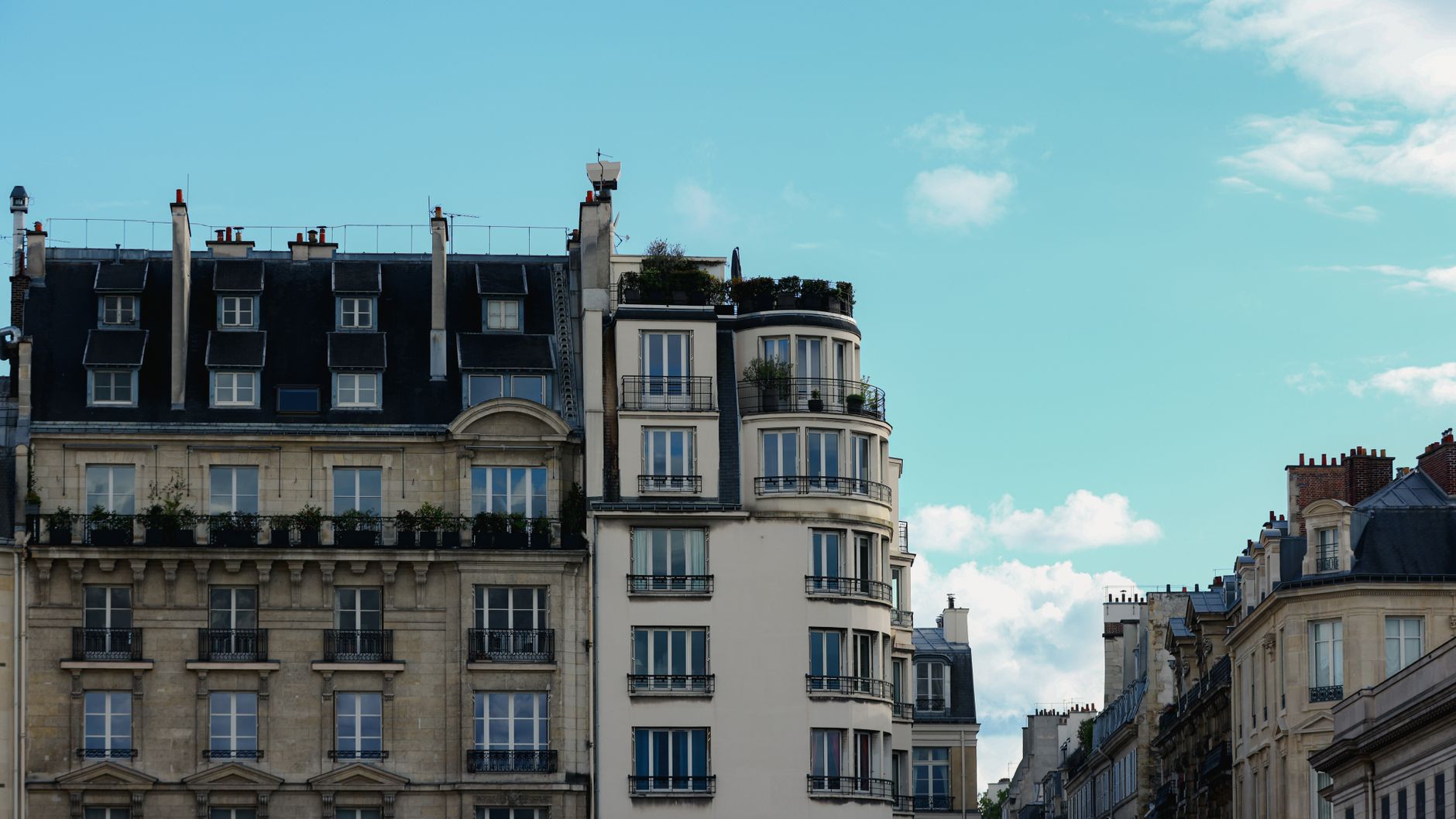
Pantin’s transformation comes at a pivotal moment for greater Paris. While central arrondissements from the Marais to Saint-Germain-des-Prés push average prices above EUR 13,000 per square metre, stretches of Seine-Saint-Denis like Pantin offer proximity to the capital for half as much. The draw: easy metro access, gritty charm, and a cultural scene nurtured by organisations like Les Magasins Généraux, whose artist studios and riverside exhibitions now draw foot traffic from across the city. With the 2024 opening of improved metro line 5 links and Tramway T3b, Pantin has become more accessible than ever.
Pantin’s Makeover: From Industry to Innovation
Just over the border from Paris’s 19th arrondissement, Pantin’s urban face is changing block by block. The former Grands Moulins flour mill is now a cultural landmark owned by BNP Paribas, housing architecture startups and creative agencies. Around Place Olympe-de-Gouges, street art projects led by MUR Pantin jostle for wall space beside boutiques and emerging culinary addresses, like Sando Club and Maison Plan B. Nearby, the municipal initiative "Réinventer Pantin" has been converting derelict manufacturing sites into mixed-use developments oriented towards co-working and affordable rental housing.
France’s notaires recorded a striking 16.3% rise in average resale apartment values in Pantin between 2022 and early 2026, with the latest figures from January showing a median price of EUR 6,280 per square metre. That’s up from EUR 5,400 in 2020—a pace outstripping many neighbouring suburbs. Agents at Century 21 Pantin report bidding wars on two-bedroom canal-side flats, which often fetch more than EUR 400,000. The arrival of large employers such as Hermès (whose Pantin workshops recently expanded on Rue de la Liberté) and music streaming company Deezer has further accelerated the turnover among residents and businesses.
What’s Next for Buyers and Renters
With amenities and nightlife fast improving, Pantin’s trajectory looks set to continue, though locals warn that sharp price growth could squeeze out the area’s older communities. Developers point to upcoming projects near Eglise de Pantin, including a 120-unit eco-residence set to deliver by mid-2027, as proof that institutional investors are betting on further gains. For buyers seeking capital appreciation, properties close to Metro stations like Hoche and Église de Pantin remain particularly sought-after.
Would-be renters face stiff competition: according to real estate platform SeLoger, average monthly rents in Pantin hit EUR 21.70 per square metre in June—a jump of over 11% in twelve months, but still well below peak Paris rates. Agents suggest moving quickly, especially in the coveted canal quarter, and recommend exploring historically industrial pockets near Avenue Edouard Vaillant for the best mix of price and potential. With Paris’s property market shifting east and new infrastructure opening doors, Pantin is now firmly on the map for those chasing both value and vibrancy just beyond the périphérique.