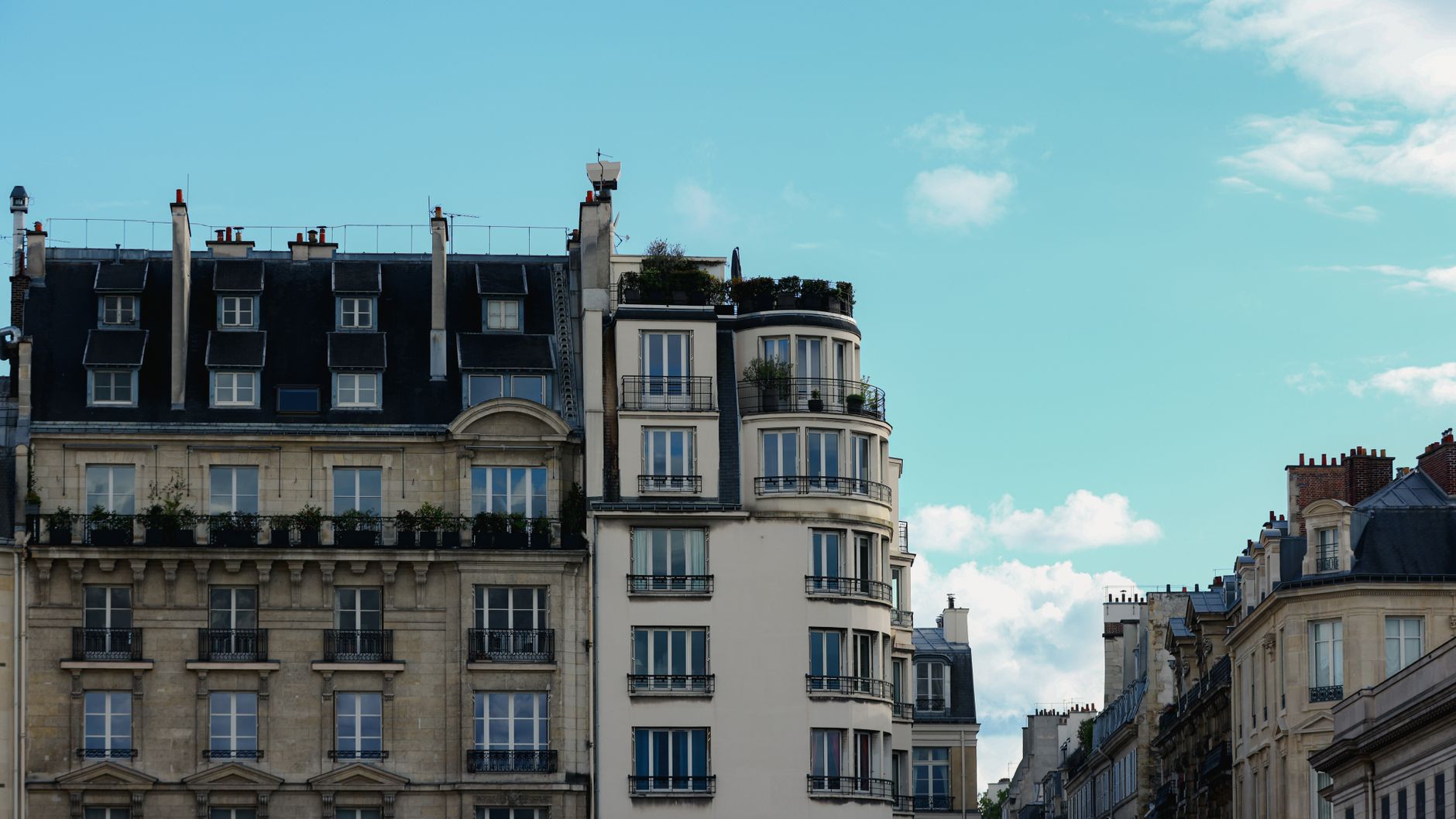
The hammer price at the Hôtel des Ventes Favart on Tuesday told its own story. A 58-square-metre apartment on the Rue des Martyrs in the 9th arrondissement cleared its reserve by 14 percent, attracting eleven registered bidders and closing at €628,000 — just over €10,800 per square metre. Two floors below in the same building, a near-identical unit had sold privately in March for €9,950 per square metre. The gap between those two numbers is the most honest read on the Paris market right now.
Why it matters today: the Chambre des Notaires de Paris releases its quarterly price barometer next week, and agents, developers and first-time buyers are already trying to front-run the data. The notarial figures, which lag actual sales by roughly three months, are expected to confirm what transaction desks at agencies including Century 21 Île-de-France and FNAIM Grand Paris have been reporting privately since April — that prime arrondissements and select outer-ring communes are diverging sharply from everywhere else.
Where Bids Are Beating Estimates
The clearest evidence is concentrated in two zones. In the 9th and 11th arrondissements, auction clearance rates at Drouot Immobilier have run above 78 percent for the past six consecutive weeks. Separately, along the Grand Paris Express corridor — specifically the communes served by Line 15 South, including Issy-les-Moulineaux and Le Kremlin-Bicêtre — notarised completion prices recorded in May came in an average of 6.2 percent above pre-sale valuations. That is not a rounding error. Those are buyers deciding that scarcity trumps caution.
The 6th arrondissement continues to sit at the top of the capital's price ladder, averaging €13,400 per square metre for apartments sold in the first quarter of 2026, according to data compiled by MeilleursAgents. The 1st and 7th remain above €12,000 per square metre. But volume in those arrondissements is thin — fewer transactions means each auction result carries outsized weight, and the headline averages can swing on a single Haussmann-era pied-à-terre on the Rue de Rivoli changing hands above guide.
The more telling signal is where auctions are failing. In the 19th arrondissement and in outer Seine-Saint-Denis — communes north of the périphérique like Aubervilliers and Bobigny — roughly one in four lots offered at auction since January has been withdrawn or bought in below reserve. That failure rate was closer to one in ten during the same period in 2024. Rising mortgage rates, which have stabilised around 3.8 percent for 20-year fixed terms at Crédit Agricole Île-de-France as of June, have compressed buying power sharply at the lower end of the market. A household borrowing at current rates qualifies for roughly €70,000 less than it would have at the historic lows of early 2022.
What the Data Says About the Next Six Months
FNAIM economists flagged in their June note that Paris transaction volumes in the first five months of 2026 were down approximately 9 percent year-on-year across the metropolitan area. But that aggregate masks the bifurcation. Strip out the 14th through 20th arrondissements and the outer banlieue, and core-Paris volumes are actually flat to slightly positive — meaning the drop is concentrated precisely where affordability constraints bite hardest.
Buyers with cash or high equity — a cohort that includes, anecdotally, some beneficiaries of the post-pandemic asset price run-up — are still moving quickly. The Place de la République and the Batignolles neighbourhood in the 17th continue to draw competitive offers within days of listing. The Agence Nationale de l'Habitat's MaPrimeRénov' renovation subsidy is also pushing buyers toward pre-1970 stock in transitional neighbourhoods, since the grant effectively lowers the all-in acquisition cost for energy-inefficient buildings.
For anyone watching from the sidelines, the practical read is this: if you are targeting a property in the 9th, 10th or 11th and expecting the market to soften further before you move, the auction data suggest you may be waiting for a correction that is not coming in those postcodes. If you are looking north of the périphérique, the failure rates at auction imply motivated sellers and room to negotiate — but financing a purchase there at current rates still requires a clear-eyed budget. The next notarial barometer, due the week of July 14th, will set the tone for the autumn season. Watch it closely.