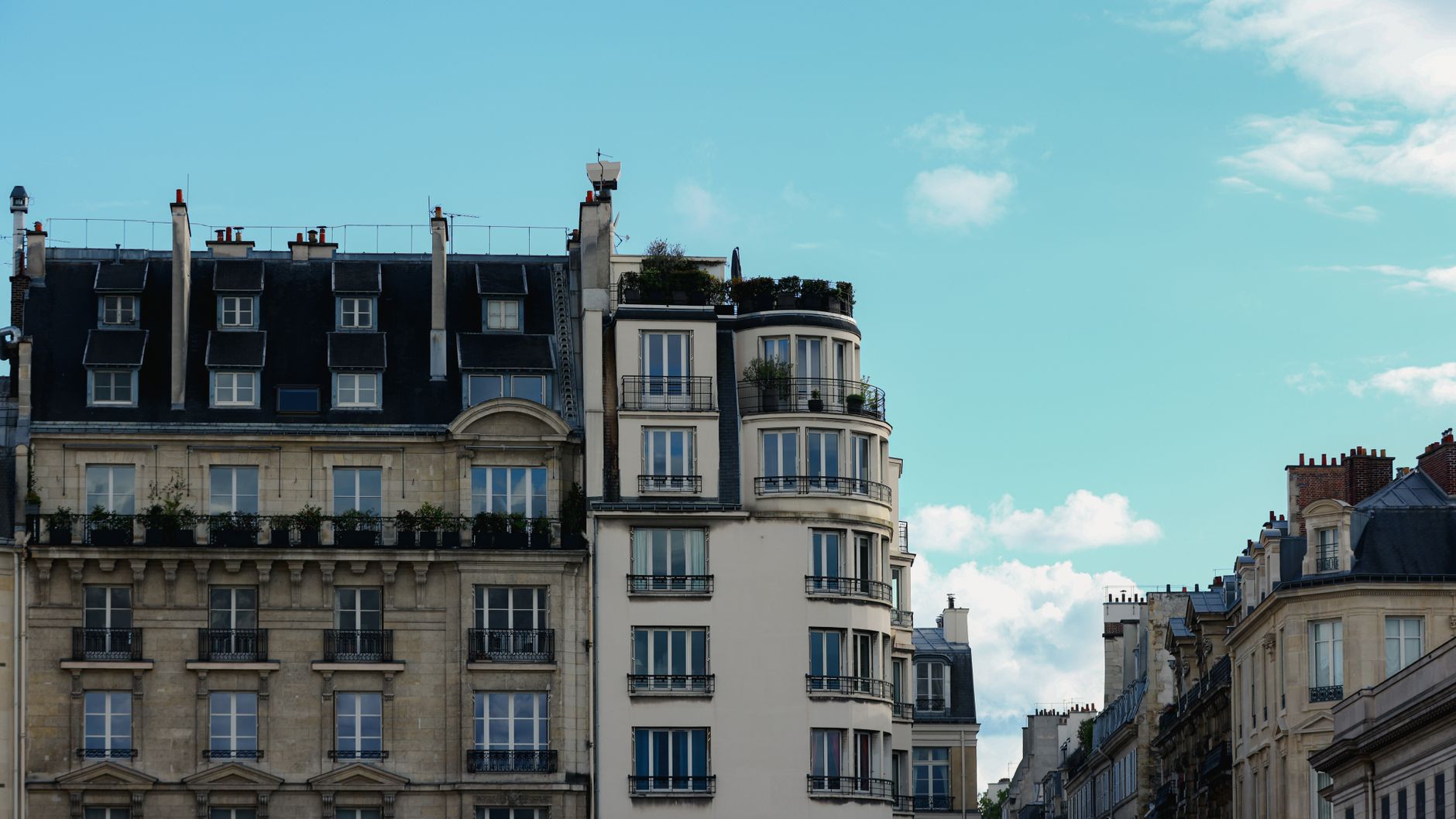
The gap between where first-time buyers want to buy in Paris and where they can actually afford to is wider than it has been in a decade. Central arrondissements — the 1st through the 8th — are effectively closed off to anyone without significant family wealth or a double income pushing €120,000 a year. The average square metre price in the 6th arrondissement hit €14,200 in the first quarter of 2026, according to figures from the Chambre des Notaires de Paris. That leaves a growing cohort of buyers pivoting east and north, and increasingly, beyond the Périphérique entirely.
This matters now for a specific reason: the Grand Paris Express, the €35 billion metro expansion project managed by Société du Grand Paris, is no longer a promise on a planning document. Line 15 South has been operational since late 2025, and construction milestones on Lines 16 and 17 are visibly accelerating through communities like Saint-Denis and Rosny-sous-Bois. Property values follow infrastructure. Buyers who move twelve months before a station opens consistently outperform those who wait for ribbon-cutting ceremonies.
Where the Value Actually Is Right Now
The 9th and 11th arrondissements remain the clearest entry points within Paris intramuros for buyers with budgets between €350,000 and €550,000 for a two-room apartment. The 11th — anchored by the Rue de la Roquette and the Place de la Bastille corridor — averaged €9,400 per square metre in May 2026. That is still a stretch, but the neighbourhood's density of independent restaurants, proximity to the Marais, and strong rental demand from young professionals make it defensible as a long-term hold.
The 19th arrondissement is the more surprising opportunity. Around the Bassin de la Villette and the Canal de l'Ourcq, prices run between €7,800 and €8,500 per square metre depending on floor and finish. The Parc de la Villette draws 10 million visitors a year, the neighbourhood has seen consistent café and co-working investment since 2023, and the RER E extension — part of the broader Eole project — brings Haussmann-Saint-Lazare within twelve minutes. First-time buyers who looked at this area two years ago and hesitated have already missed a 6 percent appreciation cycle.
For those willing to cross into the inner suburbs, Pantin and Montreuil deserve serious attention. Pantin, directly adjacent to the 19th, has attracted fashion and design studios — Hermès expanded its leather goods atelier there in 2020 — and one-bedroom apartments on streets like the Rue Hoche in Pantin trade at €5,900 to €6,400 per square metre. Montreuil, a commune of 110,000 people bordering the 20th arrondissement, offers even sharper pricing near the Croix de Chavaux metro stop on Line 9, where comparable stock runs €5,200 to €5,700 per square metre.
What First-Time Buyers Should Actually Do Next
The Prêt à Taux Zéro — France's zero-interest loan scheme for first-time buyers — was extended through December 2027 under the revised conditions announced by the Ministère du Logement in March 2026. The scheme covers up to 40 percent of the purchase price for new-build properties and certain renovated units in designated zones. Pantin and several sectors of the 19th arrondissement qualify. Buyers should contact the Agence Nationale pour l'Information sur le Logement, known as ANIL, which runs free advisory appointments at its Paris office on the Boulevard Saint-Germain and through online booking.
Get a mortgage agreement in principle — une offre de prêt de principe — before visiting a single apartment. Paris notaires move fast, and sellers in the 9th and 11th will not wait three weeks for a buyer to organise financing. Budget for notaire fees of roughly 7 to 8 percent on top of the purchase price for existing properties; this figure shocks first-time buyers who only factor in the headline price.
The window for buying ahead of the next Grand Paris station openings — particularly on Line 16 serving Saint-Denis Pleyel, scheduled for 2027 — is measured in months, not years. The buyers sitting on the sidelines waiting for prices to dip are betting against a transport calendar that is, for once, actually on schedule.