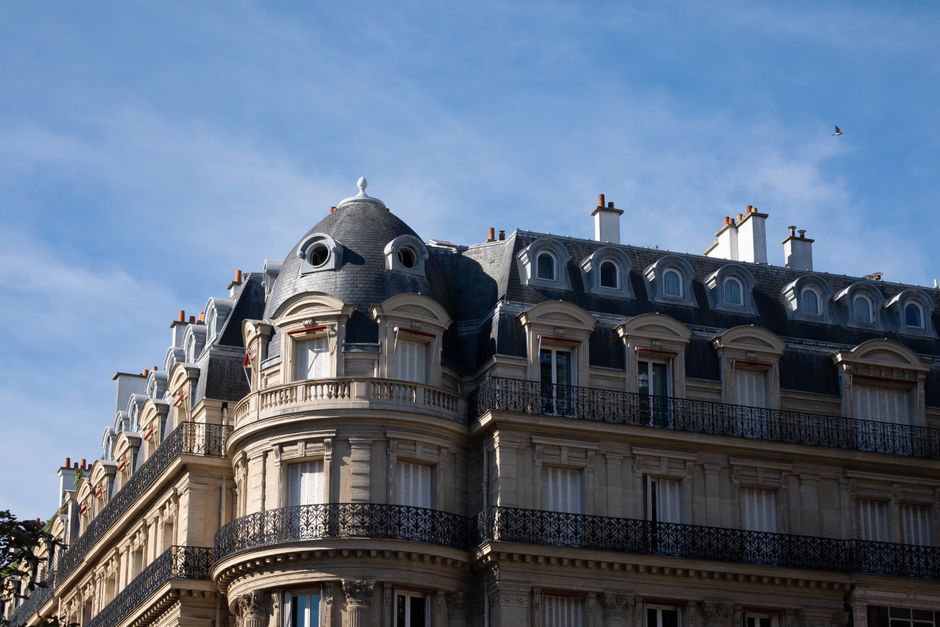
Paris's luxury rental market has entered a paradoxical phase. While prestigious addresses in the 1st through 8th arrondissements command rental yields that would satisfy most institutional investors—with prime Marais and Le Bon Marché precinct properties reaching €3,500 to €5,000 monthly for two-bedroom apartments—landlords are increasingly struggling with extended vacancy periods and tenant quality concerns. For renters willing to pay, the landscape presents its own challenges: shrinking choice, soaring deposits, and properties offered at prices that strain even affluent budgets.
The pressure cooker has built over three years of structural change. Post-pandemic migration patterns shifted demand toward the Grand Paris metro corridors and arrondissements 9-11, where neighbourhoods like Marais and République now compete aggressively with traditional strongholds. Properties around Rue de Rivoli and Place Vendôme remain trophy assets, but landlords here face a critical reality: the ultra-high-net-worth international clientele they once counted on—traditionally Chinese and Russian investors—has fragmented. Geopolitical uncertainty and visa restrictions have narrowed the pool dramatically.
For tenants of means, the consequence is brutal selectivity. A family seeking a four-bedroom townhouse in the 6th arrondissement now expects to pay €4,500–€6,000 monthly, yet landlords demand extensive financial verification, often requiring proof of income three to five times the rent. Property management firms report a 40 per cent increase in application rejections over the past 18 months, citing landlord risk-aversion. Meanwhile, corporate relocations and expat communities—traditional rental anchors—have diversified their choices, favouring emerging neighbourhoods in the 11th and 12th arrondissements, where comparable properties rent for 25–35 per cent less.
The human cost is acute. Mid-tier tenants—professionals earning €60,000–€90,000 annually—find themselves priced out of central Paris entirely. Younger couples and families increasingly settle beyond the périphérique, commuting via the RER lines. Local agencies report rising demand for furnished short-term rentals, a symptom of uncertainty among both parties about long-term commitments.
Landlords, too, are adjusting. Some are converting trophy apartments into serviced residences or fractional ownership schemes, hedging bets against persistent vacancies. Others are moderating expectations, accepting modest rent reductions in exchange for reliable long-term tenants. The days of automatic yield assumptions in prestige locations appear behind us. Paris's luxury rental market, for the first time in a generation, demands compromise from both sides.
This article was compiled by AI from the sources linked above and screened before publishing. See our editorial standards.