What Paris auction results and price data are signalling about the next investment wave
Beyond the prestige arrondissements, recent sales patterns reveal where smart buyers are positioning themselves in 2026.
Beyond the prestige arrondissements, recent sales patterns reveal where smart buyers are positioning themselves in 2026.
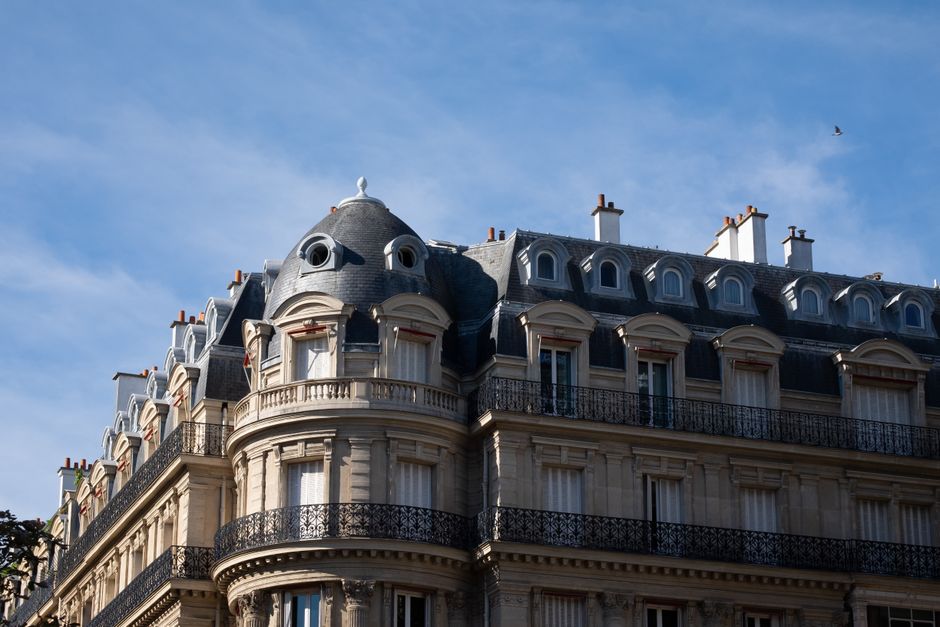
The Paris property market is sending a clear message to investors willing to read between the transaction lines: the days of betting exclusively on the Marais or Île Saint-Louis are fading. Recent auction results and price trajectories across the city's outer reaches suggest a decisive shift in where value is being created.
Data from major auction houses over the past eighteen months shows a striking pattern. While arrondissements 1–8 remain anchored around the €10,000 per square metre benchmark, transactions in the 9th, 10th, and 11th arrondissements are accelerating at rates that outpace the broader market. The 11th—historically overshadowed by Marais prestige—has seen completed sales on Rue de Charonne and around République climb 6–8% annually, with several boutique apartment lots clearing at auction despite tighter lending conditions elsewhere. The signal is unmistakable: gentrification narratives that felt speculative five years ago are now baked into actual prices.
But the real momentum lies beyond the périphérique. Grand Paris metro expansion projects, particularly along the extended RER E corridor toward Villeneuve-la-Garenne and Bobigny, are reshaping investment calculus. Recent municipal land auctions in these zones have attracted serious institutional bidders—a departure from the retail-dominated sales typical of previous cycles. Price growth in outer 13th and 20th arrondissement pockets has reached double digits, driven by young families priced out of central neighbourhoods and remote-work flexibility.
Auction results also reveal what savvy investors are quietly avoiding. Listings in the 16th and 8th that once sold within weeks are now lingering. This isn't collapse; it's correction. Premium pricing has hit a ceiling, and buyers are recalibrating toward value proximity to transport hubs rather than postcode prestige alone.
The data tells a three-act story. Act one: prime central remains a store of value, not a growth engine. Act two: mid-market arrondissements (9–11) offer steady appreciation with less headline risk than they did two years ago. Act three: the outer zones, particularly those with metro connectivity timelines published through 2028, are where price-to-yield ratios are attracting disciplined capital.
For investors watching 2026 unfold, the auction room and transaction dashboards are speaking louder than sentiment. The next significant wealth creation in Paris property won't happen where postcodes are already famous—it will happen where infrastructure is becoming convenient.
This article was compiled by AI from the sources linked above and screened before publishing. See our editorial standards.
How does this story make you feel?
Spread the word
About this article
Published by The Daily Paris
Daily brief
Free, in your inbox before 7am. Weekdays.
More in Property