property
Paris Rental Crisis Forces Tenants and Landlords Into Impossible Choices
As buy-to-let economics crumble and rents climb faster than incomes, both sides of Paris's rental market are facing an unprecedented reckoning.
How we reported this
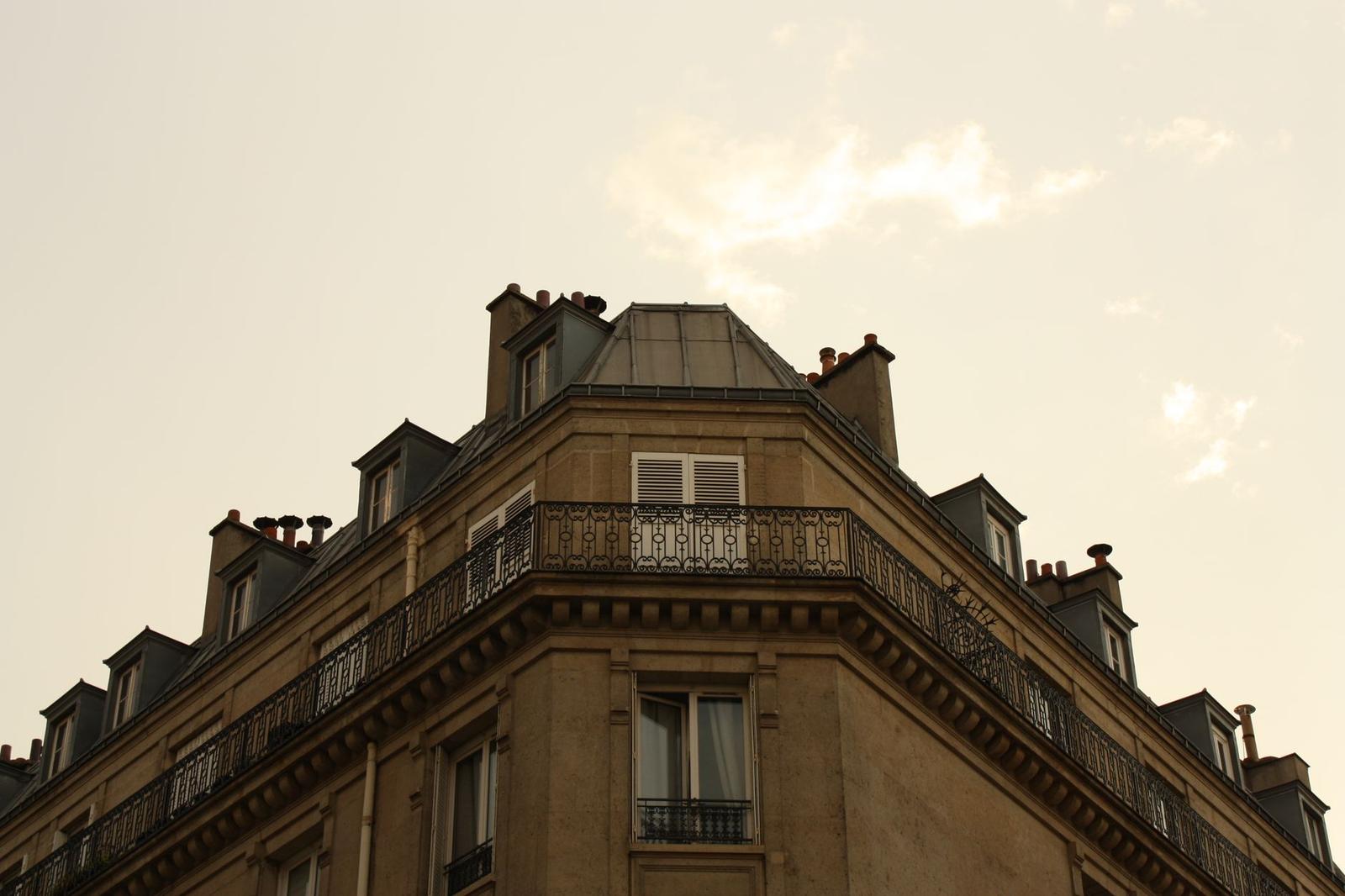
The arithmetic of renting in Paris has become brutal. A one-bedroom apartment in the 11th arrondissement-long the bellwether of the city's trendy-but-accessible neighbourhoods-now commands €900 to €1,100 monthly, up nearly 15% since 2024. A comparable property in the Marais barely dips below €1,200. For a young professional earning €2,400 net, the maths is unforgiving: rent now consumes 40% of take-home income, well above the 30% threshold financial advisors once considered sustainable.
What's driving this divergence isn't simple supply-and-demand mechanics. Instead, Paris's rental market is experiencing a structural realignment that's simultaneously pinching tenants and squeezing small landlords out of the equation.
Institutional investors-insurance funds, pension schemes, real estate trusts-have been systematically acquiring multi-unit buildings across the 9th, 10th, and inner Grand Paris suburbs since 2023. These players can absorb margin compression and operate on lower yields than individual proprietors. Meanwhile, French landlords face mounting costs: property tax (taxe foncière) increases, mandatory energy audits, renovation obligations under new thermal standards, and administration overhead that smaller operators simply cannot justify on modest returns. Several long-standing family landlords along Rue de Turenne and in the Belleville quartier have liquidated holdings entirely, choosing certainty over deteriorating rental yields.
The consequence ripples outward unevenly. In arrondissements 1-8, where average prices exceed €13,000 per square metre and ownership culture dominates, the rental market has contracted-fewer units, higher barriers to entry, stable but stratospheric rents. In the 10th and 11th, and across metro-accessible suburbs like Montreuil and Vincennes, the picture is messier: rapid rises, shorter lease terms, and increased precarity for renters.
Tenant advocacy groups report a surge in disputes over security deposits and maintenance standards, particularly as landlords-now predominantly corporate entities with standardised policies-enforce terms more rigidly than their predecessors. Conversely, small-scale landlords who remain in the market increasingly struggle with payment defaults and tenant turnover costs, eroding already thin margins.
The policy response has been tentative. Recent rent-control measures cap increases at inflation plus a percentage, but they've done little to address the underlying supply shortage or slow institutional acquisition. For families hoping to settle in central Paris, the rental market increasingly feels like a holding pattern-something to endure before purchasing, not a stable home.
The rental market that once balanced competing interests is now a high-friction ecosystem where neither tenants nor small landlords are winning.
This article is general information only and is not personal financial or investment advice. Consider your own circumstances and seek licensed professional advice before making financial decisions.