Paris Rental Yields Hold Steady as Vacancy Rates Signal Investor Opportunity
With Grand Paris vacancy rates hovering below 4%, savvy investors are recalculating returns across arrondissements as tenant demand reshapes the map.
With Grand Paris vacancy rates hovering below 4%, savvy investors are recalculating returns across arrondissements as tenant demand reshapes the map.
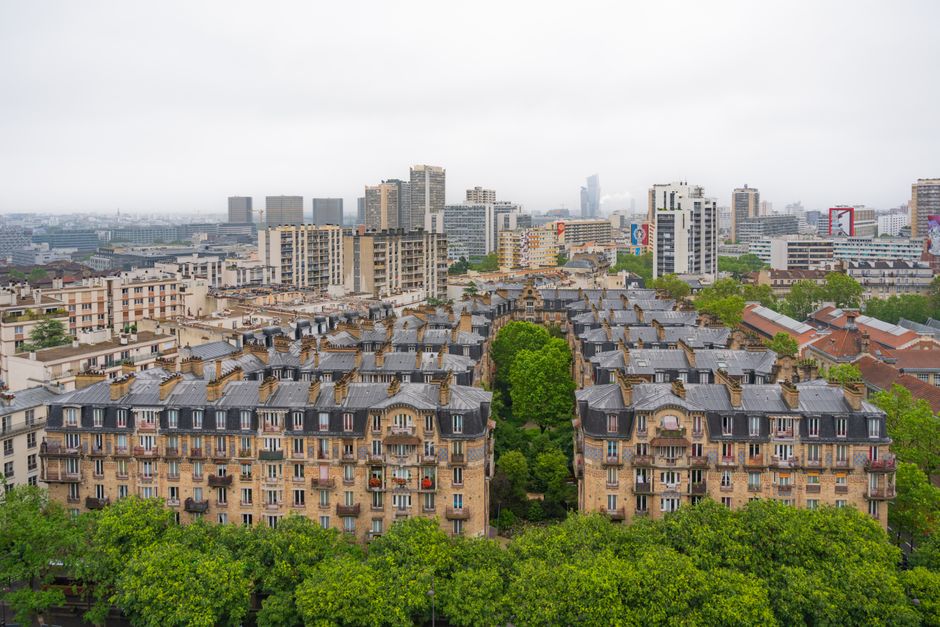
Paris's rental market continues to reward patient investors, even as housing scarcity reshapes where the real money lies. The latest data reveals a nuanced picture: while prestige arrondissements remain stable, the outer rings and Grand Paris suburbs are delivering the yields that trophy addresses simply cannot match.
Vacancy rates across the capital have settled at approximately 3.8%, below the European average of 5.2%. This tightness is precisely what attracts institutional capital. An investor purchasing a modest two-bedroom in the 11th arrondissement—say, near Oberkampf—might expect gross yields of 4.2 to 4.8 percent, compared to just 2.1 percent in the 8th around the Champs-Élysées. The mathematics favour emerging neighbourhoods, where €8,500 per square metre buys entry rather than prestige.
The real story, though, unfolds along the RER B and D lines extending into Île-de-France. Boulogne-Billancourt, Issy-les-Moulineaux, and Clamart are now attracting younger professional tenants priced out of central Paris. Yields there can reach 5.5 percent on properties hovering around €6,200 per square metre. The trade-off is simple: accept a 25-minute commute to République, capture higher returns.
Tenant behaviour has shifted markedly. Post-pandemic remote work flexibility has fragmented demand. Previously, the 6th and 7th arrondissements near the Musée d'Orsay seemed recession-proof; today, they're seeing marginally longer vacancy periods—typically 6 to 8 weeks between tenants. Conversely, the 9th and 10th, with their proximity to employment hubs and cultural venues like the Palais Garnier and Gare du Nord, maintain turnover cycles of just 3 to 4 weeks.
For investors calculating long-term strategy, the numbers suggest portfolio diversification. A property manager handling mid-range stock in the 13th near the Bibliothèque Nationale will report consistent occupancy above 96 percent. Premium apartments in the 1st demand seasonal flexibility and accept occasional vacancy as the price of selectivity.
The regulatory environment remains stable. Rent controls under the Macron government favour predictable appreciation—typically 1.8 to 2.2 percent annually—without aggressive caps. Combined with low vacancy, this creates a predictable income stream that equity markets struggle to rival.
For those reconsidering entry points, the lesson is clear: Paris still yields returns, but only if investors abandon the assumption that every arrondissement trades on equal terms. The spreadsheets increasingly favour the 11th, 12th, and the Grand Paris suburbs over the postcards.
This article was compiled by AI from the sources linked above and screened before publishing. See our editorial standards.
How does this story make you feel?
Spread the word
About this article
Published by The Daily Paris
Daily brief
Free, in your inbox before 7am. Weekdays.
More in Property