14th Arrondissement Paris Property: Investment Guide 2025
Discover why Paris's 14th arrondissement is emerging as a top investment zone. New developments, metro expansion to Orly by 2028, and 12% annual price growth drive demand.
Discover why Paris's 14th arrondissement is emerging as a top investment zone. New developments, metro expansion to Orly by 2028, and 12% annual price growth drive demand.
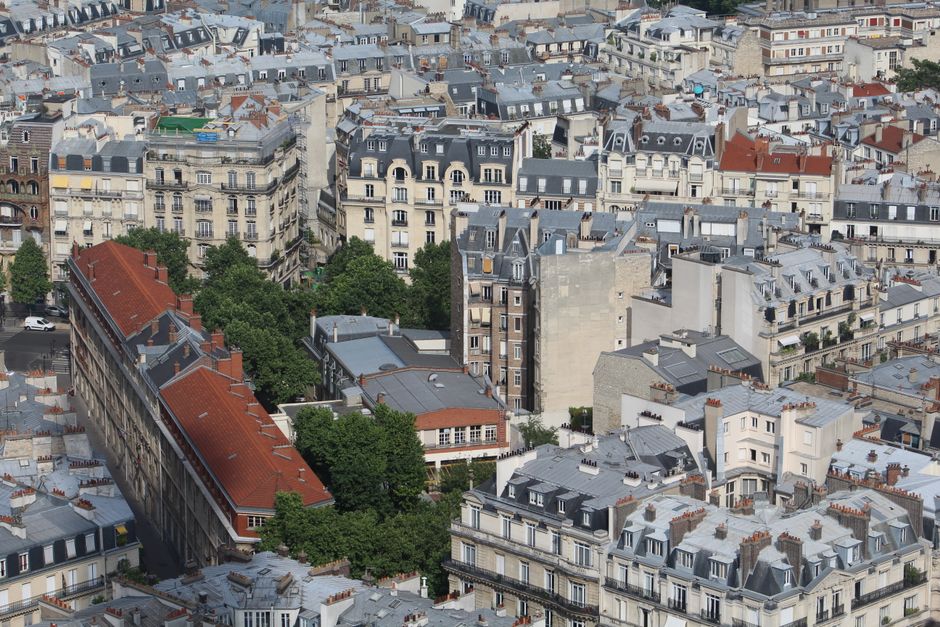
For decades, the 14th arrondissement existed in the shadow of its more celebrated neighbours—the bohemian 13th, the affluent 6th, the tourist-heavy Left Bank quarters. But a constellation of new construction approvals and infrastructure investment is quietly repositioning Montsouris as Paris's most compelling emerging investment zone, with prices rising 12% year-on-year while comparable central arrondissements plateau.
The catalyst is tangible. Three major mixed-use developments along the Rue Daguerre corridor have received municipal approval since early 2025, combining residential, retail, and office space across approximately 8,500 square metres. Simultaneously, the anticipated completion of the Line 14 southern extension toward Orly—scheduled for 2028—has unlocked speculative interest in properties within walking distance of the planned Châtelet des Halles interchange. Average prices in Montsouris now hover around €8,900 per square metre, a 15% discount to the city average, yet offering demographic and infrastructure tailwinds absent from stagnant central quarters.
The neighbourhood's appeal extends beyond transit theology. The 2024 opening of the Parc Montsouris renovation, coupled with the recent pedestrianisation of sections near the Cité Universitaire, has rebranded the area as both residential and lifestyle-focused. Local commercial activation—including the expansion of independent dining venues and galleries clustered around Place Alésia—signals organic gentrification rather than speculative hollowing.
Institutional money is following fundamentals. Two major Parisian property groups initiated acquisition campaigns in Q2 2026 targeting conversion-ready Haussmann and post-war stock on Rue de la Tombe-Issoire and Boulevard Saint-Jacques. One fund manager noted privately that Montsouris offers the dual advantage of blue-chip tenant demand (proximity to tech clusters in the 13th) and residential yield compression relief—currently yielding 3.8% gross rental returns versus 2.1% in the 8th.
Challenges remain. School capacity constraints and car-dependent neighbourhoods to the south could limit population growth. Completion delays on the Orly extension would puncture sentiment immediately. Yet planning records reveal a second wave of approvals for student housing and co-living formats, acknowledging Montsouris's existing population density and Cité Universitaire adjacency.
For investors calibrating exposure between overheated central Paris and speculative outer communes, Montsouris represents a rarer commodity: fundamental supply-demand friction meeting genuine urban momentum, backed by municipal infrastructure commitment. The question is no longer whether the 14th is emerging—it's whether entry windows close before broader market recognition.
This article was compiled by AI from the sources linked above and screened before publishing. See our editorial standards.
How does this story make you feel?
Spread the word
About this article
Published by The Daily Paris
Daily brief
Free, in your inbox before 7am. Weekdays.
More in Property