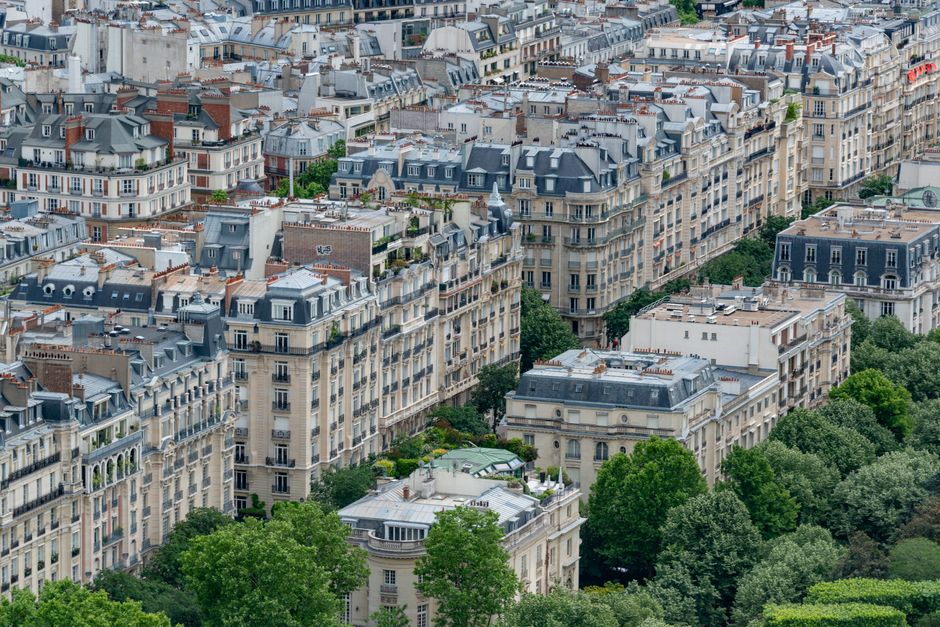
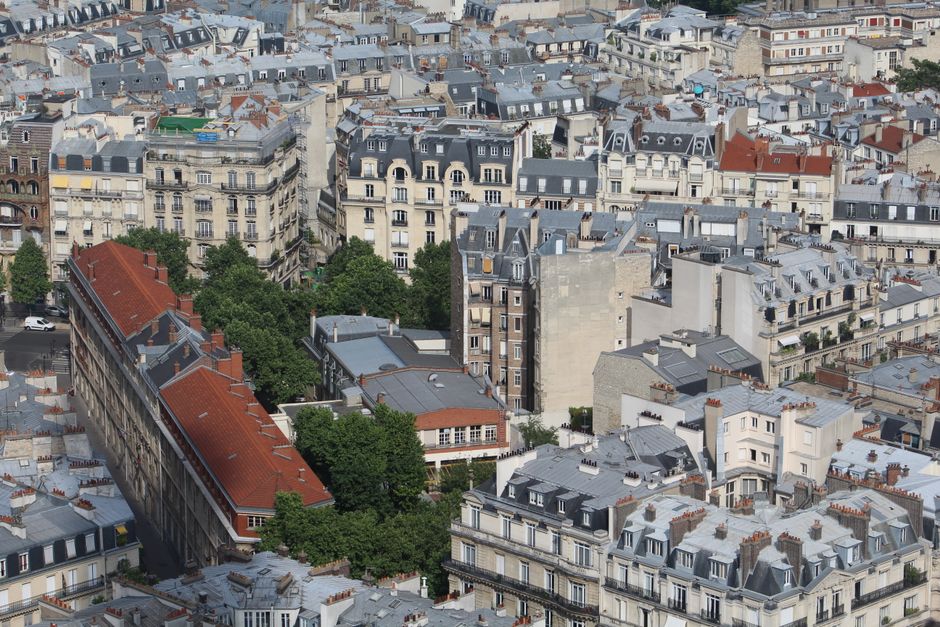
Paris's property approval machinery has shifted into overdrive. The past eighteen months have seen planning authorities greenlight a wave of mixed-use developments that will fundamentally alter how Parisians live—particularly those priced out of the €10,000-per-square-metre core.
The 13th arrondissement is ground zero for change. Three major projects along the Seine's left bank—including a 280-unit waterfront complex near Quai de la Gare—have received permits. These aren't trophy conversions; they're purpose-built rental schemes targeting the €3,500–€4,500 monthly bracket. For a neighbourhood that's traditionally been overlooked beyond its Chinatown credentials, the infrastructure investment accompanying these projects—new metro access improvements, public realm upgrades along the riverside promenade—signals something deeper: institutional belief that the 13th is no longer peripheral.
In the 15th, the approval of the Beaugrenelle extension project (phase two of the ongoing mixed-use precinct near rue Linois) will add 420 apartments and 15,000 square metres of office space. Local agents report this has already begun trickling into valuations: comparable units appreciated 6–8 per cent in the first quarter alone, a rate above the city average. The psychological effect matters as much as the bricks. Parents once resigned to the banlieue now see a legitimate tier-one alternative.
The real conversation, however, happens in arrondissements 9–11. The marais-adjacent 11th—historically bohemian, increasingly unaffordable—is absorbing three significant permissions on the Rue de la Roquette and surrounding blocks. These projects explicitly target owner-occupier buyers rather than investors, a deliberate planning condition designed to stabilise communities fraying under tourism and short-let pressure. Early pricing suggests they'll land at €8,500–€9,200 per square metre; meaningful relief for a neighbourhood now trading at €9,600 average.
Approval timelines remain the wild card. The planning directorate has nominally reduced assessment windows from 18 months to 12, yet site acquisition, environmental surveys, and co-investor coordination mean groundbreaking rarely precedes permit by less than 20 months. Developers cite regulatory clarity as the real win: the recent amendment to building height restrictions in outer arrondissements has unlocked previously constrained sites.
By 2028, these pipelines will deliver roughly 2,100 new units across central Paris—modest compared to London or Berlin, but meaningful in a city where supply has chronically lagged demand. The neighbourhoods absorbing this growth won't feel dramatically different, but their property curves will. For buyers calibrating long-term holds, that distinction is everything.
This article was compiled by AI from the sources linked above and screened before publishing. See our editorial standards.