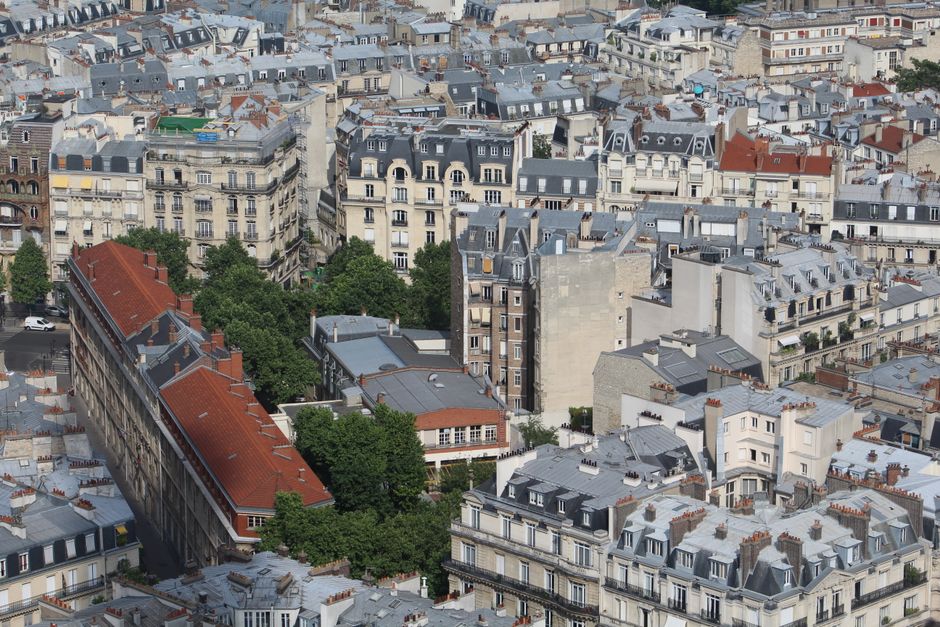
For decades, Paris property investors have orbited the Marais, the 6th arrondissement, and Saint-Germain-des-Prés. But 2026 is telling a different story. Montreuil, the bohemian commune just east of the Périphérique, has quietly become the city's most compelling yield play—and savvy landlords are taking notice.
The numbers tell why. While central Paris commands €10,000 per square metre, Montreuil hovers around €6,500–€7,200. A two-bedroom apartment near the Rue de la République—the neighbourhood's vibrant commercial spine—still fetches €420,000 to €480,000. Yet monthly rents push €900–€1,100, translating to gross yields of 2.25–3.15% annually. Factor in the commune's robust tenant demand and lower vacancy rates, and net yields climb toward 4–5%—a margin most central arrondissements can no longer match.
The catalyst? Infrastructure and gentrification moving in tandem. The extended Line 9 metro extension, coupled with improved RER B connections, has slashed commute times to La Défense and Gare de l'Est. Younger professionals—tech workers, creatives, remote-hybrid employees—are decamping from pricey 10th and 11th arrondissement flats, finding superior value and community in Montreuil's tree-lined streets.
Investment migration accelerates when neighbourhoods rebrand. Montreuil's cultural calendar—the annual Festa da Música, galleries clustered around Rue des Trois Frères, indie cafés and micro-breweries along Rue Jean Jaurès—has repositioned it as genuinely desirable, not merely affordable. Property manager networks confirm consistent demand from young couples, small families, and young professionals aged 25–45.
For landlords, diversification matters. Montreuil's mixed demographic—roughly 40% students and early-career renters, 35% established families, 25% empty-nesters downsizing—reduces tenant turnover risk. Most local agencies report 95%+ occupancy rates and lettings cycles averaging 2–3 weeks.
Caveats exist. Montreuil remains outer Paris; some investors perceive reputational distance from the 8th arrondissement's stability. Interest-rate headwinds mean financing costs are higher than they were in 2021. And competition is intensifying—buy-to-let investors from Lyon and Marseille are awakening to the opportunity.
Still, for Paris investors seeking yield over prestige—and those betting on the Grand Paris vision of decentralised growth—Montreuil's sweet spot of accessibility, cultural momentum, and strong fundamentals offers a rare opening. The window, however, is visibly narrowing.
This article was compiled by AI from the sources linked above and screened before publishing. See our editorial standards.