Montreuil's Building Boom: How a Suburban Darling Became Paris's Next Property Goldmine
With three major mixed-use schemes approved and prices climbing 18% year-on-year, Montreuil is challenging the capital's traditional investment hierarchy.
With three major mixed-use schemes approved and prices climbing 18% year-on-year, Montreuil is challenging the capital's traditional investment hierarchy.
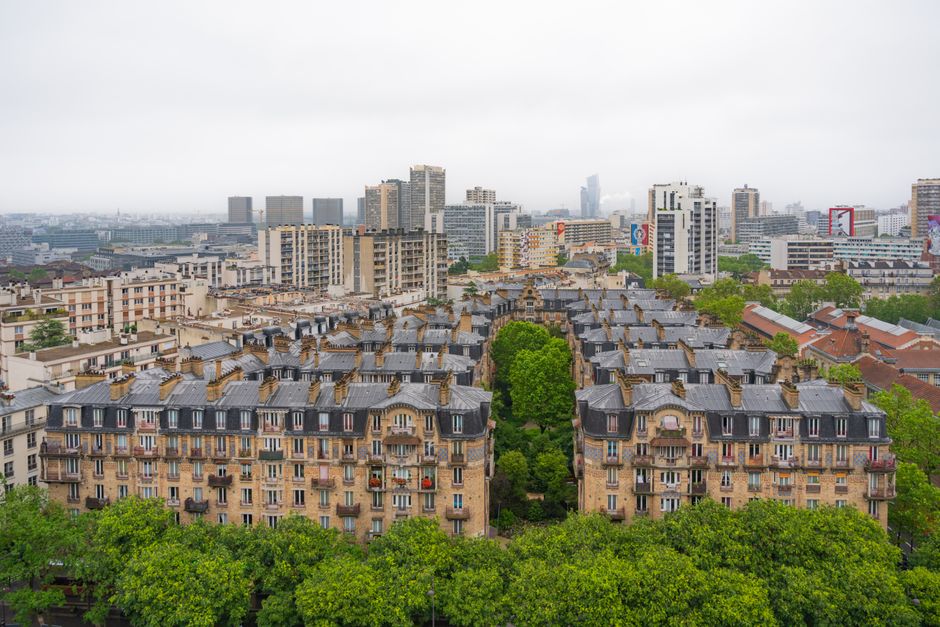
For decades, Montreuil existed in the shadow of Marais galleries and Bastille wine bars. Today, the Seine-Saint-Denis suburb is rewriting Paris's property narrative, driven by an unprecedented wave of planning approvals and investor appetite that shows no signs of slowing.
The catalyst is unmistakable: infrastructure. The Grand Paris Express extension, due to reach Montreuil's Rue de Paris corridor by 2027, has triggered a cascade of development permits. This month alone, the municipal planning board green-lit three significant projects along the Avenue de la Résistance, collectively adding 340 residential units and 12,000 square metres of commercial space. Local agents report asking prices near the Théâtre de Montreuil district have climbed to €8,200 per square metre—a 18% annual increase that rivals gentrifying pockets of the 11th arrondissement.
The appeal extends beyond metro accessibility. Montreuil's artistic heritage—anchored by its thriving street-art scene and independent galleries clustering around Rue des Trois Frères—attracts younger professionals priced out of central Paris. Average rents for a two-bedroom now hover around €750 monthly, undercutting comparable Marais apartments by 40%. That differential has sparked institutional interest: three major property funds registered new acquisition vehicles in Montreuil during Q1 2026.
The Cité Gagarine redevelopment, approved last year, exemplifies the shift. This formerly derelict industrial compound near Rue du Capitaine Dreyfus is being transformed into a mixed-income neighbourhood featuring 280 apartments, a 2,500-square-metre cultural centre, and ground-floor retail anchored by independent retailers. Completion is targeted for Q3 2027. Similar schemes are underway in the Kirchberg and South Montreuil zones, each designed to preserve the suburb's bohemian character whilst ramping density.
Municipal authorities, sensing momentum, have adjusted zoning codes to encourage residential conversion of vacant manufacturing space. The strategy mirrors successful transitions in Belleville and Oberkampf—but Montreuil's advantage is timing. Those neighbourhoods peaked years ago; here, the investment cycle is still ascending.
Caveats exist. School capacity remains stretched, and transit construction will disrupt commerce through 2027. Property taxes are rising sharply. Yet for investors calibrating mid-term exposure, Montreuil's combination of cultural cachet, infrastructure certainty, and price runway presents a rare opening. At €8,200 per square metre—roughly 20% below arrondissements 9-11 averages—the suburb remains relatively accessible. That gap, many analysts believe, won't last long.
This article was compiled by AI from the sources linked above and screened before publishing. See our editorial standards.
How does this story make you feel?
Spread the word
About this article
Published by The Daily Paris
Daily brief
Free, in your inbox before 7am. Weekdays.
More in Property