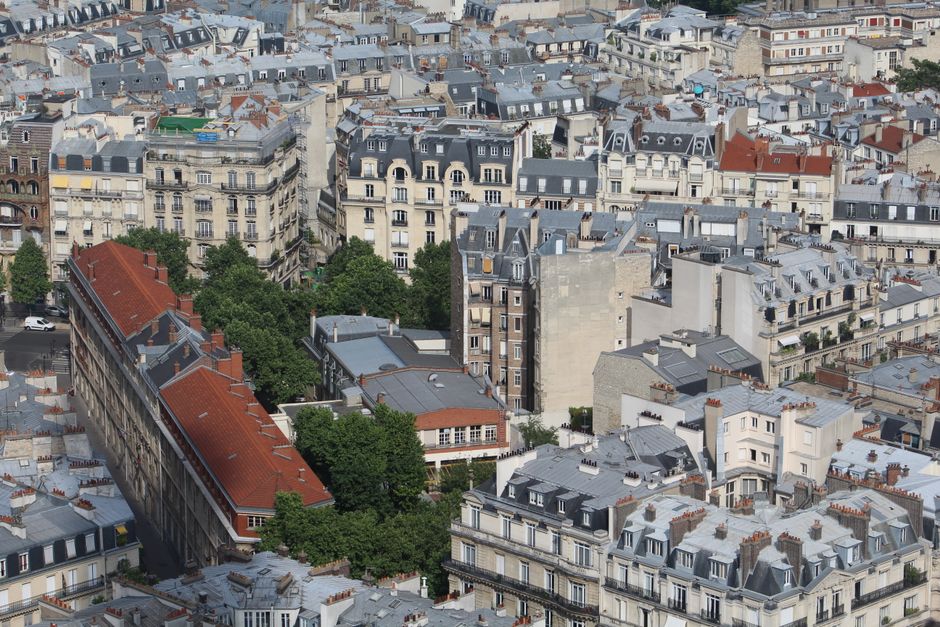
First-time buyers face a new Paris reality: what's actually driving prices in 2026
Record grants and loosened lending rules have supercharged demand, but savvy newcomers need to understand where real value lies across the city's fragmented market.
Record grants and loosened lending rules have supercharged demand, but savvy newcomers need to understand where real value lies across the city's fragmented market.
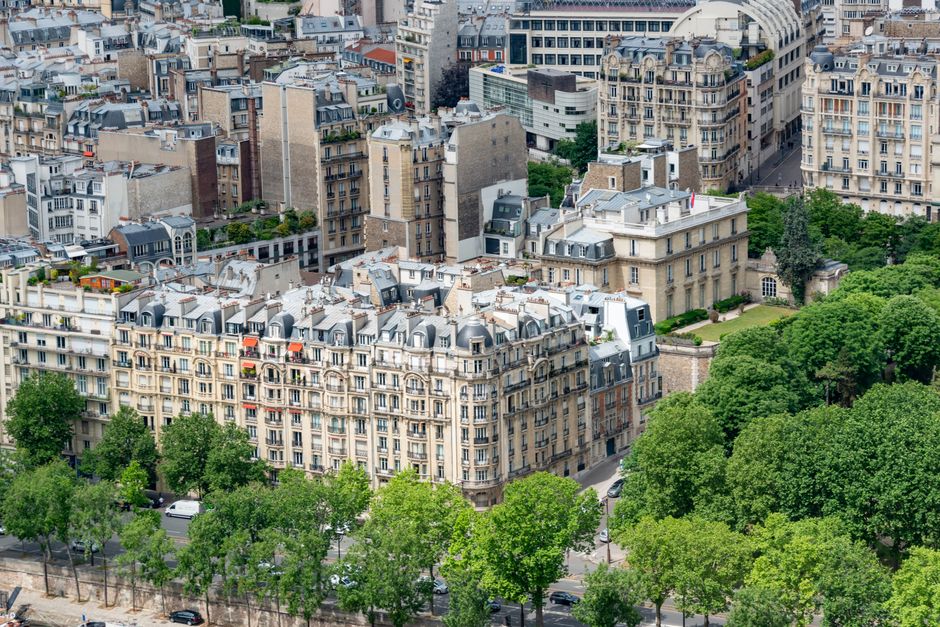
The landscape for first-time buyers in Paris has shifted dramatically since 2024. Government incentives—including the expanded PTZ (Prêt à Taux Zéro) scheme and newly reinforced MaPrimeAccès grants—have injected fresh capital into the market precisely when supply remains constrained. But these tailwinds are masking deeper structural forces that every aspiring owner needs to understand before committing.
Average prices across Paris now hover near €10,000 per square metre, but that figure obscures a two-tier market. The prestigious arrondissements 1 through 8—think the Marais, Saint-Germain, or the 8th around the Champs-Élysées—remain stratospheric, with €14,000–€16,000/sqm commonplace. Yet it's the 9th through 11th arrondissements where first-time buyer activity has concentrated. Neighbourhoods like Belleville, République, and Oberkampf have seen sustained interest, with €9,500–€11,000/sqm increasingly the norm as investors and young families discover their cultural draw and proximity to the Marais.
What's actually driving this? Three factors converge. First, the PTZ ceiling has risen, allowing buyers to borrow more interest-free capital—but only for primary residences, and crucially, only in certain Grand Paris zones. Second, lenders have relaxed debt-to-income ratios in response to ECB pressure, meaning buyers can stretch further. Third, and most underestimated: outer Grand Paris communes like Vincennes, Montreuil, and Pantin are becoming legitimate alternatives, with €7,500–€8,500/sqm attracting first-time buyers priced out of the périphérique.
The catch? Supply hasn't kept pace. New construction remains slow, and renovation stock in prime arrondissements commands premiums that offset grant benefits. A 55-sqm studio in the 11th near Belleville might sell for €550,000—within reach with grants, but requiring careful stress-testing of repayment capacity.
Advisors at organisations like the Agence des services aux collectivités recommend buyers focus on affordability stress-testing, not just headline grants. With rates potentially rising again, a property that consumes 35% of household income today could become unmanageable within five years. The grants are real, but they're masking the fact that fundamentals—income stability, genuine savings discipline—matter more than ever.
First-time buyers should map both their financial flexibility and neighbourhood trajectory carefully. Belleville's cultural momentum is real, but gentrification is already pricing out the next wave. Grand Paris suburbs offer genuine value, but require longer commutes. The grant windfall is temporary; the decision is permanent.
This article was compiled by AI from the sources linked above and screened before publishing. See our editorial standards.
How does this story make you feel?
Spread the word
About this article
Published by The Daily Paris
Daily brief
Free, in your inbox before 7am. Weekdays.
More in Property