Paris Rental Yields 2026: Investment Returns by Arrondissement
Paris rental yields compressed to 3.2% in prime zones. Compare gross returns across arrondissements—from Marais to République—to find where investor money flows in 2026.
Paris rental yields compressed to 3.2% in prime zones. Compare gross returns across arrondissements—from Marais to République—to find where investor money flows in 2026.
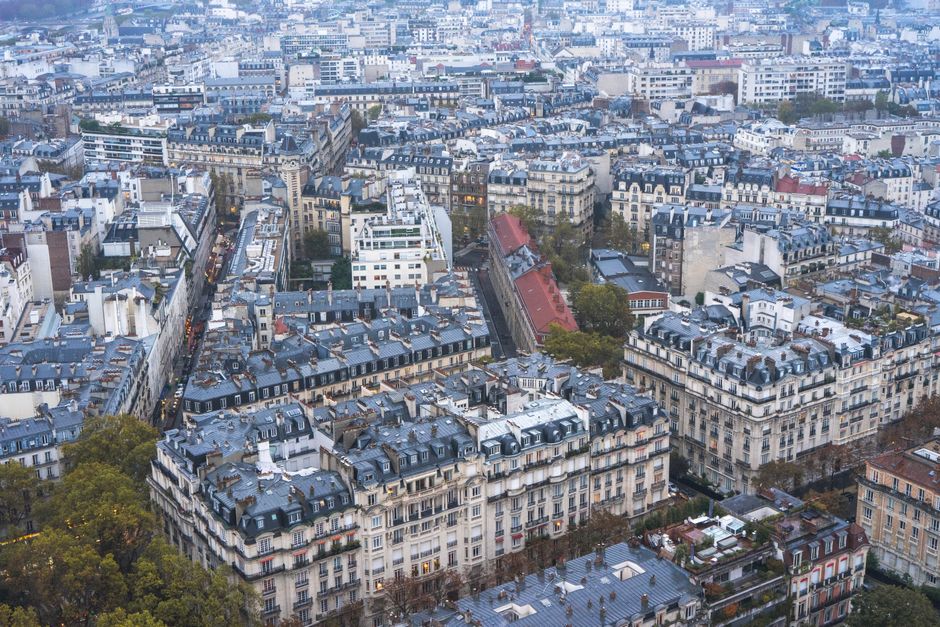
Paris's property market has always been a tale of two cities: the glittering 1st through 8th arrondissements, where a studio on Rue de Rivoli commands premium prices, and the emerging zones of the 9th, 10th and 11th, where younger investors hunt for growth. But in mid-2026, the numbers reveal a subtler story—one about yields, not just valuations.
Gross rental yields in central Paris have compressed to barely 3.2 per cent, according to transaction patterns tracked across the Marais, Le Bon Marché district, and Île Saint-Louis. A €2.8 million apartment near Place des Vosges might generate €90,000 annually in rent—respectable in absolute terms, but thin margins for capital tied up. By contrast, a comparable property in the 11th arrondissement, say around République or Oberkampf, yields closer to 4.8 per cent, with purchase prices hovering around €8,200 per square metre.
The shift has consequences. Institutional investors and family offices are quietly rotating portfolios eastward and toward the Grand Paris metro corridors—Vincennes, Saint-Denis, Neuilly-sur-Seine—where yields of 5.2 to 5.8 per cent remain accessible. The outer suburbs have absorbed much of 2025's investment surge, driven partly by rail improvements and partly by arithmetic.
What do the numbers actually show? First, prime real estate in arrondissements 1–8 is increasingly owner-occupied or held for appreciation rather than income. The typical hold period has lengthened to 12–15 years, suggesting investors expect capital growth, not cash flow. Second, the middle ground—the rising 9th and 10th—is maturing. As Rue de Marseille and Canal Saint-Martin neighbourhoods gentrify, yields have fallen from 5.5 per cent three years ago to 4.5 per cent today. Growth is priced in.
Third, supply constraints matter. New-build completions in central Paris averaged just 1,200 units annually in 2024–2025, supporting prices but limiting rental stock. Investors chasing yield are increasingly forced into older stock requiring renovation—a hidden cost that nominal returns don't capture.
For serious investors, the message is clear: if you want income, look beyond the Seine. The 15th and 13th arrondissements, plus Grand Paris nodes like Boulogne-Billancourt, still offer 5+ per cent gross yields on well-maintained properties. If you're in the Marais or Île Saint-Louis, you're buying legacy status and scarcity, not rental returns. The market has bifurcated. Understanding that distinction is the only yield that matters.
This article was compiled by AI from the sources linked above and screened before publishing. See our editorial standards.
How does this story make you feel?
Spread the word
About this article
Published by The Daily Paris
Daily brief
Free, in your inbox before 7am. Weekdays.
More in Property