First-time buyers' playbook: navigating Paris's neighbourhood investment puzzle in 2026
As central arrondissements price out newcomers, smart investors are learning where to find genuine growth—and which up-and-coming quarters offer real returns.
As central arrondissements price out newcomers, smart investors are learning where to find genuine growth—and which up-and-coming quarters offer real returns.
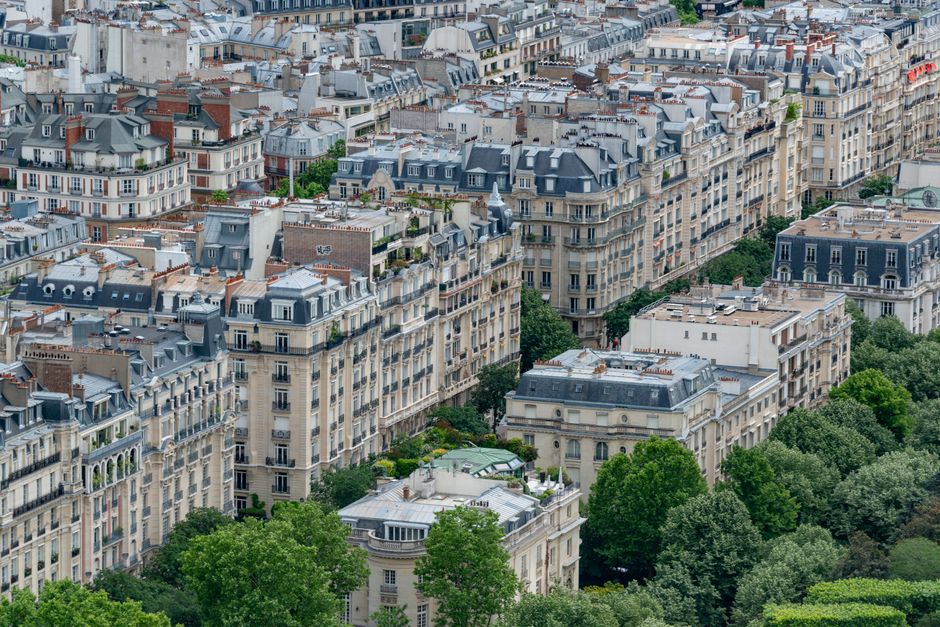
The Paris property market has fractured into two clear tiers. In the 1st through 8th arrondissements, prices hover stubbornly above €15,000 per square metre—territory that demands either significant capital or parental backing. But for first-time buyers with modest deposits, 2026 presents a more nuanced opportunity: the eastward and northern shift that has quietly reshaped where Parisians actually want to live.
The 11th arrondissement remains the textbook case. Bastille and République have absorbed young professionals for over a decade, pushing average prices toward €12,500/sqm. But savvy buyers are now eyeing secondary pockets: Rue Oberkampf's creative cluster and the regenerated Marais-adjacent streets offer character without premium central pricing. Here, a modest two-bedroom runs €650,000–€750,000—steep, yet recoverable value if renovation potential exists.
The 9th arrondissement tells a different story. Traditionally overlooked as transit territory between Grands Boulevards and Pigalle, it's experiencing measurable momentum. Rue des Martyrs and the emerging café culture around Rue Rodier have attracted younger demographics, and prices—averaging €11,000/sqm—reflect this shift rather than pricing it in entirely. For buyers prepared to look beyond Instagram landmarks, this quarter offers the rarest commodity in 2026 Paris: room to build equity.
But the real frontier lies beyond the périphérique. Grand Paris metro expansion has made the 13th arrondissement's Bibliothèque François-Mitterrand corridor genuinely liveable for families seeking space. Prices average €9,200/sqm—a 40% discount to the core—with schools, parks, and transport improving annually. Similarly, Montsouris in the 14th and Belleville's quieter eastern extensions offer £8,500–€9,500/sqm pricing with established communities, not speculative bubble territory.
For first-timers, the calculus is simple: proximity versus equity. A studio in the 6th arrondissement's Saint-Germain consumes capital with minimal appreciation. A two-bedroom in the 11th or 13th, purchased with a 20% deposit and modest mortgage, captures demographic momentum. Rental yields in these emerging zones average 3.2–3.8%, compared to 2.1% in saturated central quarters.
The 2026 Paris buyer should ignore sentiment and follow transport investment. RER extensions, bus rapid transit routes, and the continued gentrification of the Canal Saint-Martin's eastern fringe will drive value. Arrondissements 9 through 14 offer the last credible entry point for owner-occupiers before Paris's geography fully reprices. Act before autumn.
This article was compiled by AI from the sources linked above and screened before publishing. See our editorial standards.
How does this story make you feel?
Spread the word
About this article
Published by The Daily Paris
Daily brief
Free, in your inbox before 7am. Weekdays.
More in Property