Paris Rental Caps Cut Returns in Central Districts
New density limits and rent controls in inner arrondissements force investors to reassess property strategies and explore outer neighborhoods.
New density limits and rent controls in inner arrondissements force investors to reassess property strategies and explore outer neighborhoods.
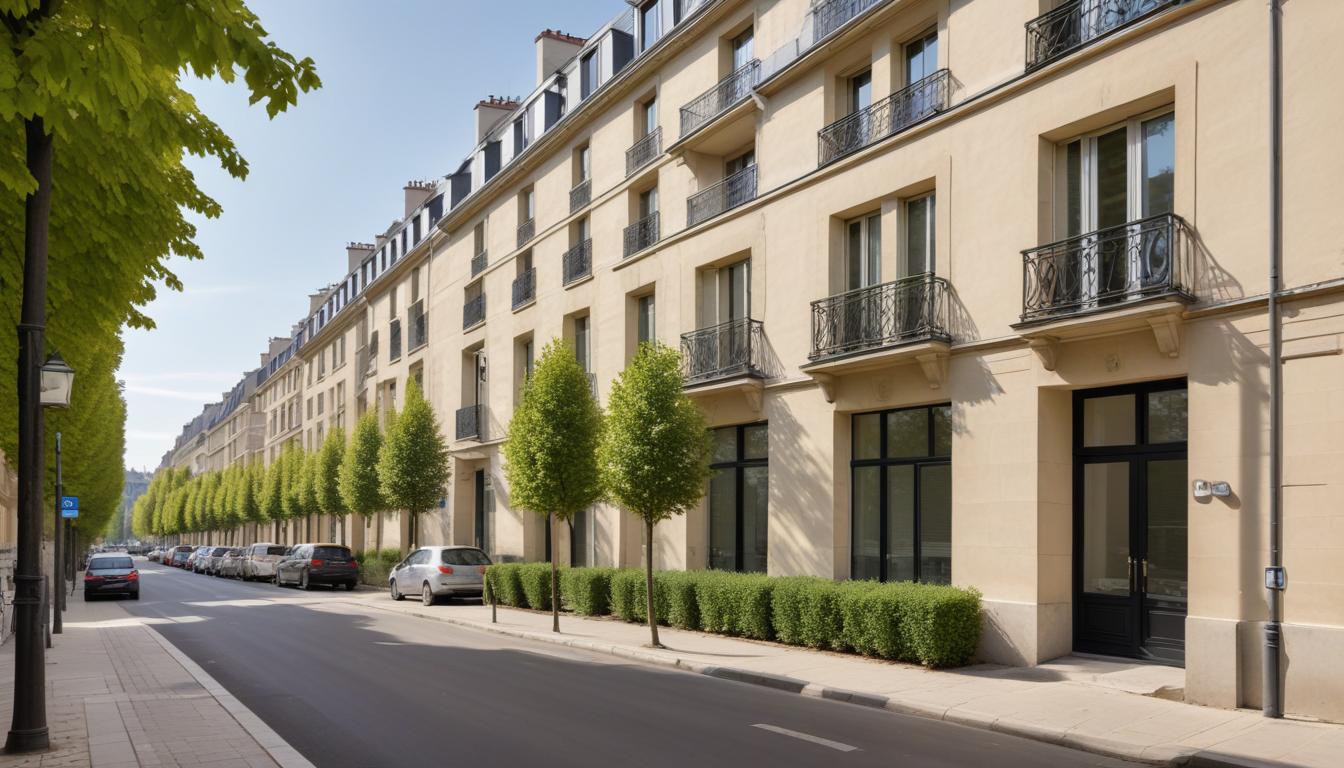
Paris's rental investment landscape is undergoing its most significant shift in a decade, driven by planning decisions that are fundamentally rewriting the rules for property returns. The city's recent zoning reforms—designed to preserve architectural heritage while addressing housing density concerns—are already forcing landlords to reassess their portfolios and reshape their strategies across different neighbourhoods.
The most dramatic changes centre on the 1st through 8th arrondissements, where new planning restrictions now limit conversion of standalone properties into multiple rental units. A typical investment property near Rue de Rivoli that might have yielded 4.2% gross rental return through subdivision is now capped at 2.8%, according to recent analysis by local property consultancy firms. This has sent experienced investors hunting for alternatives in the 9th, 10th, and 11th arrondissements—areas already experiencing price appreciation as capital redirects from premium zones.
The 11th arrondissement, particularly around Bastille and République, has emerged as the new frontier. Average rental yields here have climbed to 3.9% against the city-wide average of 3.1%, partly because planning permissions for mixed-use developments remain more flexible. Investment activity along Boulevard Voltaire has surged 34% year-on-year, reflecting this shift.
Yet opportunity lies further out. The Grand Paris metro expansion, combined with zoning changes that now favour mid-rise residential development in outer suburbs like Bagneux and Fontenay-aux-Roses, is attracting institutional landlords. Properties 15 minutes from République on the new metro lines are now delivering yields of 4.5% to 5.2%—significantly above central Paris—with planning certainty that inner-city investors no longer enjoy.
For existing landlords, adaptation is essential. Those holding properties in restricted zones should consider long-term capital appreciation strategies rather than pursuing aggressive rental yields. The Louvre region, despite yield compression, still offers stability and prestige that sustains value during market cycles.
The Paris municipal authority's emphasis on preserving neighbourhood character over density has also triggered a secondary effect: short-term rental restrictions are tightening. Properties previously let on 90-day cycles now face additional licensing hurdles in central areas, pushing investors toward traditional long-term tenancy models with lower turnover costs but more modest returns.
Smart investors are diversifying geographically. A balanced portfolio now typically includes one premium hold in the 5th or 6th for long-term appreciation, coupled with higher-yield holdings in the 10th or along the expanding metro corridor. The days of uniform Paris yields are over.
This article was compiled by AI from the sources linked above and screened before publishing. See our editorial standards.
How does this story make you feel?
Spread the word
About this article
Published by The Daily Paris
Daily brief
Free, in your inbox before 7am. Weekdays.
More in Property