Sydney Council's Parking Levy Vote Could Hit Drivers Hard—Here's What It Means for Your Wallet
City of Sydney's push for a new transport tax faces community backlash as residents weigh costs against promised infrastructure improvements.
City of Sydney's push for a new transport tax faces community backlash as residents weigh costs against promised infrastructure improvements.
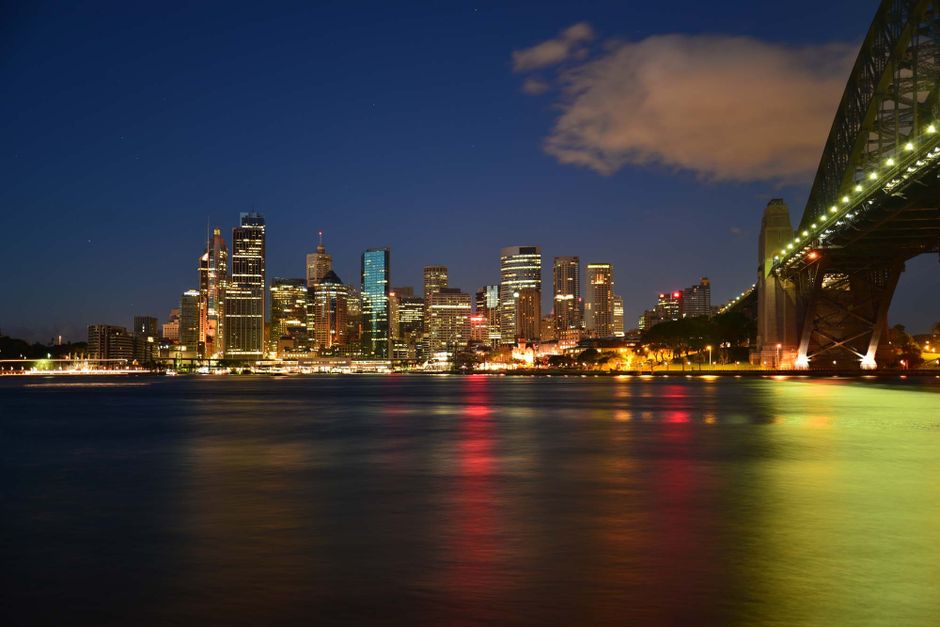
The City of Sydney is set to debate a contentious $45 annual parking levy next month, a move that could reshape commuting costs for hundreds of thousands of Greater Sydney residents who drive into the CBD and inner-city neighbourhoods.
The proposed charge, detailed in council's draft transport strategy, would apply to all off-street parking facilities across the local government area—from Barangaroo to Redfern, and Darling Harbour to Alexandria. For regular commuters parking in the Pitt Street or Castlereagh Street commercial precinct, the cumulative annual cost could reach $1,170, assuming 26 working weeks of parking.
Council argues the levy would generate approximately $18 million annually for active transport infrastructure, including expanded cycleways along Oxford Street and King Street in Newtown, as well as improved pedestrian crossings. The funding targets areas with the highest traffic congestion, where travel times have increased 12 percent since 2019, according to recent transport data.
But business groups and commuter advocates have raised immediate concerns. The Sydney Business Chamber warned the levy could further burden retail workers and small business owners already facing elevated operating costs. Parking at major retail hubs like Broadway Shopping Centre and the Strand Arcade would become less competitive compared to Western Sydney alternatives.
Inner-city residents in neighbourhoods like Surry Hills, Glebe, and Ultimo are split. Some welcome the shift toward active transport and reduced vehicle dependency. Others question whether the tax fairly targets essential workers—nurses, tradespeople, and carers who lack viable public transport alternatives to hospital precincts and service areas across the council region.
The council's transport committee will vote on the proposal on July 15, with a full council decision likely by August. If approved, implementation would begin in early 2027, phased across different parking zones to allow adjustment time.
Local government experts note this levy sits within broader Australian trends toward congestion management. Melbourne's controversial parking rates and Brisbane's recent transport levies have generated similar debate, with long-term data suggesting modest but measurable shifts toward public transport use.
Residents concerned about the proposal can make submissions to City of Sydney through its website until July 8. For commuters, the decision carries immediate financial implications—and for the broader community, it signals how Sydney prioritises transport futures in an increasingly congested metropolitan area.
This article was compiled by AI from the sources linked above and screened before publishing. See our editorial standards.
How does this story make you feel?
Spread the word
About this article
Published by The Daily Sydney
Daily brief
Free, in your inbox before 7am. Weekdays.
More in News