How Sydney's Environmental Movement Reached a Tipping Point: The Decade That Changed Everything
From inner-city activism to major policy shifts, understanding the forces that pushed Australia's largest city toward serious sustainability commitments.
From inner-city activism to major policy shifts, understanding the forces that pushed Australia's largest city toward serious sustainability commitments.
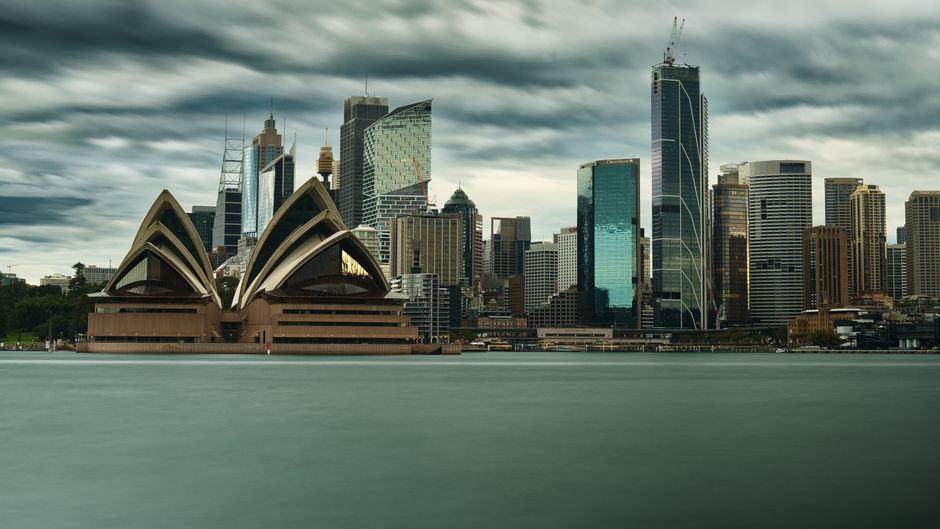
Sydney's embrace of environmental sustainability didn't happen overnight. The city's current push toward net-zero emissions and circular economy initiatives represents decades of incremental pressure, setbacks, and hard-won victories that culminated in the mid-2020s shift toward concrete action.
The journey began in earnest during the early 2010s, when residents in inner suburbs like Marrickville and Redfern started grassroots composting programs and renewable energy cooperatives. What seemed like fringe activism at the time—community gardens sprouting across vacant blocks in Alexandria, solar panel installations on terrace houses in Glebe—would later influence mainstream policy. By 2015, Sydney councils were tracking their carbon footprint; by 2019, the conversation had moved from whether climate action was necessary to how quickly it could be implemented.
The 2019-2020 bushfire season proved catastrophic and galvanising. Photographs of smoke blanketing the Harbour Bridge and CBD weren't abstract warnings—they were lived experience. Sydney experienced unprecedented air quality crises, with schools closing and hospitals treating respiratory emergencies at record rates. That collective trauma shifted public opinion decisively. Polling in 2021 showed 78 per cent of Greater Sydney residents supported aggressive emissions reduction targets, compared to just 52 per cent five years earlier.
Corporate pressure accelerated the shift. Major employers based in the CBD—from financial services firms along Martin Place to tech companies in Barangaroo—faced investor demands and recruitment challenges. Young professionals increasingly rejected job offers from companies without credible sustainability strategies. Property developers, too, faced market pressure; new residential projects in Parramatta and Penrith increasingly advertised energy-efficient features and green certifications as fundamental selling points rather than optional extras.
Yet progress remained messy. Sydney Water's plans to recycle water across the city faced cost concerns—recycled water remains 30-40 per cent more expensive than traditional sources. Transport initiatives advanced unevenly; while the metro extension to Sydenham won broad support, car dependency in outer suburbs like Campbelltown and Penrith proved stubbornly resistant to change. Waste management continued challenging local councils, despite ambitious 2025 targets to reduce landfill.
What shifted the needle definitively was integration. Rather than siloed initiatives, councils began connecting transport, waste, water, and energy planning. The Circular Sydney framework, launched in 2024, treats sustainability holistically. Universities including UNSW and University of Sydney became incubators for real-world solutions rather than theoretical exercises.
Today's environmental initiatives didn't emerge from idealism alone. They represent hard lessons learned, crises weathered, and a pragmatic recognition that business-as-usual was neither economically viable nor socially acceptable. Sydney's sustainability commitments rest on that foundation.
This article was compiled by AI from the sources linked above and screened before publishing. See our editorial standards.
How does this story make you feel?
Spread the word
About this article
Published by The Daily Sydney
Daily brief
Free, in your inbox before 7am. Weekdays.
More in News